In the realm of industrial automation, CNC (Computer Numerical Control) machines stand as pillars of modern manufacturing, enabling high-precision cutting, milling, and shaping of materials with remarkable efficiency. At the heart of ensuring these machines operate flawlessly lies a critical component often overlooked: the limit switch. Specifically designed for CNC applications, a limit switch serves as a fundamental safety and control device, dictating the boundaries of machine movement to prevent overtravel, collisions, and potential damage. This article delves into the essential role of limit switches in CNC machinery, exploring their functionality, types, and the significant benefits they bring to automated systems.
A limit switch for a CNC machine is an electromechanical device that detects the presence or absence of an object, typically the machine's moving parts like spindles or slides, by physical contact. When the machine reaches a predetermined position, the switch is actuated, sending an electrical signal to the control system to halt or alter the motion. This simple yet effective mechanism is vital for maintaining operational integrity. For instance, in a CNC milling machine, limit switches are installed at the extremes of the X, Y, and Z axes to define the working envelope. Without them, a toolhead could crash into the machine frame, leading to costly repairs, downtime, and safety hazards. The precision offered by high-quality limit switches ensures that movements are consistently accurate, reducing errors in complex machining tasks such as aerospace component fabrication or medical device production.
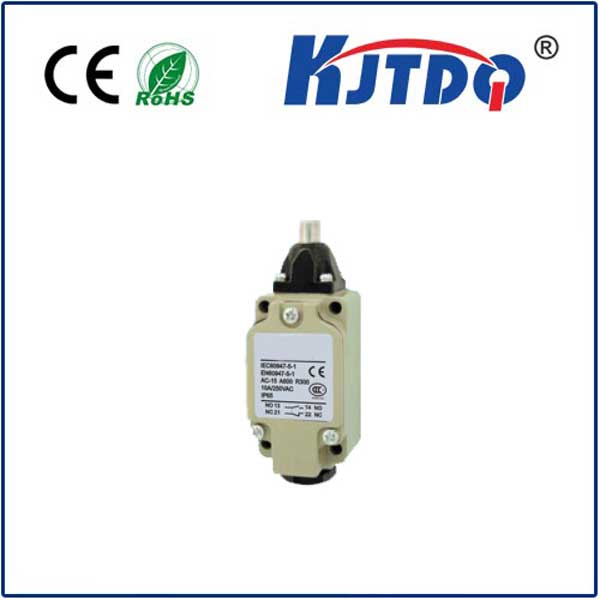
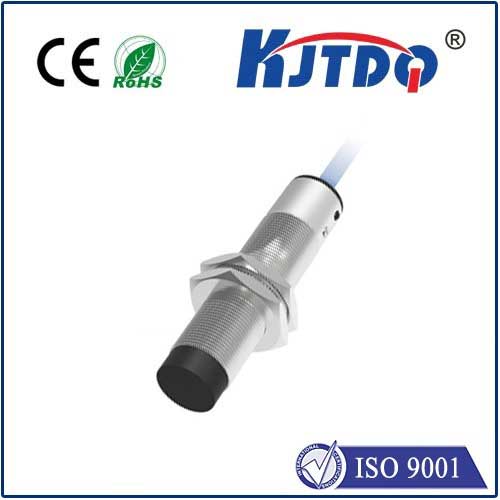
Various types of limit switches are employed in CNC machines, each suited to different environmental and operational demands. Basic mechanical limit switches, with lever or plunger actuators, are common for general-purpose applications due to their durability and straightforward design. In contrast, proximity limit switches, which operate without physical contact using magnetic or inductive sensing, are preferred in dusty or wet conditions where contamination might affect performance. For high-speed CNC operations, rotary limit switches provide precise angular positioning, crucial in lathes or rotary tables. The choice of switch depends on factors like machine speed, load capacity, and environmental resilience, with modern options often featuring sealed housings to withstand coolants, oils, and metal shavings prevalent in machining workshops.
Integrating a reliable limit switch into a CNC system yields multifaceted advantages. Primarily, it enhances safety by preventing mechanical overruns that could injure operators or damage equipment. In automated lines, this translates to reduced accident rates and lower insurance costs. Secondly, limit switches contribute to improved accuracy and repeatability. By defining exact stop points, they help maintain tight tolerances essential for industries like automotive or electronics, where even minor deviations can render parts unusable. Additionally, these switches aid in diagnostics and maintenance; when a limit is triggered unexpectedly, it can signal misalignment or wear, allowing for proactive repairs before major failures occur. This predictive capability minimizes unplanned downtime, boosting overall productivity and extending the machine's lifespan.
The evolution of limit switch technology has kept pace with advancements in CNC machinery. Today, many switches incorporate digital interfaces for seamless integration with PLCs (Programmable Logic Controllers) and CNC software, enabling real-time monitoring and adjustments. Smart limit switches with feedback features can communicate data on actuation counts or environmental conditions, facilitating Industry 4.0 initiatives like predictive analytics and IoT connectivity. When selecting a limit switch for a CNC machine, key considerations include actuation force, repeat accuracy, electrical rating, and IP (Ingress Protection) rating for durability. Regular inspection and calibration are recommended to ensure optimal performance, as worn switches may lead to false triggers or failures.
In conclusion, the limit switch for CNC machines is an indispensable component that underpins both safety and precision in automated manufacturing. By setting physical boundaries and providing critical feedback, it enables CNC systems to operate efficiently and reliably across diverse applications. As industries continue to embrace automation, the demand for robust, high-performance limit switches will only grow, driving innovations that further enhance machine control. For manufacturers seeking to optimize their CNC operations, investing in quality limit switches is not just a technical necessity but a strategic move toward greater productivity and risk mitigation.