Проверка
Проверка
Проверка
Проверка
Проверка
Проверка
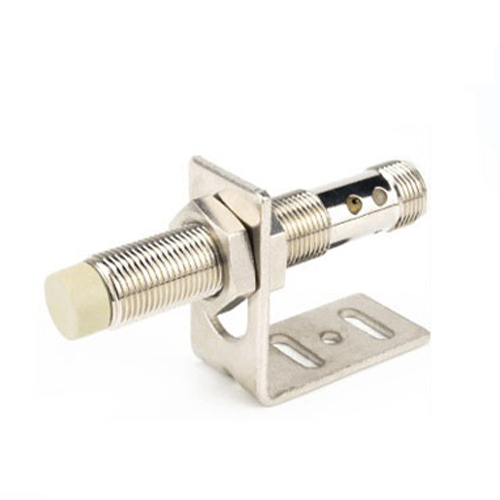
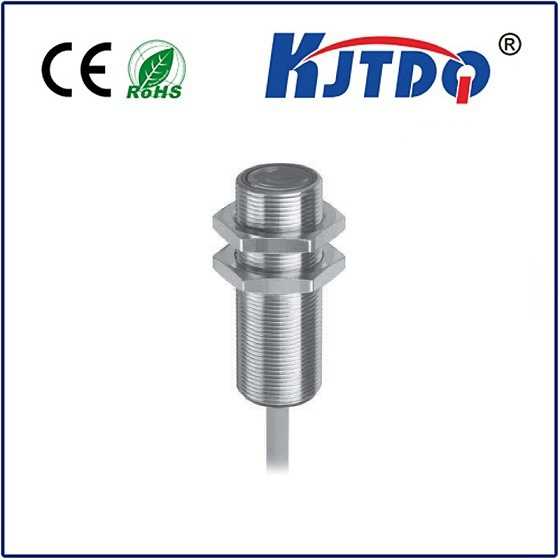
In today's fast-paced industrial automation landscape, space is often a premium. Engineers and system designers constantly face the challenge of integrating reliable sensing and control components into increasingly compact machinery and equipment. This is where the compact limit switch, particularly models like the KJTDQ series, becomes an indispensable tool. Unlike traditional bulky limit switches, these miniature powerhouses deliver uncompromised performance while occupying a fraction of the footprint, enabling smarter, denser, and more efficient machine designs.
The core advantage of a compact limit switch lies in its fundamental design philosophy: maximum functionality in minimal volume. The KJTDQ series exemplifies this by incorporating robust switching mechanisms, often with precision snap-action contacts, into a housing that can be as small as a fingertip. This miniaturization does not come at the cost of durability. These switches are typically built with high-grade engineering plastics or metal housings, offering significant resistance to environmental factors such as dust, moisture, oil mist, and mechanical impact. Many are rated with IP67 or higher ingress protection, ensuring reliable operation in harsh factory conditions. Their compact size allows for installation in locations previously deemed inaccessible—inside small enclosures, on narrow guide rails, or adjacent to other tightly packed components.
Precision is another hallmark of modern compact limit switches. The KJTDQ models are engineered for accurate and repeatable actuation. The actuator types are varied, including lever arms (with roller or plain styles), plungers, and whisker types, each designed for specific motion detection needs. The repeat accuracy is critical in applications like CNC machinery, packaging equipment, and automated assembly lines, where a switch must be triggered at the exact same point in a cycle, thousands of times per day. This reliability directly translates to consistent product quality, reduced downtime, and lower maintenance costs.
The electrical specifications of compact limit switches are tailored for diverse control circuits. Common configurations include SPDT (Single Pole Double Throw) or DPDT (Double Pole Double Throw) contacts, allowing them to handle a wide range of voltages and currents for both power and signal applications. They seamlessly interface with Programmable Logic Controllers (PLCs), relays, and other control systems. The KJTDQ series often features clear visual indicators, such as LED status lights, providing immediate feedback on the switch's state for easier troubleshooting and setup.
The application spectrum for compact limit switches is vast. They are pivotal in material handling for detecting the presence or end-of-travel of objects on conveyors. In robotics, they serve as reliable homing sensors or safety interlocks. The automotive industry utilizes them in welding fixtures and assembly jigs for position verification. Even in consumer electronics manufacturing, these switches ensure precise component placement. Their versatility makes them a universal component across sectors.
Selecting the right compact limit switch involves careful consideration of several factors. The operating environment dictates the required housing material and sealing rating. The type of motion (linear, rotary, lateral) determines the optimal actuator style. Electrical load requirements, including voltage, current, and whether the load is inductive or resistive, must match the switch's ratings. Finally, mechanical life expectancy—often rated in millions of operations—should align with the application's duty cycle. The KJTDQ series typically offers a range of options within these parameters, providing a tailored solution.
Installation and maintenance are straightforward due to the intelligent design of these components. Many feature standardized mounting holes or slots for easy integration. Pre-wired connectors or terminal block options simplify electrical connections. Regular maintenance usually involves simple visual inspections for physical damage and checking for secure mounting and connection integrity.
In conclusion, the evolution toward miniaturization and precision in industrial automation is inexorable. The compact limit switch, embodied by the KJTDQ series, is at the forefront of this trend. It solves the critical spatial constraints of modern equipment without sacrificing the robustness, accuracy, and reliability demanded by industrial applications. By enabling more compact and intelligent machine designs, these switches contribute significantly to enhanced productivity, operational efficiency, and overall system reliability. For any design engineer looking to optimize space and performance, specifying a high-quality compact limit switch is not just an option; it is a strategic decision for building better machines.