Проверка
Проверка
Проверка
Проверка
Проверка
Проверка
In the world of automated entry systems and industrial applications, the seamless operation of sliding doors is paramount. Whether it's the convenience of an automatic supermarket entrance, the critical access point in a cleanroom facility, or the smooth functionality of a high-end residential garage, one small component plays an outsized role in ensuring reliability and safety: the limit switch for sliding door. This guide delves into the function, importance, and selection criteria for this essential device, moving beyond basic definitions to explore its real-world impact.
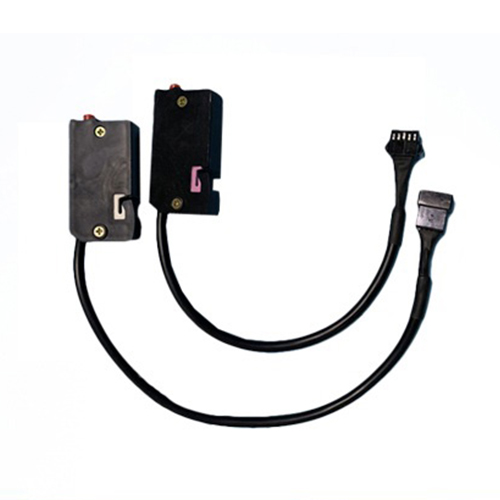
A limit switch for a sliding door is a precision electromechanical device installed to detect the physical presence or position of the door. It acts as the system's "eyes," sending a definitive signal to the control unit when the door reaches a predetermined open or closed position. This signal is the cornerstone of automated control. For instance, when the door slides fully open and contacts the "open" limit switch, the switch triggers, telling the motor to stop. Conversely, upon closing, the "closed" limit switch is engaged, halting the motor and often confirming a secure seal. Without these switches, a motor would either strain against its mechanical end or, worse, fail to stop, leading to potential damage, energy waste, and significant safety hazards.
The applications for these specialized limit switches are vast and varied. In commercial settings like airports, hospitals, and retail stores, they ensure doors open fully for accessibility and close securely for climate control and security. In industrial environments, such as on warehouse bay doors or manufacturing cell enclosures, heavy-duty limit switches manage larger, more frequent movements while withstanding dust, moisture, and vibration. For residential automated sliding gates or patio doors, they provide quiet, dependable operation day after day. The core benefits are universal: enhanced safety by preventing over-travel and entrapment, improved system longevity by preventing mechanical stress, and increased energy efficiency by ensuring doors are fully sealed when closed.
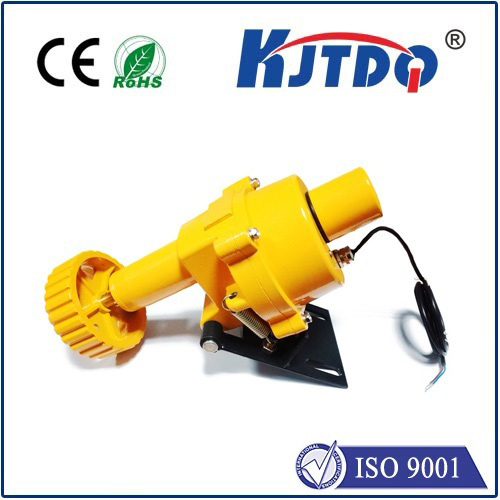
Selecting the right limit switch for your sliding door project is not a one-size-fits-all decision. Several critical factors must be evaluated. First is the actuator type—the physical part that makes contact with the door. Common types include roller lever actuators for smooth cam-based engagement or plunger actuators for direct linear pressure. The choice depends on the door's movement profile and mounting space. Next, consider the electrical ratings: the switch's voltage and current capacity must match or exceed the control circuit's requirements. Environmental protection, denoted by an IP (Ingress Protection) rating, is crucial. An outdoor gate will require a switch with a high IP rating (e.g., IP67) to resist rain and dust, while an indoor switch may suffice with a lower rating.
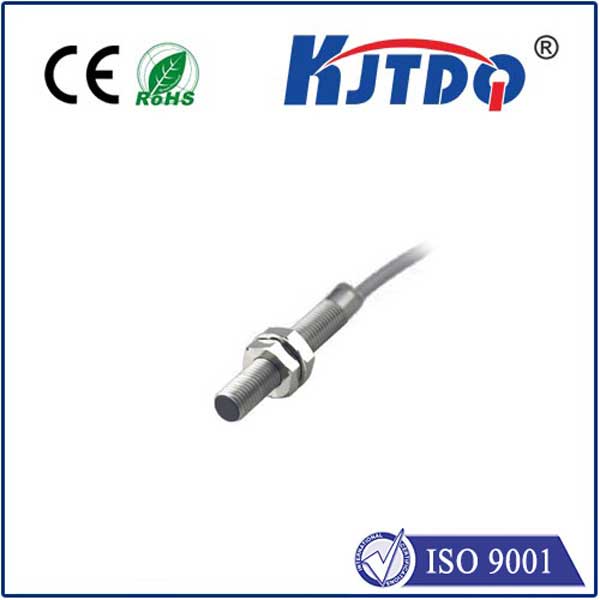
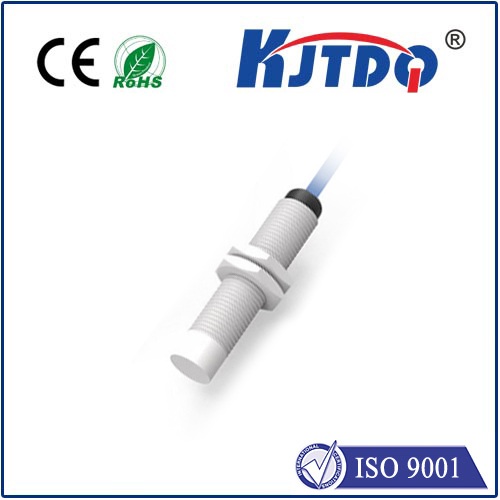
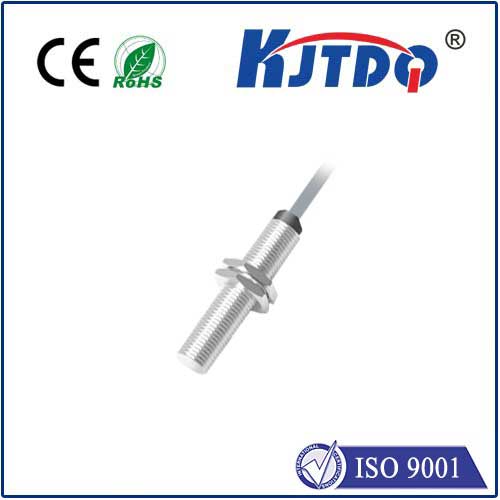
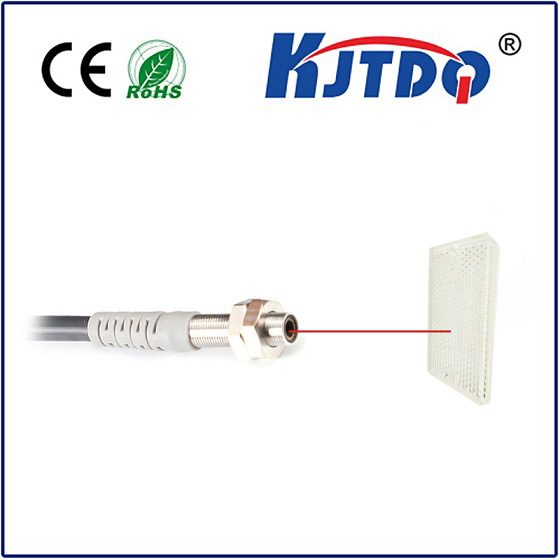
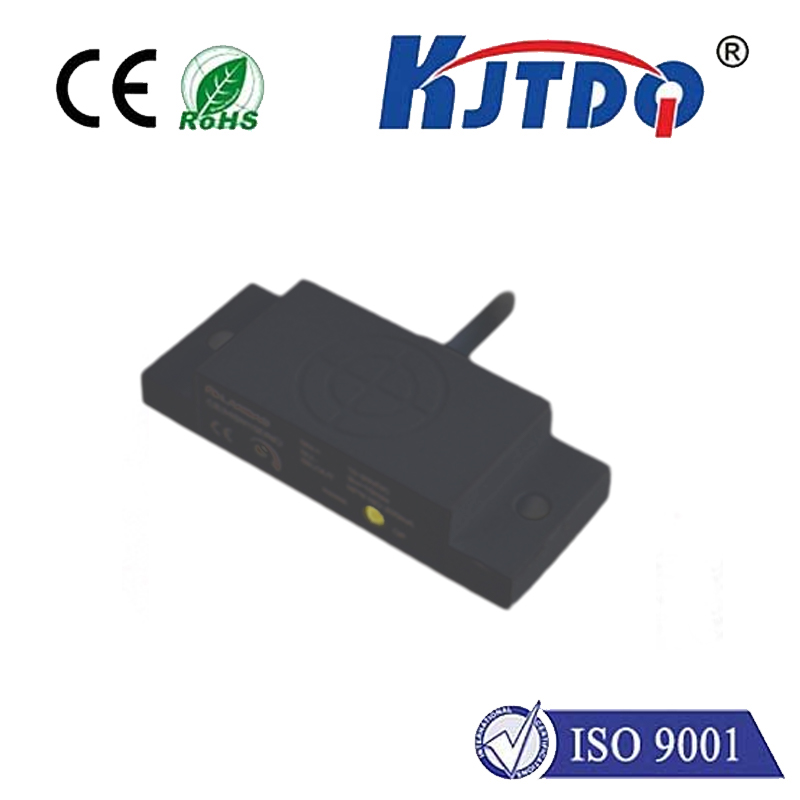
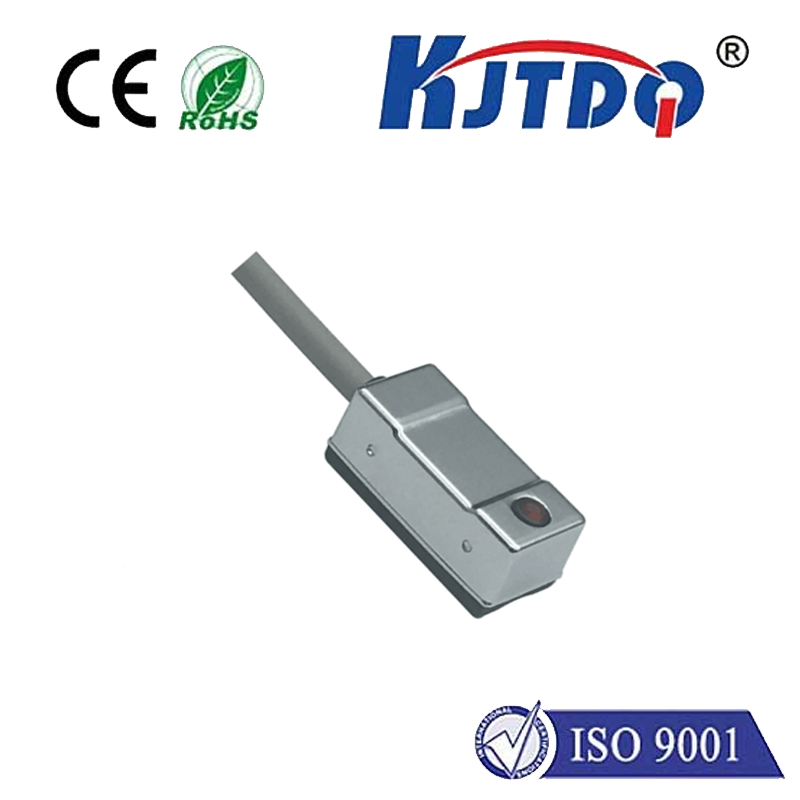
Durability, expressed in mechanical life (number of actuations), is another key specification. A busy supermarket door may cycle thousands of times daily, necessitating a switch rated for millions of operations. Finally, the output type matters. Traditional electromechanical switches offer simple on/off signals, while modern proximity sensors (a type of solid-state limit switch) provide non-contact detection using magnetic or inductive fields, offering even higher reliability with no moving parts to wear out. Proper installation and alignment are just as important as the product selection. A misaligned limit switch can cause inconsistent operation, premature failure, or unsafe conditions. It should be mounted securely on a stable surface, and its actuator must be positioned so the door engages it positively and consistently at the exact desired endpoint. Regular maintenance checks for loose mounting hardware, wear on the actuator, and clean electrical contacts can prevent unexpected downtime.
In conclusion, the humble limit switch for sliding door is a fundamental pillar of automated motion control. It is the critical interface between the physical movement of the door and the electronic brain that commands it. By providing precise positional feedback, it transforms a simple sliding mechanism into an intelligent, safe, and efficient system. Investing time in understanding its function and selecting a high-quality, appropriately specified switch is an investment in the long-term performance, safety, and reliability of any automated door application. From safeguarding pedestrians to optimizing logistical workflows, this component's role is indispensable, ensuring every slide, every cycle, ends exactly as intended.