In industrial automation and process control, the reliability of safety systems is paramount. Among the critical components ensuring operational integrity is the limit switch. Specifically, the Bray limit switch has established itself as a trusted solution for precise position detection and safety interlocking in demanding environments. This article delves into the functionality, applications, and key benefits of utilizing Bray limit switches in modern industrial setups.
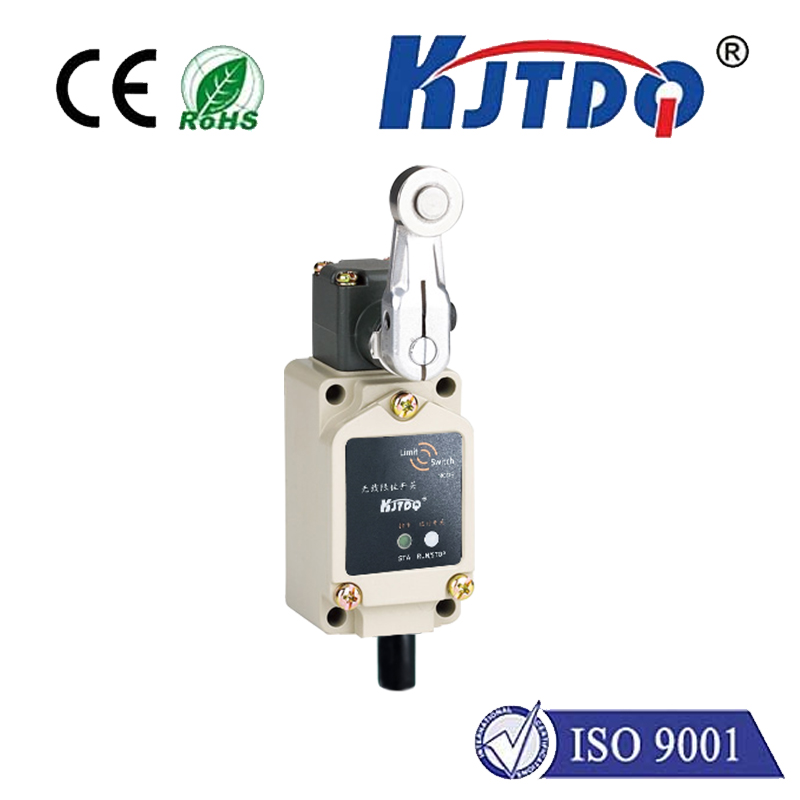
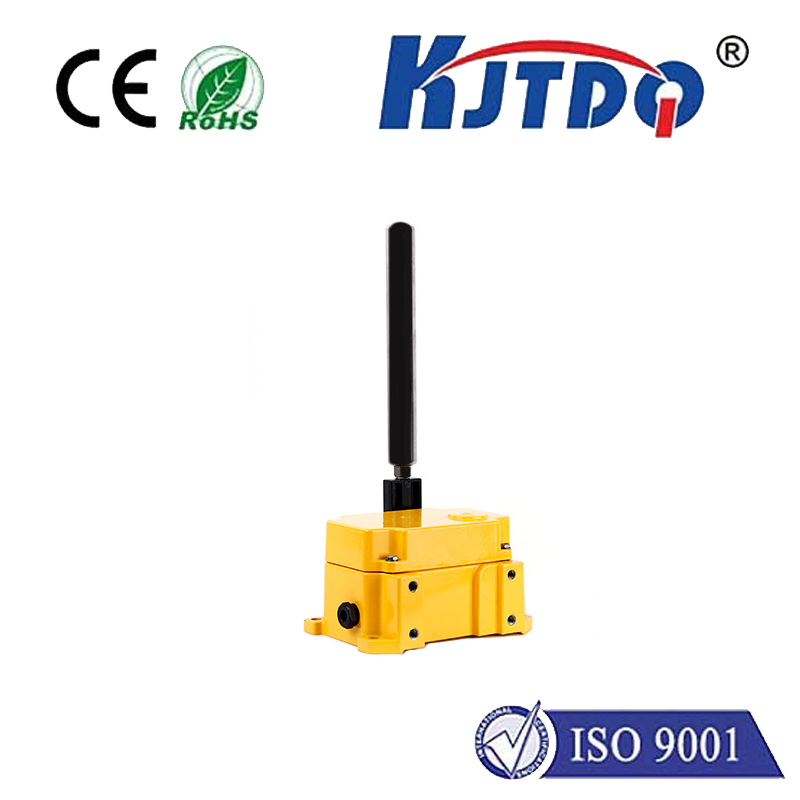
A limit switch is an electromechanical device designed to detect the presence or absence of an object, or to monitor the position of a machine part. The Bray limit switch builds upon this fundamental principle with enhanced durability and precision. Engineered for robustness, it typically consists of a rugged housing that protects an internal switching mechanism—often a snap-action switch—which is actuated by a lever, plunger, or rotary cam. When the target object makes contact with the actuator, it triggers a change in the electrical circuit, sending a signal to the control system to initiate, halt, or alter a process.
The core advantage of the Bray limit switch lies in its application versatility and resilience. These switches are commonly deployed in industries such as oil and gas, water treatment, mining, and manufacturing. For instance, on conveyor belts, they serve as end-of-travel sensors to prevent overrun and potential damage. In valve actuation systems, Bray limit switches provide precise feedback on whether a valve is fully open or closed, which is crucial for process control and safety protocols. Their robust construction allows them to perform reliably in harsh conditions involving extreme temperatures, moisture, dust, and corrosive substances, where less durable switches might fail.
Selecting the right limit switch involves considering several factors. The operating environment dictates the required ingress protection (IP) rating and material composition—stainless steel or epoxy-coated housings are common for corrosive or washdown areas. The type of actuator (lever, roller, fork, or plunger) must match the physical interaction with the target object. Electrical specifications, such as voltage, current rating, and contact configuration (normally open or normally closed), must align with the control system's requirements. Furthermore, compliance with international safety standards is non-negotiable for applications involving personnel safety or critical processes.
Installation and maintenance are straightforward but vital for long-term performance. Proper mounting ensures accurate and repeatable actuation. Regular inspection for physical damage, wear on the actuator, and cleanliness of contacts helps prevent unexpected downtime. Many Bray limit switches feature a manual override for testing and troubleshooting, which simplifies maintenance procedures. Their modular design in some models also allows for easy replacement of components without removing the entire unit from the mounting bracket.
Beyond basic position sensing, integrating Bray limit switches into a broader safety instrumented system (SIS) enhances overall plant safety. They act as primary devices in safety loops, providing the necessary input for emergency shutdown systems. Their fail-safe design principles ensure that in the event of a fault or loss of power, the system defaults to a safe state, mitigating risks to equipment and personnel.
In conclusion, the Bray limit switch represents more than just a simple sensor; it is a fundamental component for achieving operational safety, precision, and efficiency. Its proven design and adaptability make it an indispensable element across numerous industrial sectors. By providing reliable and unambiguous positional feedback, it empowers control systems to execute complex sequences safely, prevents costly machinery damage, and contributes to uninterrupted production flow. For engineers and system designers, specifying a high-quality limit switch like those from Bray is a strategic decision that underpins the reliability and safety of the entire automated process.