When your York furnace suddenly stops heating or begins cycling on and off erratically, a faulty component is often to blame. Among the most critical safety devices within your heating system is the furnace limit switch. This small but vital part plays a guardian role, protecting your unit from damage and your home from potential fire hazards. Understanding its function, recognizing the signs of failure, and knowing when to call a professional can save you from discomfort, costly repairs, and unsafe conditions.
The primary role of the York furnace limit switch is to monitor the temperature inside the heat exchanger. Think of it as a high-temperature sentinel. During normal operation, the furnace's blower fan turns on to push warm air through your ducts once the heat exchanger reaches a specific temperature. The limit switch is responsible for activating this fan. More importantly, it acts as a safety cutoff. If the temperature inside the exchanger climbs too high—a condition known as overheating—the switch will interrupt the circuit to the gas valve or ignition system, shutting the furnace down completely. This prevents the metal components from cracking, which could lead to dangerous carbon monoxide leaks, and stops the system from becoming a fire risk.
Several symptoms can indicate a problematic limit switch. The most common is short cycling, where the furnace turns on for a few minutes, then shuts off before completing a full heating cycle, only to restart again shortly after. This is often the switch reacting to perceived overheating. Conversely, if the blower fan never turns on, you might have warm air at the vents initially, but then the furnace will shut down on a safety lockout. You may also notice that the fan runs continuously, even when the furnace isn't actively heating, which could point to a switch stuck in the "on" position. A complete failure to start, where the furnace doesn't respond to the thermostat's call for heat, can also be traced back to an open limit switch circuit. Before assuming the switch is bad, check that all air filters are clean and all supply vents are open, as restricted airflow is the most frequent cause of limit switch trips.
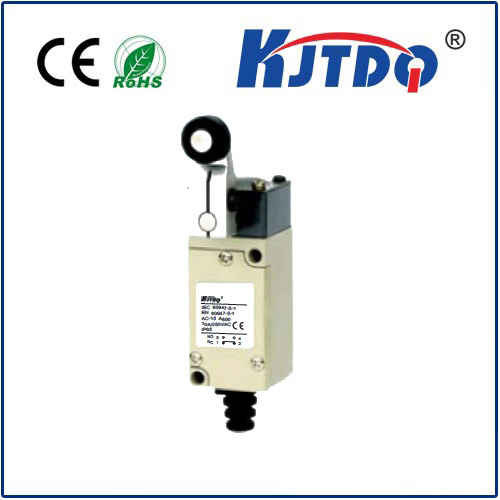
Replacing a York furnace limit switch is a task that requires caution and technical knowledge. Always turn off the electrical power and the gas supply to the furnace before inspecting or touching any internal components. The switch is typically located near the heat exchanger or on the blower compartment. It is a small, rectangular metal or plastic device with a temperature-sensing probe. After ensuring the unit is powered down, you would disconnect the wiring (noting the terminal positions), remove the mounting screws, and install the exact replacement part. It is crucial to use the OEM (Original Equipment Manufacturer) part or a certified compatible switch specified for your exact York furnace model. Using an incorrect switch with the wrong temperature rating can lead to improper operation and safety hazards.
While a knowledgeable homeowner may attempt this replacement, several factors make professional HVAC technician service highly recommended. A technician can accurately diagnose whether the switch itself has failed or if its tripping is a symptom of a larger issue, such as a dirty filter, failing blower motor, cracked heat exchanger, or improper gas pressure. They have the tools to test the switch's continuity and operation safely. Furthermore, tampering with safety devices on a gas appliance can void warranties and, if done incorrectly, create serious safety risks. A professional ensures the repair is done correctly, safely, and in compliance with local codes, restoring your furnace's efficiency and, most importantly, its safe operation.
Regular maintenance is the best defense against limit switch problems. Scheduling an annual professional tune-up before each heating season allows a technician to clean components, check airflow, test safety controls like the limit switch, and ensure all systems are operating within safe parameters. Homeowners should commit to changing air filters every 1-3 months, depending on usage and filter type, and keep all registers unobstructed. A well-maintained furnace experiences less strain, operates more efficiently, and is far less likely to trigger its safety limits, ensuring reliable warmth throughout the winter.