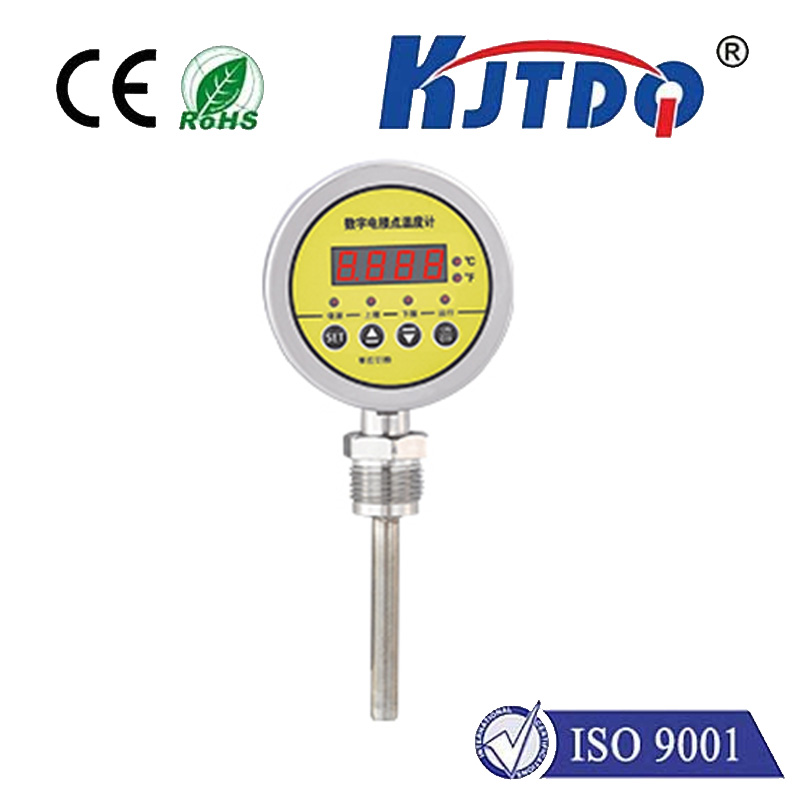
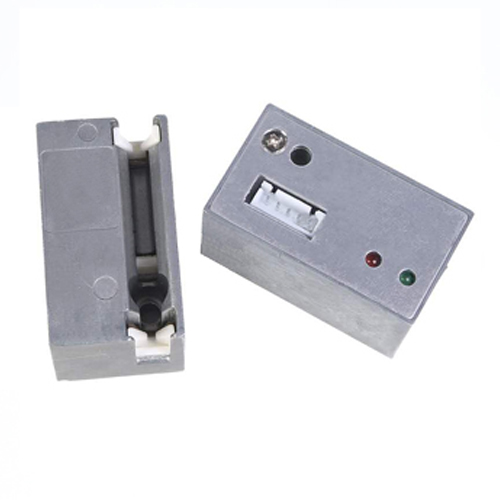
Boiler limit control stands as a critical component in modern hydronic heating systems, acting as the primary guardian against overheating and ensuring operational safety. This sophisticated device, often a high-limit aquastat, continuously monitors the boiler water temperature. When the temperature climbs to a predetermined setpoint—typically around 200°F to 220°F for residential systems—the control interrupts the circuit to the burner or heat source, shutting it down. This prevents the boiler from reaching dangerously high temperatures that could cause pressure relief valve discharge, system damage, or even catastrophic failure.
The importance of a properly functioning limit control cannot be overstated. Beyond safety, it plays a pivotal role in system efficiency and longevity. By preventing excessive short-cycling—where the boiler turns on and off too frequently—the control reduces wear on key components like the burner, pump, and ignition system. This not only extends the equipment's lifespan but also conserves energy. A boiler that operates within its ideal temperature band consumes less fuel. Furthermore, the limit control often works in tandem with an operating or circulator control. While the limit control acts as a safety shut-off, the operating control dictates when the boiler fires to maintain the desired water temperature for space heating or domestic hot water production.
Several factors can influence the performance and setting of a boiler limit control. System design is paramount; the control must be calibrated for the specific boiler model and the heat emitters (like radiators or baseboards) in the building. Water quality is another crucial aspect. Mineral scale buildup on the boiler's heat exchanger can insulate the temperature sensor, causing inaccurate readings and potentially leading to the control failing to trip at the correct temperature. Regular maintenance, including annual inspections by a qualified technician, is essential. The technician will verify the control's calibration, check for proper sensor placement and contact, and ensure it trips and resets correctly.
Common issues with boiler limit controls often manifest as system malfunctions. A frequent problem is a control that trips too often or "nuisance trips." This can be caused by a faulty sensor, poor water flow due to a failing circulator pump, or air trapped in the system. Conversely, a control that fails to trip at the setpoint poses a serious safety risk and requires immediate attention. This could indicate a stuck relay, a shorted circuit, or a completely failed control unit. In such cases, professional diagnosis and replacement are mandatory. Modern advancements have introduced digital limit controls with enhanced features like diagnostic LEDs, adjustable differentials, and communication capabilities for integration with building management systems, offering greater precision and reliability.
For homeowners and facility managers, understanding the role of the boiler limit control is key to proactive system management. Listening for unusual short-cycling, monitoring boiler temperature gauges if available, and scheduling consistent professional maintenance are the best practices. Never attempt to bypass or manually override a limit control, as this eliminates a vital safety barrier. Investing in a high-quality control and ensuring its proper function is a small price for safety, efficiency, and peace of mind. A well-maintained boiler system with a responsive limit control operates quietly, reliably, and cost-effectively, delivering consistent comfort through the coldest seasons.