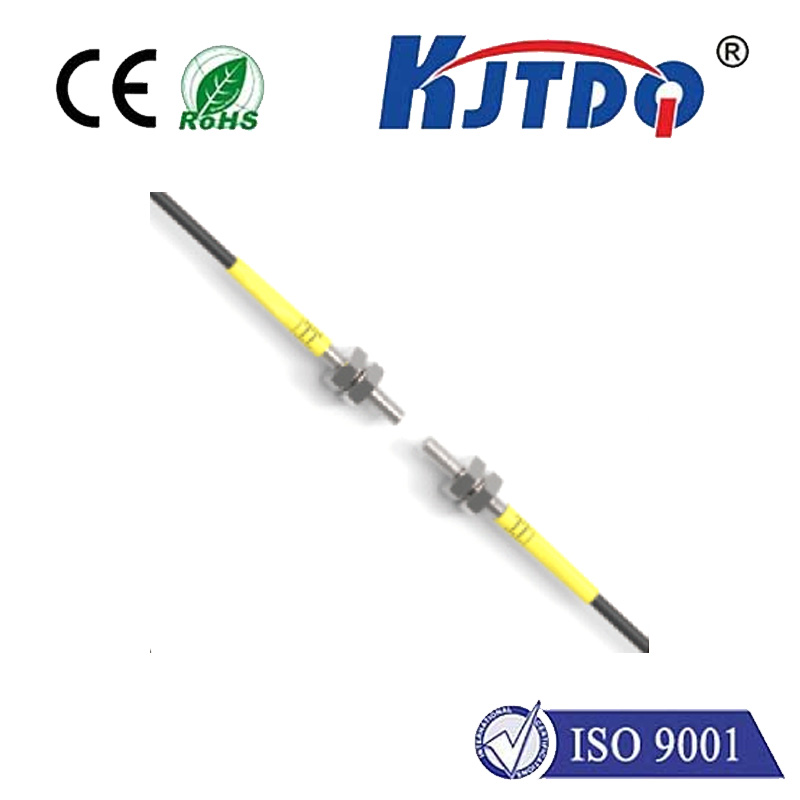
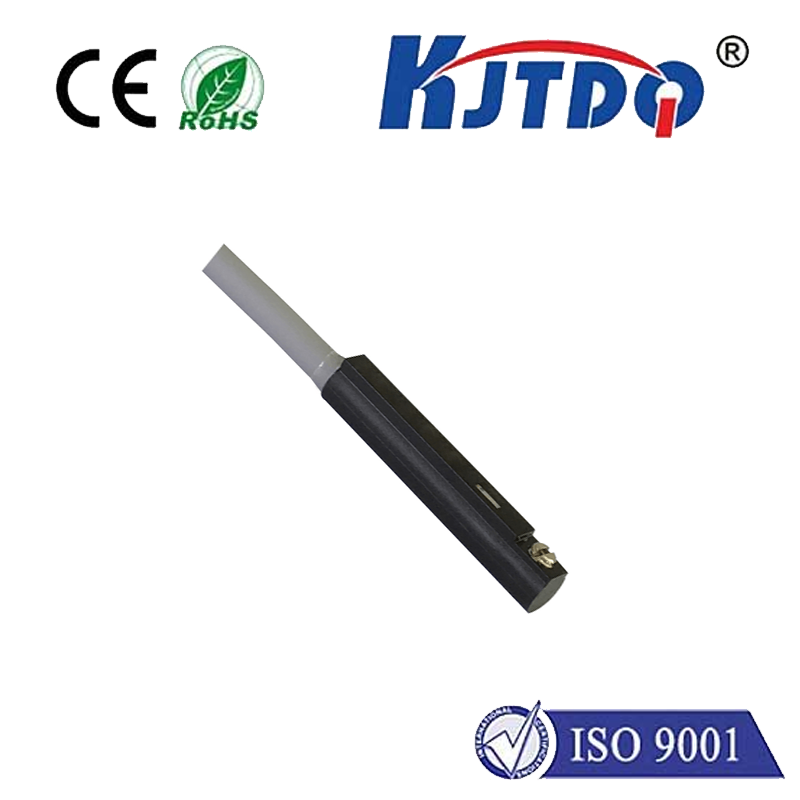
In industrial settings where flammable gases, vapors, or combustible dusts are present, safety is not just a priority—it is an absolute necessity. Equipment failure or a simple spark can lead to catastrophic events. This is where specialized components like the intrinsically safe limit switch come into play, designed to operate reliably without ever becoming a source of ignition. The KJTDQ series of intrinsically safe limit switches represents a critical advancement in this field, offering robust performance where it matters most.
An intrinsically safe limit switch is a type of position-sensing device engineered to be safe for use in hazardous locations. The core principle of intrinsic safety is to limit the electrical and thermal energy within the device to levels that are too low to ignite a specific hazardous atmospheric mixture. This is achieved through meticulous design that controls voltage, current, and overall circuit energy. Unlike explosion-proof enclosures that contain any potential blast, intrinsically safe devices prevent an explosion from occurring in the first place. This makes them a preferred choice for many applications, particularly where maintenance must be performed on live equipment or where small, low-power devices are needed.
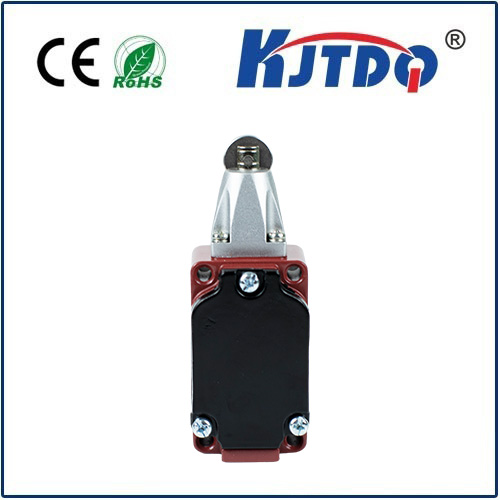
The KJTDQ intrinsically safe limit switch is built to meet rigorous international standards for such environments, including those from ATEX, IECEx, and UL. Its construction typically involves rugged, corrosion-resistant housings, often made from materials like stainless steel or brass, to withstand harsh industrial conditions. The internal switching mechanism is designed with energy-limiting barriers, ensuring that even in the event of a fault, the energy discharged is insufficient to cause ignition. These switches are commonly used to detect the position of valves, doors, machine guards, and conveyor systems in industries such as oil and gas, chemical processing, pharmaceuticals, mining, and grain handling.
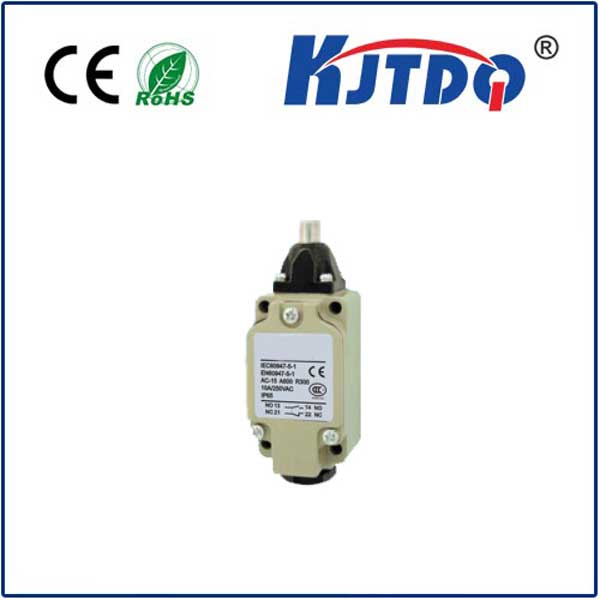
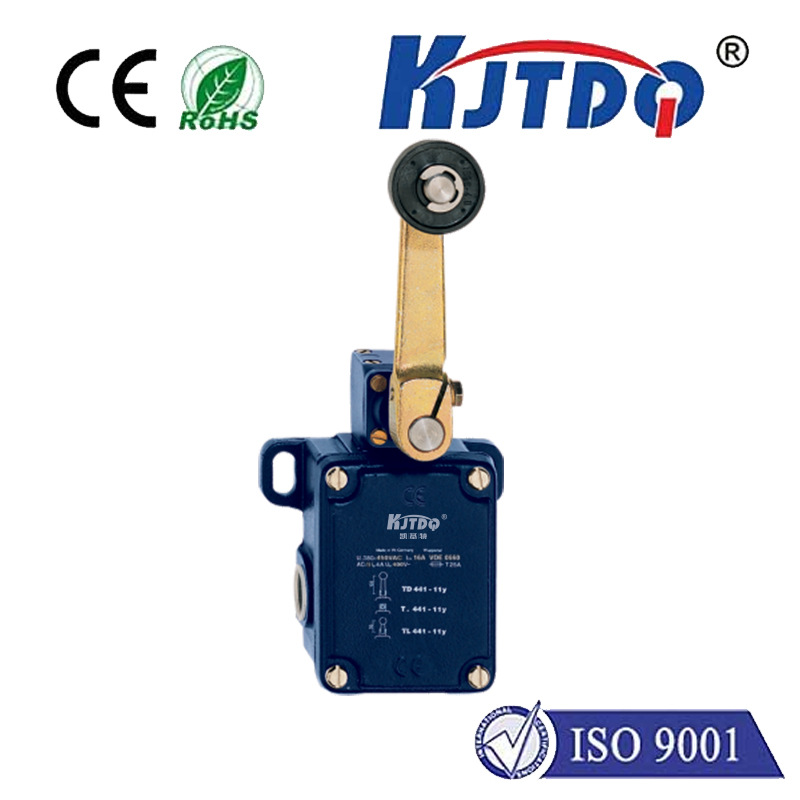
One of the key advantages of the KJTDQ design is its versatility. It can be configured in various actuation forms—roller lever, plunger, or whisker—to suit different mechanical interfaces. Furthermore, it offers multiple electrical output options, including simple SPST/SPDT contacts or solid-state outputs compatible with programmable logic controllers (PLCs). This flexibility allows for seamless integration into complex safety instrumented systems (SIS) and automated control loops. Reliability is paramount, and the KJTDQ switch is tested for millions of operational cycles, ensuring long service life with minimal downtime.
Installation and maintenance of these switches are also streamlined for safety and efficiency. Their design often allows for easy adjustment and replacement without requiring a full shutdown of the process or a hot work permit, which is a significant operational and safety benefit. Technicians can work on the circuits with confidence, knowing the intrinsic safety design protects them and the facility. When selecting a KJTDQ switch, engineers must consider factors such as the specific hazardous area classification (Zone/Division, gas group, temperature class), the required switching capacity, environmental protection (IP/NEMA rating), and the mechanical load it will endure.
In conclusion, in the high-stakes world of hazardous area operations, relying on standard electrical components is an unacceptable risk. The intrinsically safe limit switch, exemplified by the KJTDQ series, provides a fundamental layer of protection. It enables precise mechanical control and position feedback while inherently ensuring that its operation never compromises the safety of the environment. By choosing certified and well-engineered solutions like KJTDQ, industries can protect their most valuable assets: their personnel, their infrastructure, and their continuity of operations. Investing in such safety technology is not merely a regulatory compliance issue; it is a cornerstone of responsible and sustainable industrial practice.