Проверка
Проверка
Проверка
Проверка
Проверка
Проверка
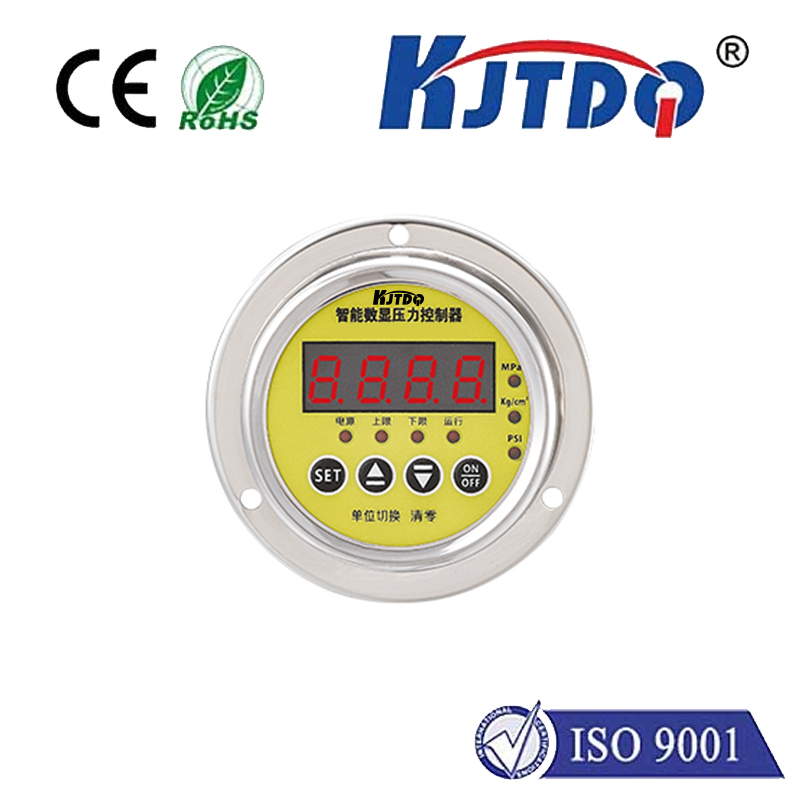
In industrial automation and process control, ensuring system safety and operational efficiency is paramount. Among the critical components that safeguard equipment and personnel is the pressure limit switch. This device serves as a vigilant guardian, monitoring pressure levels within systems and triggering actions when predefined thresholds are crossed. Unlike basic pressure gauges that merely display readings, a pressure limit switch actively intervenes to prevent potential hazards such as overpressure conditions, which could lead to equipment failure, leaks, or even catastrophic accidents.
The fundamental operation of a pressure limit switch revolves around its sensing mechanism. Typically, it consists of a pressure-sensing element—like a diaphragm, piston, or bourdon tube—connected to an electrical switching assembly. When the system pressure reaches the set limit, the sensing element moves, actuating the switch to either open or close an electrical circuit. This action can immediately halt a pump, activate an alarm, or initiate a shutdown sequence, thereby maintaining pressure within safe operating parameters. Industries ranging from oil and gas to water treatment and manufacturing rely on these switches to protect compressors, boilers, hydraulic systems, and pipelines.
Selecting the appropriate pressure limit switch requires careful consideration of several factors. Key specifications include the pressure range, set point accuracy, switch type (e.g., mechanical or electronic), and environmental conditions such as temperature, vibration, and exposure to corrosive substances. Mechanical switches, known for their durability and simplicity, are often preferred in harsh environments, while electronic versions offer higher precision and programmability for complex applications. Installation best practices involve proper calibration, regular testing, and integration with control systems to ensure reliable performance.
Common challenges with pressure limit switches include drift in set points due to wear, contamination of sensing elements, or electrical contact issues. To mitigate these, routine maintenance—such as cleaning, inspection, and recalibration—is essential. Modern advancements have introduced features like digital displays, wireless connectivity, and self-diagnostic capabilities, enhancing usability and reducing downtime. By understanding these aspects, engineers and technicians can optimize system safety and longevity.
In conclusion, pressure limit switches are indispensable in industrial settings, providing a critical layer of protection against pressure-related risks. Their role in preventing equipment damage and ensuring operational continuity cannot be overstated. As technology evolves, these devices continue to become more intelligent and adaptable, meeting the growing demands of automated processes. For any facility dealing with pressurized systems, investing in high-quality pressure limit switches and adhering to maintenance protocols is a proactive step toward safety and efficiency.