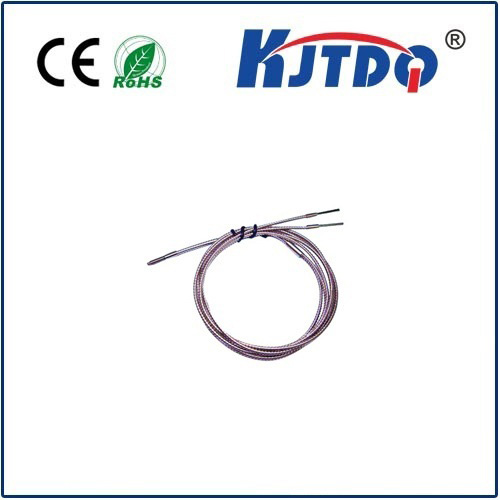
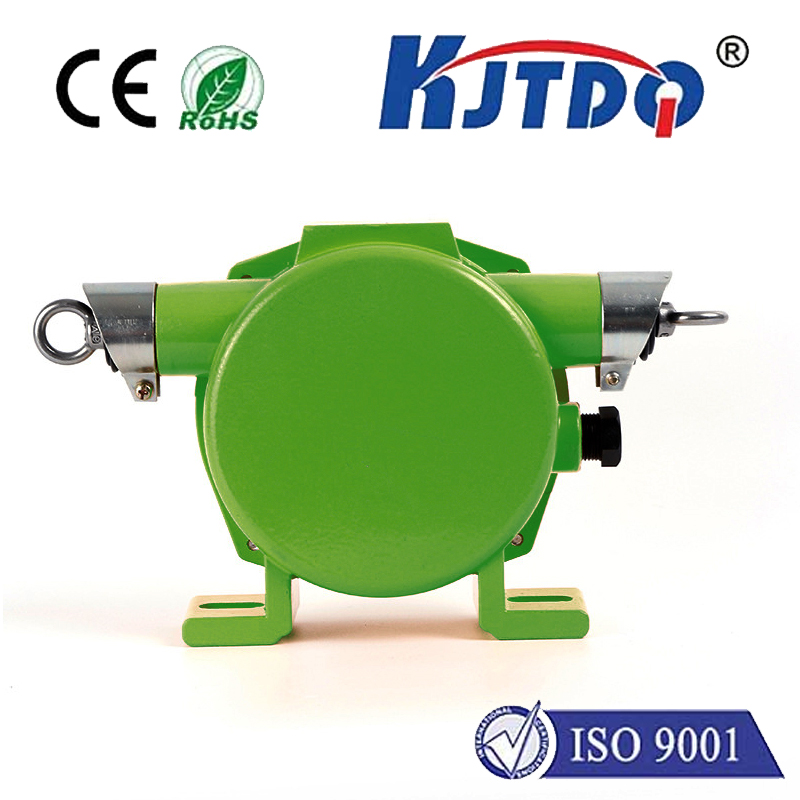
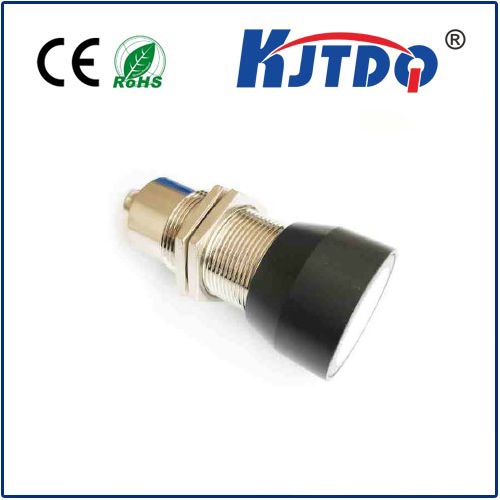
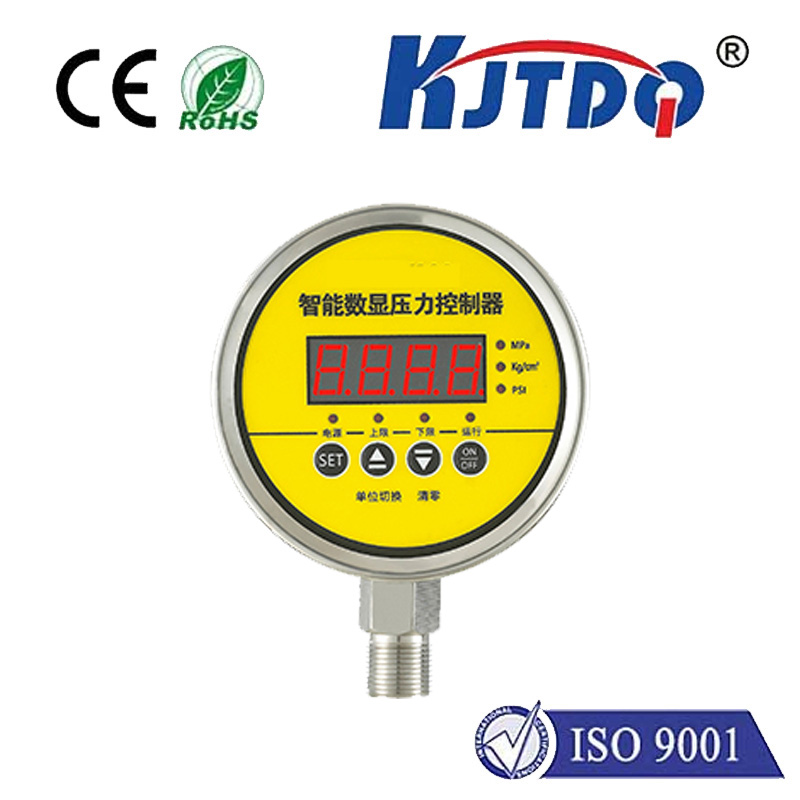
In modern industrial automation systems, precision and reliability are paramount. Pneumatic controls limit switches play a crucial role in ensuring seamless operations by providing accurate position sensing and control for pneumatic actuators. These devices serve as the critical interface between mechanical movement and control systems, offering a robust solution for various applications across manufacturing, packaging, and material handling industries.
Pneumatic controls limit switches function by detecting the position of a pneumatic cylinder piston or actuator. When the actuator reaches a predetermined point, the limit switch is triggered, sending an electrical signal to the control system. This signal can initiate subsequent actions, such as stopping movement, reversing direction, or activating another part of the process. The integration of these switches with pneumatic systems creates a synergistic relationship where compressed air provides the power, and the limit switches deliver the necessary control intelligence.
The design of pneumatic limit switches emphasizes durability and environmental resistance. Many models feature rugged housings that protect internal components from dust, moisture, oils, and mechanical impacts commonly encountered in industrial settings. This robust construction ensures consistent performance even in challenging conditions, reducing downtime and maintenance requirements. Manufacturers have developed various configurations, including roller lever, plunger, and whisker types, each suited to specific mounting arrangements and actuation methods.
One significant advantage of pneumatic controls limit switches is their simplicity and reliability. Unlike more complex electronic sensors, these mechanical-electrical devices offer straightforward installation and troubleshooting. Their operation doesn't require sophisticated programming or calibration, making them accessible to maintenance personnel with varying technical backgrounds. This simplicity translates to reduced training costs and quicker implementation in existing systems.
Energy efficiency represents another benefit of incorporating pneumatic limit switches into automation designs. By precisely controlling actuator movements, these devices help optimize compressed air consumption. Unnecessary cylinder overtravel is eliminated, reducing both energy waste and mechanical stress on components. This precision contributes to overall system efficiency while extending the service life of pneumatic equipment.
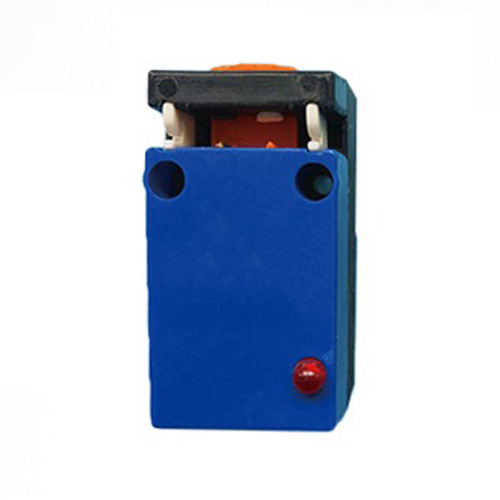
The versatility of pneumatic limit switches allows for integration with diverse control architectures. They can interface with traditional relay-based systems, programmable logic controllers (PLCs), and modern industrial networks. This compatibility ensures that these switches remain relevant even as facilities upgrade their control infrastructure. Many contemporary models include LED indicators for visual status monitoring and quick diagnostics, further enhancing their utility in automated environments.
Safety considerations are integral to pneumatic limit switch applications. By providing reliable position feedback, these devices help implement safety interlocks and prevent hazardous machine movements. In automated machinery, proper limit switch installation can inhibit operation when guards are open or when components are outside their safe working zones. This functionality contributes to compliance with international safety standards and regulations governing industrial equipment.
Installation best practices for pneumatic controls limit switches involve careful consideration of mounting position, actuator alignment, and electrical connections. Proper adjustment of the switching point ensures accurate detection without causing excessive mechanical stress on the switch mechanism. Regular maintenance, including cleaning of actuation surfaces and verification of electrical continuity, helps maintain optimal performance throughout the device's service life.
Technological advancements continue to enhance pneumatic limit switch capabilities. Modern designs incorporate improved sealing techniques for better environmental protection, while materials innovation has produced contacts with higher electrical ratings and longer operational lifetimes. Some manufacturers now offer switches with multiple output configurations or adjustable switching delays, providing engineers with greater flexibility in system design.
The economic justification for implementing pneumatic controls limit switches extends beyond their initial purchase price. Their contribution to reduced downtime, lower energy consumption, and decreased maintenance costs creates a compelling return on investment. When selecting these components, engineers evaluate factors including switching capacity, electrical requirements, mechanical life expectancy, and environmental ratings to ensure optimal matching with application demands.
As industries increasingly embrace Industry 4.0 concepts, pneumatic limit switches maintain their relevance through adaptability. While smart sensors and IIoT devices gain prominence, the fundamental reliability of mechanical limit switches ensures their continued use in critical positioning applications. Their proven track record in countless industrial installations establishes them as trusted components in automation architectures ranging from simple machines to complex production lines.
The future development of pneumatic controls limit switches will likely focus on enhanced connectivity features and improved diagnostic capabilities. Integration with digital communication protocols may provide additional operational data while maintaining the mechanical reliability that defines these devices. Regardless of technological evolution, the core function of providing precise position feedback in pneumatic systems will remain essential to industrial automation efficiency.