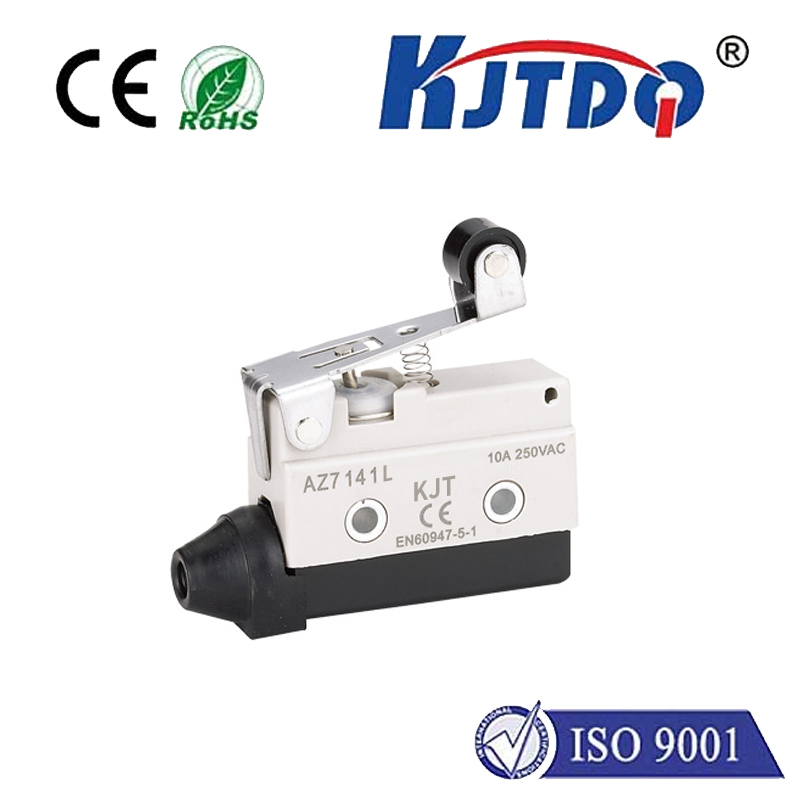
In the world of industrial automation, precision, reliability, and durability are non-negotiable. Among the myriad components that ensure seamless operations, the limit switch magnetic stands out as a critical player. This device, often overlooked, is the silent guardian of machinery, providing essential control and safety functions. Understanding its role, functionality, and selection criteria is paramount for engineers, maintenance professionals, and procurement specialists aiming to optimize system performance and minimize downtime.
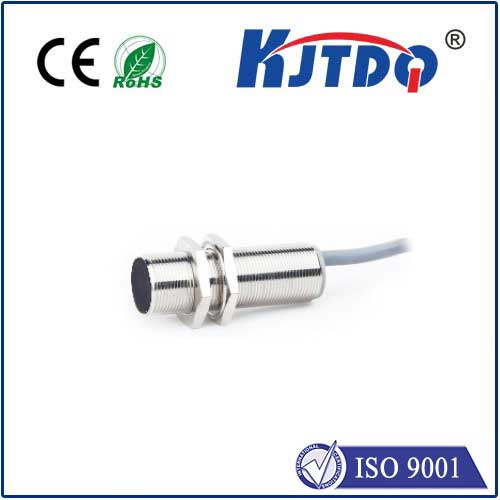
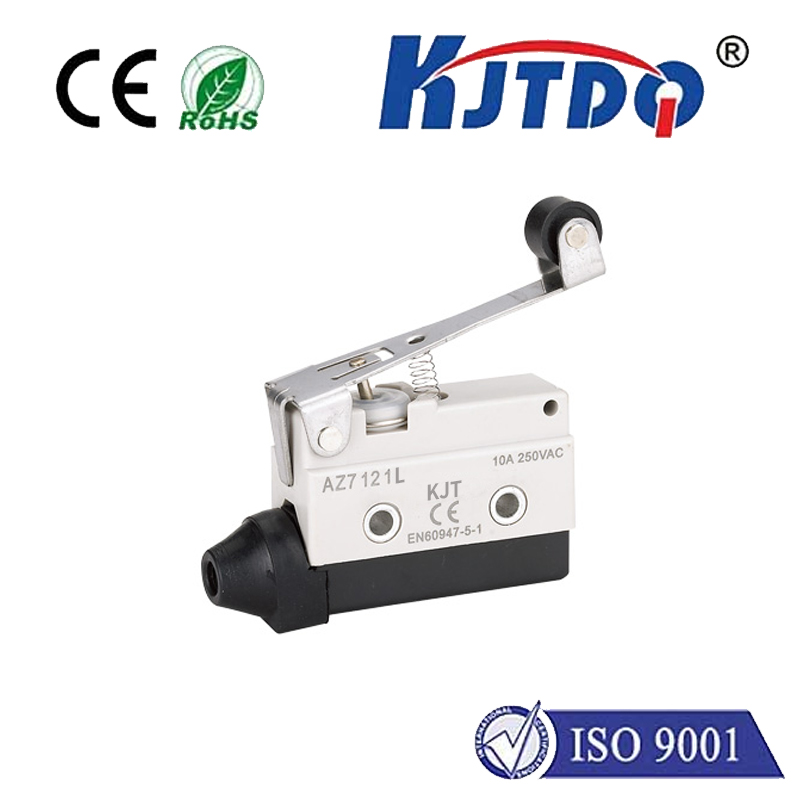
A limit switch magnetic is a type of position sensor. It detects the presence or absence of an object, typically a metal target, through the use of a magnetic field. Unlike traditional mechanical limit switches that require physical contact, magnetic versions operate via a non-contact principle. The core assembly usually consists of two main parts: a magnetic actuator (often a permanent magnet) attached to the moving part of a machine, and a sealed switch body containing a reed switch or a solid-state sensor, fixed to a stationary frame. When the actuator comes within a specific proximity to the switch, the magnetic field triggers the internal contacts to change state—either opening or closing an electrical circuit. This signal is then used to control machine functions, such as stopping a motor, reversing direction, initiating a sequence, or providing a positional feedback to a Programmable Logic Controller (PLC).
The advantages of opting for a magnetic limit switch are substantial and address common pain points in harsh industrial environments. First and foremost is their exceptional reliability. Being hermetically sealed, the switch body is completely isolated from external contaminants like dust, dirt, oil, coolant, and moisture. This makes them ideal for applications in food processing, packaging, metalworking, and outdoor equipment where exposure is inevitable. The non-contact operation eliminates mechanical wear and tear associated with physical levers and plungers, leading to a significantly longer operational lifespan—often millions of cycles. This translates directly into reduced maintenance costs and fewer unplanned stoppages. Furthermore, their simple, robust design allows for easy installation and setup. They are generally insensitive to vibration and can operate across a wide temperature range, providing consistent performance where other sensors might fail.
When selecting a limit switch magnetic for a specific application, several key parameters must be carefully evaluated. The sensing distance, or operating point, is crucial. It defines how close the actuator must be to reliably trigger the switch. Engineers must consider the machine's tolerances and movement patterns to ensure consistent actuation without false triggers. The electrical ratings, including switching current and voltage (AC or DC), must be compatible with the control circuit. Environmental factors are also critical; checking the Ingress Protection (IP) rating, such as IP67 or IP69K, confirms the switch's resilience against dust and water jets. The housing material, typically stainless steel or rugged thermoplastics, should withstand chemical exposure and physical impact. For safety-critical functions, like monitoring guard doors or emergency stop positions, choosing a switch with a positive-opening, force-guided relay contact design might be necessary to meet safety standards like ISO 13849.
Real-world applications of magnetic limit switches are vast and varied. In automated assembly lines, they are used to verify the position of robotic arms or the presence of a workpiece on a conveyor. In hydraulic and pneumatic cylinders, they provide precise end-of-stroke detection, preventing damage from over-travel. They are indispensable in material handling systems, such as cranes and elevators, for overhead travel limit control. Within machine tools, they ensure moving tables or spindles do not exceed their programmed boundaries. Their sealed nature makes them perfect for washdown areas in pharmaceutical or beverage industries. By providing a simple, binary signal, they form the foundational layer of feedback for more complex automation systems.
Despite their robustness, optimal performance hinges on correct installation and occasional verification. The switch and actuator should be mounted securely to prevent misalignment due to vibration. The sensing face should be kept clean of any metallic debris that could interfere with the magnetic field. While maintenance is minimal, periodic functional checks are recommended as part of a preventive maintenance schedule to ensure the switch activates at the correct point and the electrical connections remain sound.
In conclusion, the limit switch magnetic is a cornerstone of modern industrial control, offering a blend of simplicity, ruggedness, and unwavering reliability. Its non-contact, sealed design solves persistent problems in demanding environments, safeguarding equipment and ensuring continuous production flow. For anyone involved in designing, maintaining, or upgrading automated machinery, a deep understanding of this component is not just beneficial—it is essential for achieving peak operational efficiency and long-term cost savings. By making an informed selection based on application needs, professionals can leverage this powerful tool to build more resilient and intelligent automation systems.