In the intricate world of industrial automation and electronic device design, the demand for reliable, precise, and space-efficient components is paramount. Among these critical components, the photoelectric 5mm sensor stands out as a versatile and powerful solution for a myriad of detection and measurement tasks. Its compact 5mm form factor belies its significant capabilities, making it an indispensable tool for engineers and designers seeking to enhance system performance and reliability.
The fundamental principle behind a photoelectric 5mm sensor is elegantly simple yet profoundly effective. It operates by emitting a beam of light, typically from an LED, and then detecting changes in the received light intensity. These changes are caused by the presence, absence, or specific characteristics of a target object interrupting or reflecting the light beam. The 5mm designation refers to the sensor's housing or lens diameter, indicating its small, standardized size, which allows for easy integration into tight spaces without compromising on functionality. This miniaturization is a key driver in modern electronics, enabling more sophisticated designs in consumer gadgets, medical instruments, and compact machinery.
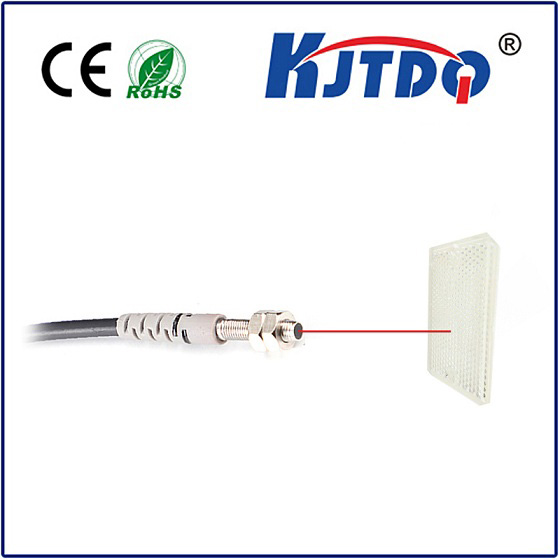
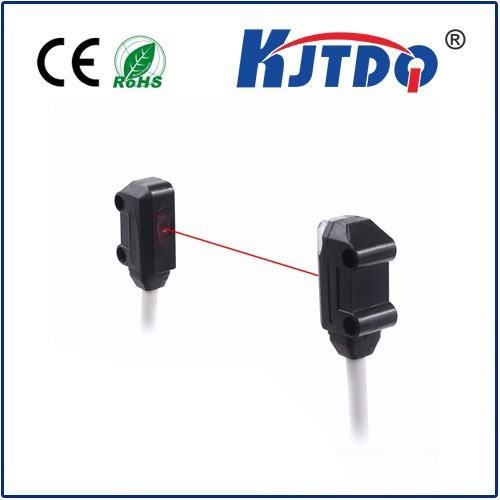
There are several primary operating modes for these sensors, each suited to different applications. The through-beam type, consisting of separate emitter and receiver units, offers the longest sensing range and highest reliability, ideal for detecting opaque objects on assembly lines. The retro-reflective type uses a single unit and a reflector, providing a good balance of range and ease of installation for medium-distance tasks. Finally, the diffuse-reflective type, where the sensor both emits and receives light reflected directly from the target, is perfect for detecting objects at close range or those with varying surface properties. The 5mm sensor is available in all these configurations, offering designers flexibility.
The applications for a photoelectric 5mm sensor are vast and cross multiple industries. In automated manufacturing, they are the eyes of the system, used for precise object counting, jam detection in conveyor belts, and verifying the correct positioning of components. Within consumer electronics, these sensors enable touchless interfaces, paper detection in printers, and slot mechanisms. The automotive sector relies on them for fluid level sensing, gear position detection, and safety interlock systems. Their immunity to non-metallic materials, fast response time, and non-contact nature make them superior to mechanical switches in many scenarios, reducing wear and tear and increasing system longevity.
Selecting the right photoelectric 5mm sensor requires careful consideration of several technical parameters. Sensing range is crucial; while 5mm sensors are generally for short to medium ranges, specific models vary. The light source color—red, green, infrared, or laser—affects detection accuracy for different colored or transparent materials. Output type is another key decision: NPN or PNP transistor outputs for compatibility with PLCs, or analog outputs for distance measurement. Environmental robustness is also vital; look for sensors with an IP67 rating or higher to ensure reliable operation in dusty, humid, or washdown conditions common in industrial settings.
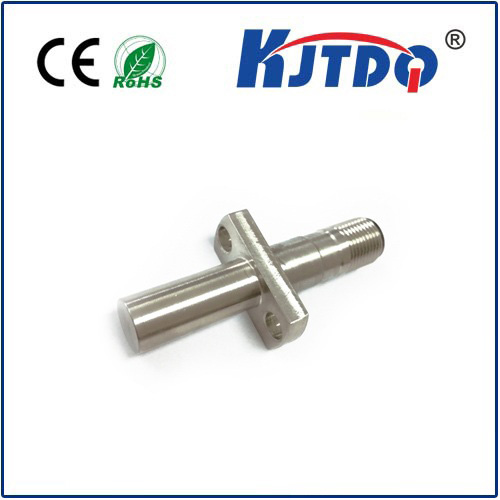
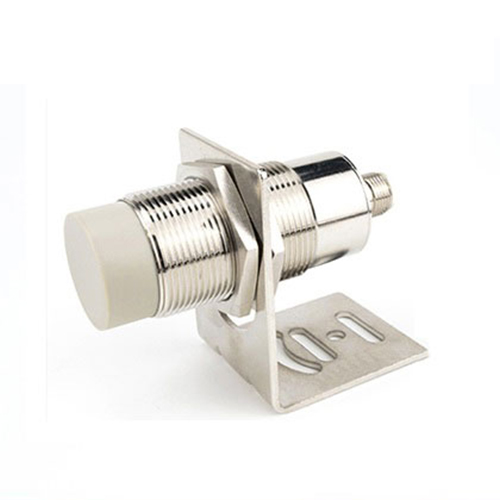
Integration and maintenance are straightforward. These sensors typically feature a threaded barrel for easy mounting and come with pre-wired cables or quick-disconnect connectors. Proper alignment during installation is essential for optimal performance, especially for through-beam types. Regular maintenance involves simply keeping the lens clean from dust, oil, or debris that could scatter or block the light beam, ensuring consistent and accurate readings over time. Their solid-state design means there are no moving parts to fail, contributing to exceptionally high mean time between failures (MTBF).
Looking ahead, the evolution of the photoelectric 5mm sensor continues. Advancements include integrated background suppression for ignoring distant objects, higher switching frequencies for ultra-high-speed lines, and enhanced connectivity for Industry 4.0 applications, allowing for predictive maintenance and data collection. These innovations ensure that this compact component remains at the forefront of sensing technology.
In conclusion, the photoelectric 5mm sensor is a testament to the principle that great things come in small packages. Its ability to provide accurate, non-contact detection in a miniature footprint solves countless design and operational challenges. For any project demanding reliable sensing within spatial constraints, specifying a high-quality photoelectric 5mm sensor is a strategic decision that directly contributes to the efficiency, intelligence, and durability of the final system.