Проверка
Проверка
Проверка
Проверка
Проверка
Проверка
In industrial automation and machinery control, precision, reliability, and safety are non-negotiable. Among the myriad of components that ensure these standards, the 3 way limit switch stands out as a critical device for monitoring and controlling the position or movement of equipment. This versatile switch, often referred to as a three-position limit switch, plays a fundamental role in preventing over-travel, initiating sequential operations, and providing essential feedback within control systems.
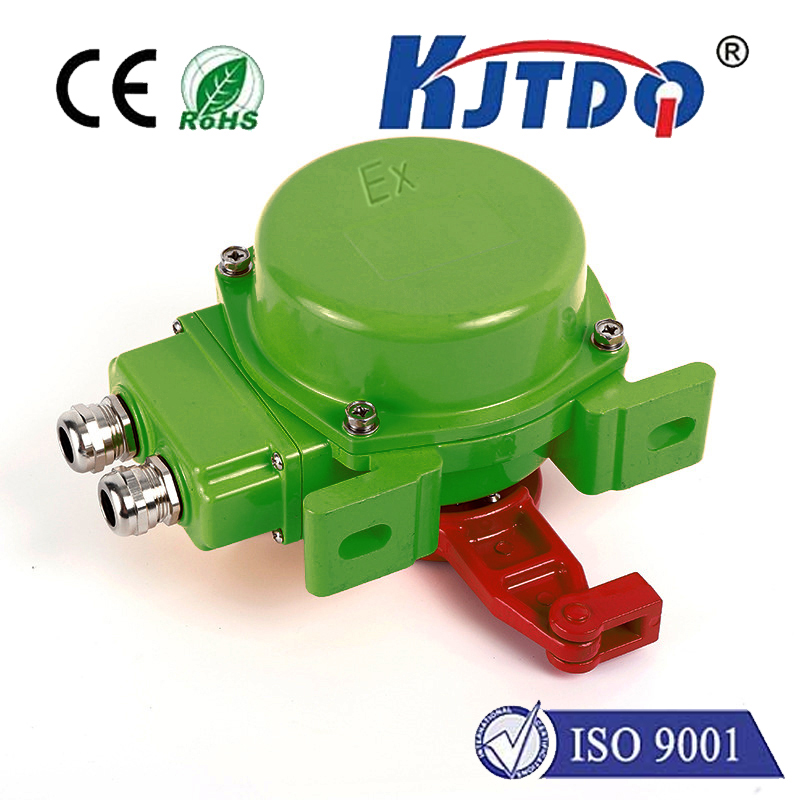
A 3 way limit switch is essentially an electromechanical device equipped with an actuator mechanism—such as a lever, roller, or plunger—that is physically triggered by the motion of a machine part. Unlike simple on/off switches, its defining feature is the three distinct electrical states or switching configurations it can achieve. Typically, these states are Common (C), Normally Open (NO), and Normally Closed (NC). The actuator's position determines which circuit is completed or broken. For instance, in one position, the connection between C and NO is made; in another, between C and NC; and in a neutral or resting position, a specific state is maintained. This tri-state functionality allows for more complex control logic than a standard two-position switch.
The applications for 3 way limit switches are extensive across various industries. In manufacturing, they are indispensable on assembly lines, robotic arms, and conveyor systems. They can be used to signal when a robotic arm has fully retracted, when a workpiece is correctly positioned for the next operation, or to stop a conveyor belt at precise locations for loading and unloading. In material handling equipment like cranes and hoists, these switches act as crucial safety devices, preventing the hook or platform from traveling beyond its safe upper and lower limits, thereby avoiding potential damage or accidents. The automotive industry relies on them in automated welding and painting systems to ensure consistent and repeatable movements.
The benefits of integrating a 3 way limit switch into a control system are substantial. First and foremost is enhanced safety. By providing definitive signals at predetermined points, they help create hard stops and interlocks that protect both machinery and personnel. Secondly, they improve operational precision and repeatability, which is vital for maintaining product quality and process efficiency. Their robust construction, often designed to withstand harsh environments involving dust, moisture, vibration, and extreme temperatures, ensures long-term durability and reduced maintenance needs. Furthermore, their simple electromechanical principle makes them highly reliable and easy to troubleshoot compared to some purely electronic sensors.
When selecting a 3 way limit switch for a specific application, several key factors must be considered. The electrical rating (voltage and current capacity) must match the control circuit requirements. The mechanical durability, including the actuator type and the housing's Ingress Protection (IP) rating, should be suited to the operational environment. The precision of actuation, often defined by repeat accuracy and operating force, is critical for high-precision tasks. Finally, physical mounting options and compatibility with existing system architecture are practical concerns that influence the final choice.
Installation and maintenance are straightforward but require attention to detail. The switch must be mounted securely and aligned correctly so that the moving machine part engages the actuator accurately and consistently without causing undue stress or impact. Regular inspection for physical wear on the actuator, checking for loose connections, and testing the electrical continuity in all three states are part of a proactive maintenance routine that ensures uninterrupted performance.
In conclusion, the 3 way limit switch is a foundational component in modern industrial automation. Its ability to provide three distinct control signals based on mechanical position makes it a flexible and reliable solution for ensuring safety, enabling precise control, and facilitating complex machine sequences. From safeguarding heavy machinery to enabling delicate automated processes, this switch remains a trusted workhorse on the factory floor. Understanding its function, benefits, and proper application is key for engineers and technicians aiming to design and maintain efficient, safe, and reliable control systems.
SEO Keywords:3 way limit switch, industrial limit switch, safety switch, automation control, electromechanical switch
SEO Description:A comprehensive guide to the 3 way limit switch, explaining its function, tri-state operation, key applications in industrial automation for safety and precision control, and factors for selection and maintenance.