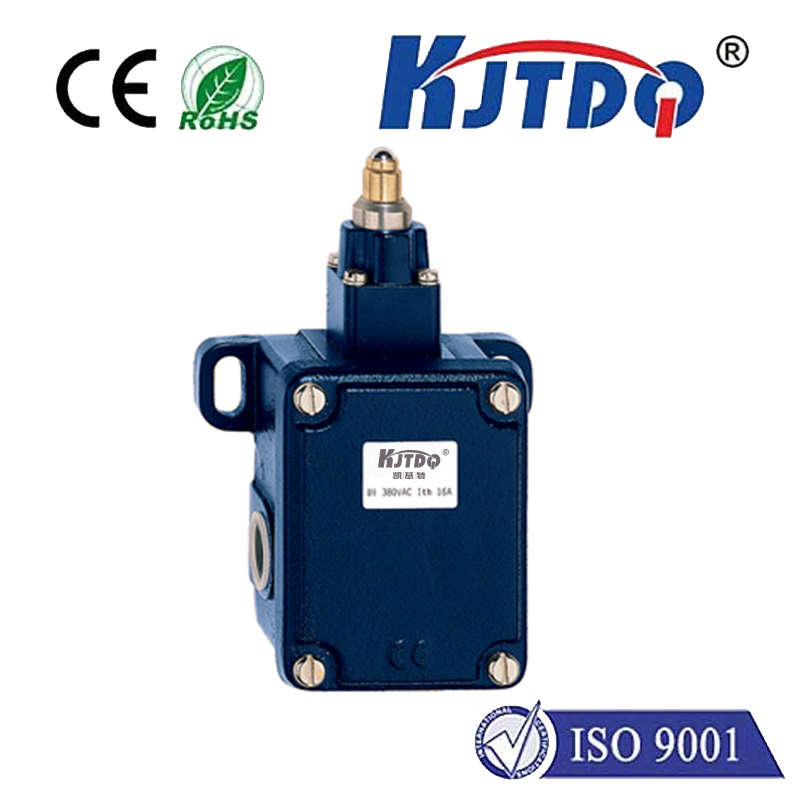
In the intricate world of industrial machinery and automated systems, countless components work in silent harmony to ensure precision, safety, and efficiency. Among these unsung heroes is a fundamental device known as the limit switch. While its name might sound simple, its function is anything but trivial. A limit switch is a critical electromechanical device designed to detect the presence or absence of an object, or to monitor the movement limits of a machine part. It acts as a sentinel, providing a definitive signal to a control system when a predetermined physical limit is reached.
At its core, a limit switch operates on a straightforward principle. It consists of an actuator mechanism—which could be a lever, roller, plunger, or whisker—linked to a set of electrical contacts. When an external object, such as a moving part of a machine, comes into contact with the actuator, it triggers the switch. This action either opens or closes the electrical contacts, thereby sending a clear "on" or "off" signal to the programmable logic controller (PLC) or other control unit. This signal is the crucial piece of information that dictates the next action in a sequence: stopping a motor, reversing direction, initiating a new process, or activating a safety protocol.
The applications of limit switches are vast and varied, spanning numerous industries. In manufacturing assembly lines, they are used to confirm the position of robotic arms or to ensure a workpiece is correctly located before a machining operation begins. Within packaging machinery, they detect when a product is in place for sealing or labeling. In material handling, such as on conveyor systems, limit switches monitor the endpoints of travel to prevent overrun and potential damage. Perhaps one of their most vital roles is in elevator systems, where they provide precise floor-level positioning and ensure the doors open and close safely. Their robustness and reliability make them indispensable in harsh environments where more sophisticated sensors might falter.
Several key characteristics define the performance and suitability of a limit switch for a specific task. The first is the actuator type. A roller lever switch is ideal for detecting the passage of objects with a cam or edge, while a plunger-type is suited for direct, linear pressure. Environmental protection, denoted by an IP (Ingress Protection) rating, is another critical factor. Switches used in dusty, wet, or corrosive conditions require high IP ratings to ensure longevity and consistent operation. Electrical ratings, including voltage and current capacity, must match the control circuit requirements. Furthermore, mechanical life—the number of actuations a switch can endure—and repeat accuracy are paramount for high-cycle applications.
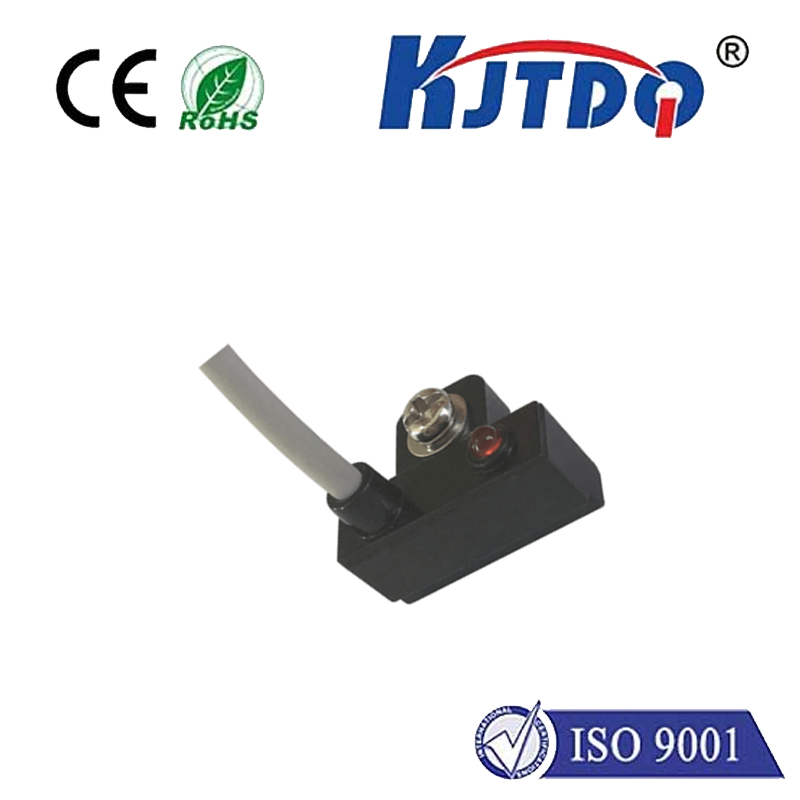
When comparing limit switches to other sensing technologies like proximity sensors or photoelectric sensors, the distinction often lies in the method of detection. Proximity sensors detect objects without physical contact using magnetic or capacitive fields, while photoelectric sensors use light beams. The limit switch, however, relies on direct physical contact. This "positive" mechanical actuation is often considered a strength, as it provides a definitive, tangible confirmation of an object's position. It is generally less susceptible to environmental interference like dust, steam, or electrical noise that can affect non-contact sensors. While it may have a shorter operational life due to mechanical wear, its simplicity, cost-effectiveness, and reliability in providing a hard-wired signal make it a perennial favorite for many basic yet critical positioning tasks.
Selecting the right limit switch requires careful consideration of the application's demands. Engineers must evaluate the required force for actuation, the speed of the moving part, the environmental conditions, and the necessary electrical specifications. Proper installation is equally important; the switch must be mounted securely and aligned correctly to ensure consistent and accurate triggering. Regular maintenance, including checking for mechanical wear on the actuator and ensuring tight electrical connections, is essential to prevent unexpected downtime and maintain system safety.
In conclusion, the humble limit switch remains a cornerstone of industrial control. Its design elegantly translates a simple physical event into a decisive electrical command. From safeguarding heavy machinery to enabling precise automated sequences, the limit switch is a testament to the enduring power of reliable, straightforward engineering solutions. As automation continues to evolve, this fundamental device will undoubtedly continue to play a vital role in the seamless and safe operation of systems worldwide, proving that sometimes, the most effective solutions are those that perform their singular duty with unwavering consistency.