In the demanding world of industrial material handling, the efficiency and safety of operations hinge on the reliability of every component. Among these, the Electric Overhead Traveling (EOT) crane stands as a workhorse in workshops, warehouses, and construction sites. Its seamless movement along the runway beam is critical for lifting and transporting heavy loads. However, this movement must be precisely controlled to prevent over-travel, which can lead to catastrophic collisions, equipment damage, or severe safety incidents. This is where the specialized rotary limit switch for EOT crane becomes an indispensable guardian of operational integrity.
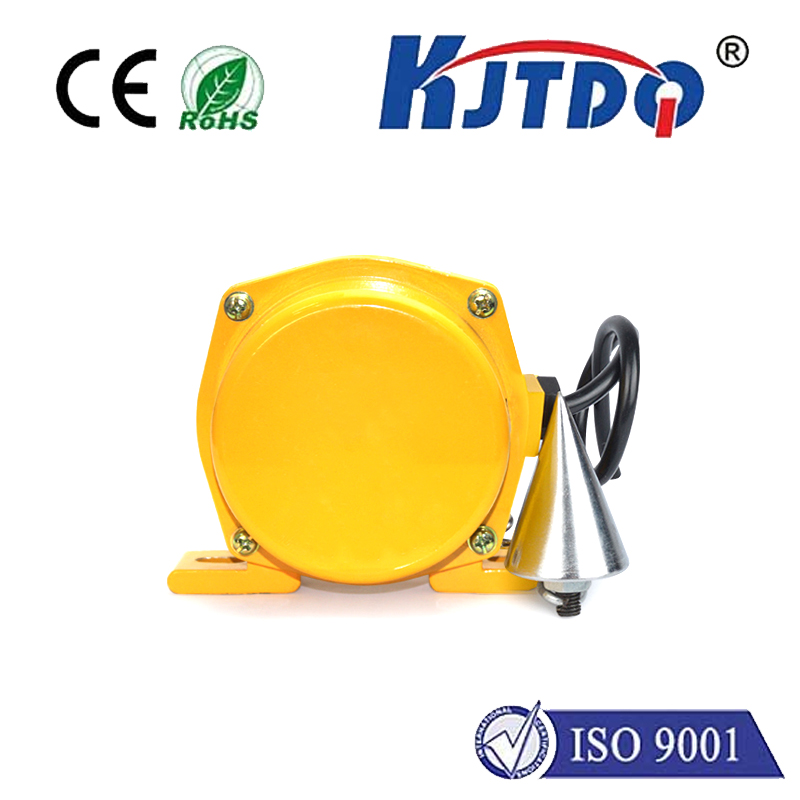
Unlike simple on/off switches, a rotary limit switch is a precision electromechanical device designed to monitor and control the crane's travel distance. It is mechanically linked to the crane's motion, typically through a chain, gear, or cable drive system. As the crane moves, this linkage rotates a shaft within the switch. The switch housing contains multiple cam-operated microswitches, each of which can be independently adjusted to activate at specific rotational positions. These positions correspond to precise physical locations along the crane's runway. When the crane approaches a predefined limit—such as the end of the track or a specific zone for loading—the rotating cams trigger the corresponding microswitch. This action sends a signal to the crane's control system to cut power to the travel motor, initiating a controlled stop or activating an alarm before the mechanical end stop is reached.
The application of a rotary limit switch for EOT crane systems delivers a multitude of benefits that directly impact productivity and safety. Primarily, it provides absolute position control. By setting hard limits at both ends of the runway, it acts as a fail-safe to prevent the crane from running off its rails. Furthermore, intermediate limit points can be programmed for in-process operations, such as signaling the crane to slow down as it nears a workstation or to stop automatically at multiple pickup and drop-off points. This automation enhances operational consistency, reduces reliance on operator judgment for repetitive tasks, and minimizes cycle times. From a safety perspective, it is a critical component in risk management strategies, helping to comply with stringent industrial safety standards like OSHA or ISO regulations by preventing over-travel accidents.
Selecting the right rotary limit switch requires careful consideration of several factors to match the specific demands of the EOT crane application. The first is environmental durability. These switches are often exposed to dust, moisture, oil, and extreme temperatures. Therefore, models with robust, corrosion-resistant enclosures (often rated IP65, IP66, or higher) are essential for longevity. The number of cam-operated switches, or "poles," is another key specification. A basic setup might require two poles for forward and reverse end limits, while complex automation sequences may need switches with eight or more poles for multi-stage control. The mechanical connection method—whether chain, gear, or cable—must be compatible with the crane's drive mechanism and provide an accurate 1:1 or a scaled ratio of travel to switch rotation. Finally, the electrical ratings of the contacts must handle the crane control circuit's voltage and current without failure.
Proper installation and diligent maintenance are paramount to ensure the rotary limit switch performs reliably throughout its service life. Installation must ensure precise alignment and a secure mechanical linkage to avoid slippage or false readings. The initial setting of the cam positions is a meticulous process, often done using calibration marks on the switch body to correspond with the crane's physical travel limits. Regular maintenance schedules should include visual inspections for physical damage, checking the tightness of mechanical linkages, and verifying the operational accuracy of the limit positions. Periodically testing the switch's function by manually running the crane toward a limit to confirm it stops as programmed is a recommended best practice. Keeping the switch and its linkage clean from debris buildup also prevents malfunctions.
In conclusion, the rotary limit switch is far more than a simple accessory for an EOT crane; it is a fundamental component for engineered safety and controlled automation. By providing reliable, mechanical-based position feedback, it forms the first and most crucial layer of defense against over-travel hazards. Investing in a high-quality rotary limit switch designed specifically for heavy-duty crane applications, and ensuring its correct installation and upkeep, directly contributes to protecting valuable assets, optimizing workflow efficiency, and, most importantly, safeguarding personnel. For any operation relying on EOT cranes, integrating and maintaining this precise control device is a non-negotiable aspect of professional and responsible material handling.