Проверка
Проверка
Проверка
Проверка
Проверка
Проверка
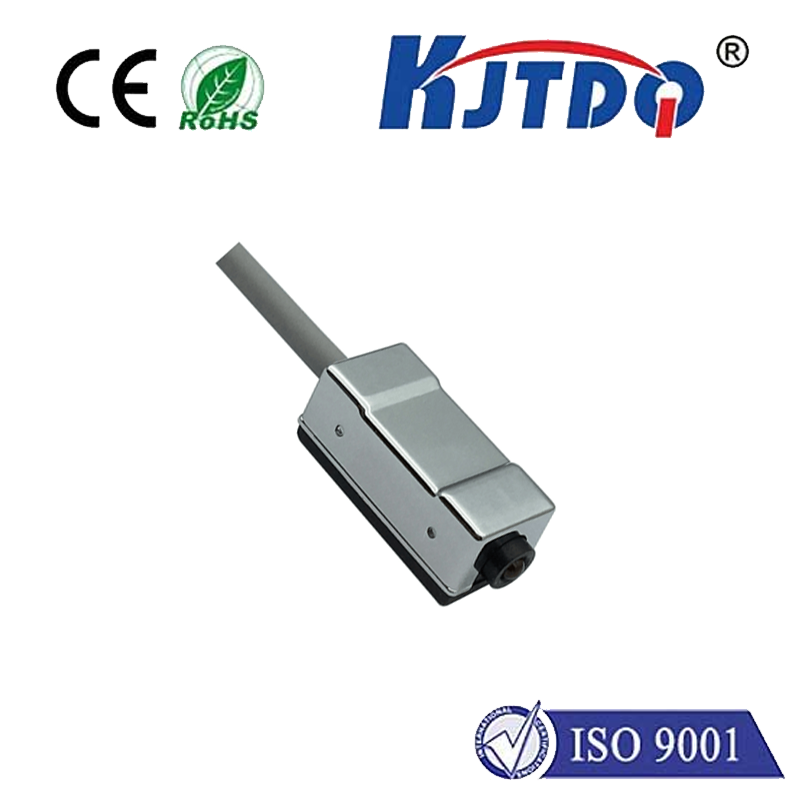
In the realm of industrial automation, the seamless and precise operation of pneumatic and hydraulic cylinders is paramount. This is where the cylinder limit switch, a critical yet often understated component, plays a pivotal role. Acting as the definitive sensor for cylinder piston rod position, it provides essential feedback to control systems, ensuring machinery operates within safe and efficient parameters. The integration of a high-quality cylinder limit switch directly translates to enhanced operational reliability, reduced downtime, and optimized production cycles.
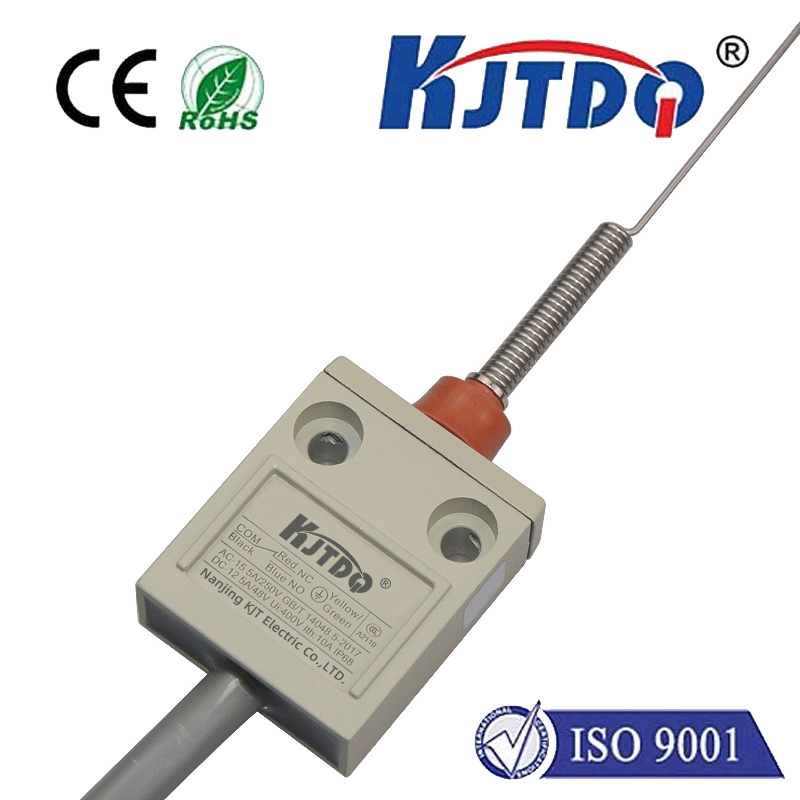
The fundamental principle of a cylinder limit switch is elegantly straightforward. It is typically mounted on the cylinder body and is actuated by the movement of the piston rod. When the rod reaches a predetermined point in its stroke, it physically triggers the switch. This action sends an immediate electrical signal to the programmable logic controller (PLC) or other central control unit. This signal confirms the cylinder's position—whether fully extended, fully retracted, or at a specific intermediate point. This confirmation is the cornerstone of sequential control in automated systems. For instance, in a packaging line, a limit switch signal confirming a clamping cylinder's extended position allows the next step, like sealing, to proceed. Without this precise feedback, processes could fail, leading to jams, product damage, or even safety hazards.
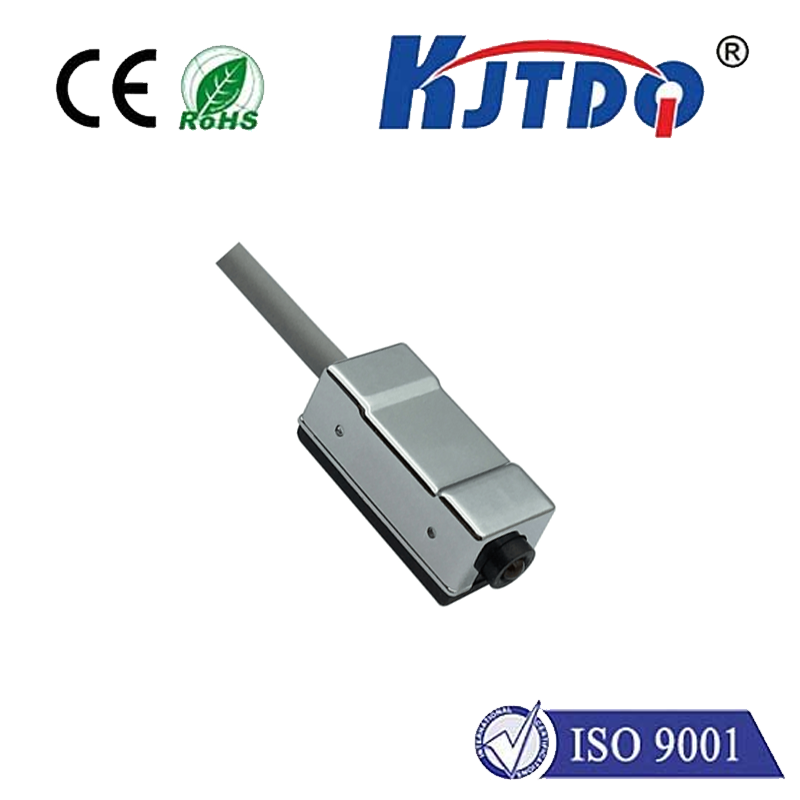
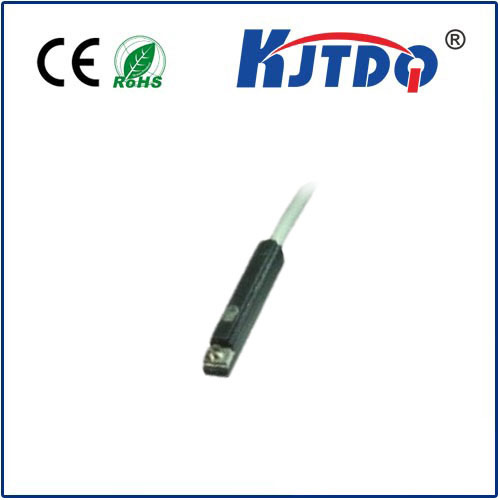
Modern cylinder limit switches are engineered for durability and performance in harsh industrial environments. Key design considerations include robust housing materials resistant to oil, coolant, and metal chips. Many models feature IP67 or higher ingress protection ratings, making them impervious to dust and capable of withstanding temporary immersion in water. This resilience is crucial in industries like automotive manufacturing, metalworking, and food processing, where equipment is exposed to extreme conditions. Furthermore, advancements have led to the development of non-contact magnetic reed or Hall-effect switches. These variants use a magnet embedded in the piston and a sensor mounted externally on the cylinder barrel. The absence of physical contact eliminates mechanical wear, significantly extending service life and maintenance intervals, which is a substantial advantage for high-cycle applications.
Selecting the appropriate cylinder limit switch requires careful analysis of the application. Engineers must consider factors such as the cylinder type (pneumatic or hydraulic), operating voltage and current requirements, output configuration (normally open or normally closed), and the required switching precision. The physical mounting style—whether side-mounted, front-mounted, or via a slot—must be compatible with the cylinder model. For applications involving high-speed cylinders or requiring multiple position feedback, compact sensors with rapid response times are essential. The choice between a traditional mechanical lever-arm switch and a non-contact magnetic switch hinges on the need for precision, expected cycle life, and environmental challenges.
The implementation of reliable cylinder limit switches delivers tangible benefits across the manufacturing floor. Primarily, they are indispensable for safety interlocking, preventing machine actuation unless guards are closed or tools are in the correct position. They enable precise control over repetitive motions, ensuring consistent product quality. By providing definitive end-of-stroke confirmation, they prevent cylinders from over-traveling, which protects both the cylinder and the machinery from damage. This proactive monitoring reduces unexpected failures, minimizes maintenance costs, and maximizes overall equipment effectiveness (OEE). In complex automated assembly systems, the data from these switches contribute to system diagnostics, allowing for quick troubleshooting and smoother operation.
As Industry 4.0 continues to evolve, the humble cylinder limit switch is also becoming smarter. Integration with Industrial Internet of Things (IIoT) platforms is now possible, where switch status data can be fed into analytics software for predictive maintenance. This allows plant managers to monitor switch performance trends and schedule maintenance before a failure occurs, pushing reliability and efficiency to new heights. The cylinder limit switch, therefore, remains a fundamental building block in the journey toward fully connected and intelligent factories.
In conclusion, the cylinder limit switch is far more than a simple on/off device. It is a vital sensory component that provides the control system with the critical intelligence needed for precise, safe, and efficient machine operation. From basic mechanical designs to advanced non-contact and IIoT-ready models, these switches are engineered to meet the rigorous demands of modern industry. Investing in the correct and high-quality cylinder limit switch is a strategic decision that safeguards productivity, ensures safety, and drives long-term operational excellence in any automated environment.