Проверка
Проверка
Проверка
Проверка
Проверка
Проверка
In industrial automation and machinery control, safety remains a paramount concern. Among the various components designed to protect equipment and personnel, the stop limit switch stands out as a critical device. This article delves into the functionality, applications, and benefits of stop limit switches, explaining why they are indispensable in modern industrial settings.
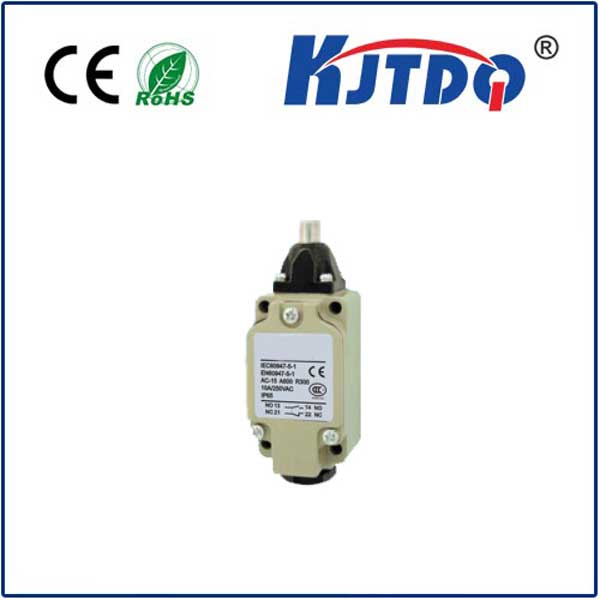
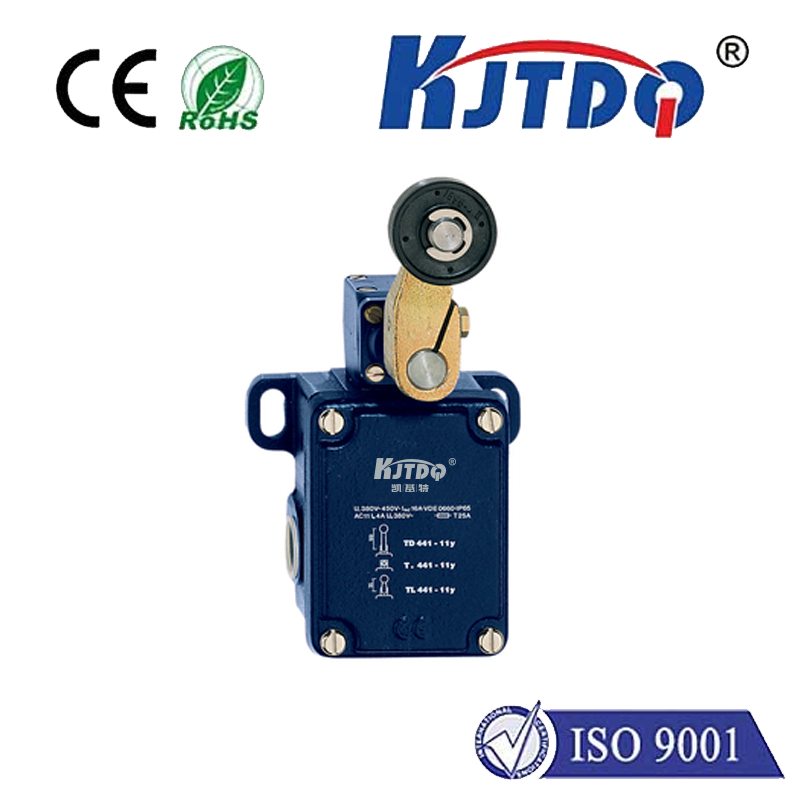
A stop limit switch, often referred to simply as a limit switch, is an electromechanical device used to detect the presence or absence of an object, or to monitor the position of machinery. It operates by activating or deactivating an electrical circuit when a physical force, such as a lever, roller, or plunger, is actuated. This action typically occurs when a machine part reaches a predetermined point, triggering the switch to send a signal to stop, start, or change the operation of the equipment. The primary purpose is to prevent overtravel, ensure precise positioning, and enhance safety by halting machinery in case of malfunctions or hazardous conditions.
The working principle of a stop limit switch is straightforward yet highly effective. It consists of a housing containing electrical contacts connected to an actuator. When the actuator is moved by external force—for instance, when a conveyor belt reaches its endpoint or a door closes—the contacts either open or close, interrupting or completing the circuit. This change in electrical state is then communicated to a control system, such as a programmable logic controller (PLC), which executes the appropriate command, like stopping a motor or initiating an alarm. This mechanism allows for reliable automation without constant human intervention, reducing the risk of accidents and improving operational efficiency.
Stop limit switches find applications across diverse industries. In manufacturing, they are commonly used on assembly lines to control the movement of robotic arms, ensuring they operate within safe limits. In material handling systems, these switches prevent conveyor belts from running beyond their intended range, avoiding damage to goods and equipment. Elevators and escalators rely on stop limit switches to halt at correct floor levels and stop in emergencies. Additionally, in the automotive sector, they monitor the position of machinery in stamping presses or welding robots, safeguarding against collisions and errors. Their versatility makes them suitable for any environment where precise mechanical control is needed.
The benefits of integrating stop limit switches into industrial systems are multifaceted. Firstly, they enhance safety by providing a fail-safe mechanism that automatically stops equipment when it exceeds set parameters, protecting workers from injuries and preventing costly damage. Secondly, they improve accuracy and repeatability in processes, leading to higher product quality and reduced waste. For example, in packaging machines, stop limit switches ensure that items are correctly positioned for sealing, minimizing errors. Thirdly, these switches contribute to maintenance efficiency by signaling when parts need adjustment or replacement, thus reducing downtime. Their robust design, often featuring sealed housings to resist dust, moisture, and extreme temperatures, ensures durability in harsh conditions, making them a cost-effective long-term solution.
When selecting a stop limit switch, several factors should be considered to ensure optimal performance. The operating environment plays a crucial role; for outdoor or wet areas, switches with high ingress protection (IP) ratings are essential to withstand elements. The type of actuator—whether lever, roller, or plunger—should match the application's mechanical requirements. Electrical specifications, such as voltage and current ratings, must align with the control system to avoid compatibility issues. Additionally, certifications from standards organizations like ISO or UL indicate reliability and compliance with safety regulations. Regular inspection and testing are recommended to maintain functionality, as wear and tear can affect performance over time.
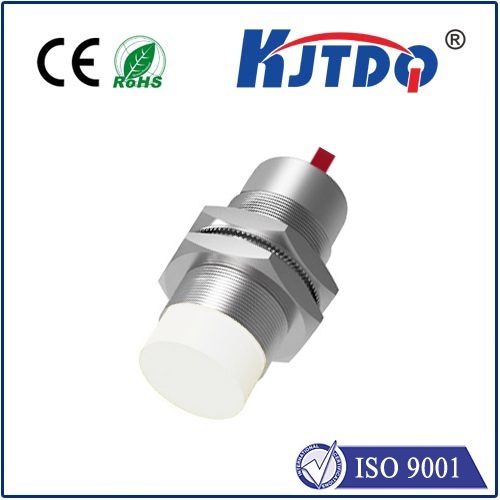
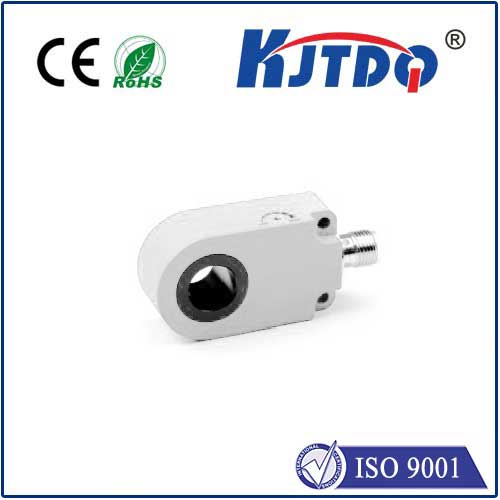
In conclusion, the stop limit switch is a fundamental component in industrial automation, offering a simple yet powerful means to control machinery and ensure safety. Its ability to detect limits and trigger actions makes it vital for preventing accidents, optimizing processes, and extending equipment life. As industries continue to embrace automation and smart technologies, the role of stop limit switches will only grow in importance. By understanding their operation and applications, businesses can make informed decisions to integrate these devices effectively, fostering a safer and more productive workplace. For those seeking reliable solutions, KJTDQ provides high-quality stop limit switches designed to meet rigorous industrial demands, ensuring peace of mind and operational excellence.