Проверка
Проверка
Проверка
Проверка
Проверка
Проверка
In the world of industrial automation and machine safety, the reliability of every component is paramount. Among these critical components, the limit switch stands as a silent sentinel, ensuring operations proceed within safe and defined parameters. The JLSL 1 limit switch represents a specific class of these devices, engineered for precision and durability in demanding environments. This guide delves into the essential role of limit switches, with a focus on the characteristics that make models like the JLSL 1 indispensable for engineers and maintenance professionals.
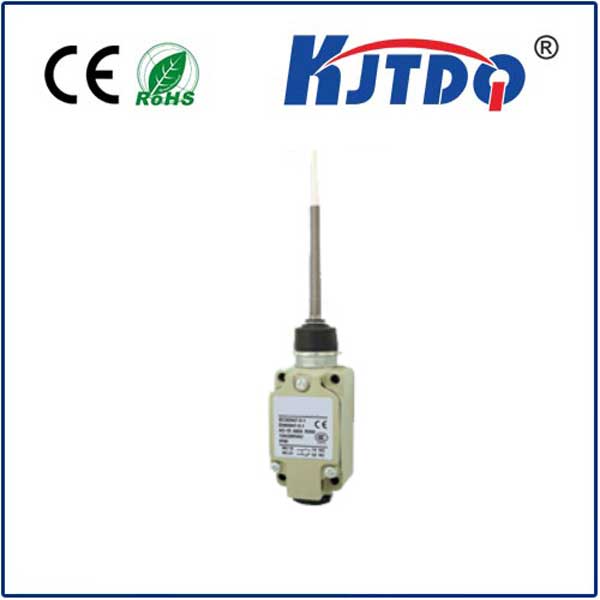
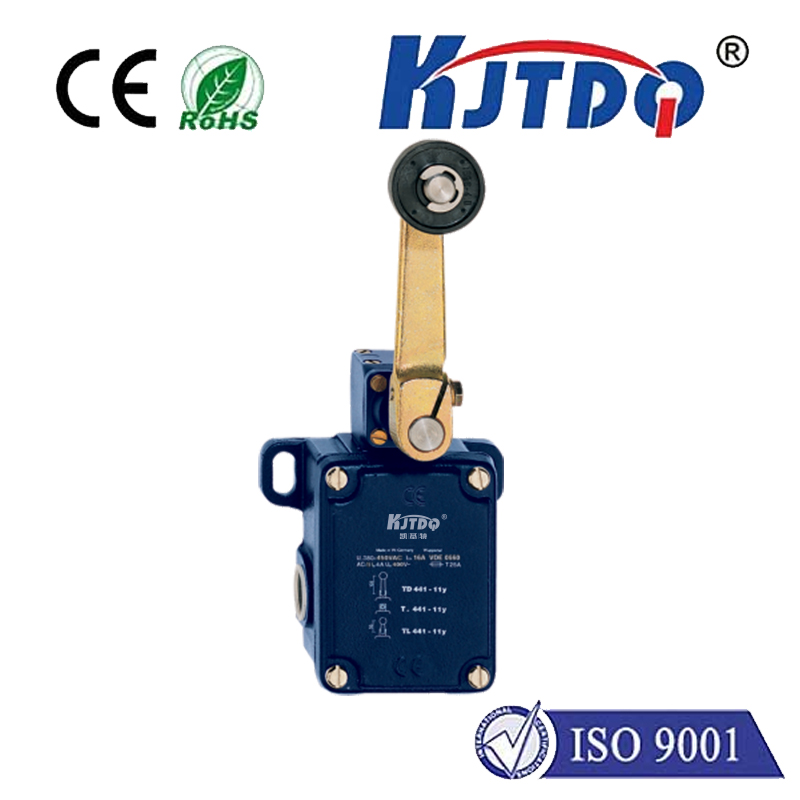
A limit switch is a fundamental electromechanical device used to detect the presence or absence of an object, or to monitor the positional limits of machine travel. It operates on a simple yet effective principle: a physical actuator arm or plunger is mechanically triggered by the movement of a machine part. This actuation changes the internal electrical state of the switch, either opening or closing a circuit. This signal is then sent to the machine's control system—such as a Programmable Logic Controller (PLC)—to initiate a specific action. Common actions include stopping a motor, reversing direction, sequencing the next step in a process, or triggering a safety alarm. This functionality is crucial for preventing over-travel, which can cause machine damage, product spoilage, or even personnel injury.
The designation "JLSL 1" typically refers to a specific model or series within a manufacturer's lineup. While specifications can vary, a switch like the JLSL 1 is generally designed for robust performance. Key features often include a compact yet sturdy housing, often constructed from metal or high-grade engineering plastics, providing resistance to oil, dust, and water—frequently rated to standards like IP67. The actuator type is a critical choice; it could be a roller lever, a top-push plunger, or a rotary arm, selected based on the direction and force of the machine contact. The electrical ratings, such as 10A at 250VAC, define its capacity to handle the connected load directly or through a relay. Its repeat accuracy—the ability to actuate at the exact same point consistently—is vital for precision automation tasks.
So, where exactly is a JLSL 1 limit switch deployed? Its applications span across numerous industries. On a conveyor system, it can detect when a package has reached the end of a line or initiate a diverter gate. In CNC machining centers, it defines the "home" position for the tool head, ensuring every cycle starts from a known, accurate location. Within robotic work cells, limit switches serve as end-of-arm tooling sensors or safe travel limiters. They are also found on automated doors, elevators (to confirm floor level alignment), and packaging machinery. In any scenario where physical position needs to be converted into a reliable electrical signal, a durable limit switch like the JLSL 1 is a likely candidate.
Selecting the right limit switch goes beyond just the model number. Engineers must consider the operating environment. Will the switch be exposed to extreme temperatures, corrosive chemicals, or heavy washdowns? The housing material and ingress protection (IP) rating must match these conditions. The mechanical requirements are equally important: the actuator must align correctly with the moving part, and the operating force must be sufficient for reliable triggering without causing undue wear. Electrical compatibility with the control system's voltage and current is non-negotiable for both safety and functionality. Finally, considering the need for easy adjustment or replacement can influence the choice of a modular design or a pre-wired connector block.
The primary advantage of using a well-made limit switch like the JLSL 1 is operational safety and machine integrity. It provides a direct, physical means of interlocking machine motion, forming a critical part of safety circuits. This proactive protection reduces downtime caused by crashes or jams, leading to higher overall equipment effectiveness (OEE). Furthermore, their simplicity translates to ease of installation, troubleshooting, and maintenance compared to more complex proximity sensors in some applications. Their electromechanical nature often makes them less susceptible to electrical noise interference.
To ensure long-term reliability, periodic inspection and maintenance are recommended. This involves checking the actuator arm for looseness or damage, verifying the mounting is secure, and testing the electrical operation. Listening for unusual sounds during actuation or observing signs of physical wear on the actuator can preempt failure. Keeping a spare JLSL 1 limit switch in the maintenance inventory minimizes downtime in case of an unexpected fault.
In conclusion, while the JLSL 1 represents a specific product, it embodies the enduring value of electromechanical limit switches in automation. In an era increasingly dominated by sophisticated sensors, the fundamental role of a robust, physically-actuated switch for position detection and safety interlocking remains unchallenged. For machine builders and plant engineers seeking a dependable solution for motion control and safety, understanding and specifying the correct limit switch, such as the JLSL 1, is a foundational step toward building reliable, efficient, and safe industrial systems.