In industrial automation and control systems, precision and reliability are paramount. Among the myriad components that ensure seamless operation, limit switches and microswitches play fundamental yet critical roles. While the terms are sometimes used interchangeably, they represent distinct devices with specific applications, united by their common function: to detect the presence or absence of an object or to monitor positional limits.
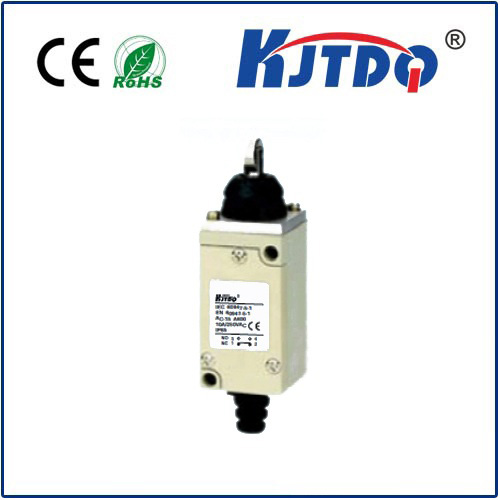
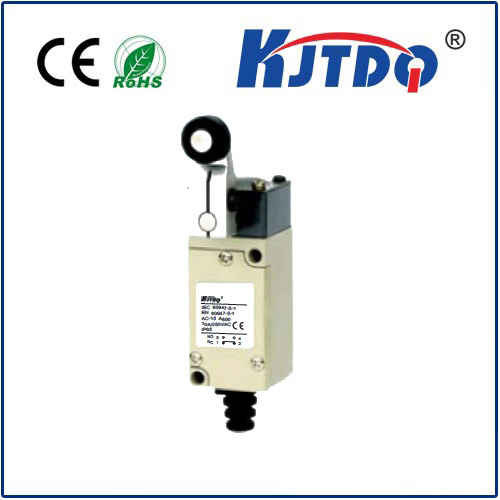
A limit switch is an electromechanical device containing an actuator mechanically linked to a set of contacts. When an object (often called the target) makes physical contact with the actuator, it moves the contacts to either make or break an electrical connection. These robust switches are designed for harsh industrial environments, capable of handling high currents and withstanding dust, moisture, and vibration. Their primary application is to control machinery by defining the limits of travel for moving parts. For instance, on an automated conveyor system, limit switches are positioned at the end of the track. When a moving cart reaches the endpoint and contacts the switch's actuator lever, the switch is triggered, sending a signal to the control system to stop the motor, thereby preventing overtravel and potential damage. They are essential in CNC machines, elevators, and material handling equipment, providing essential safety interlocks and sequence control.
A microswitch, on the other hand, is a specific type of snap-action switch. Its defining characteristic is a very small movement (the "pretravel") of the actuator required to trigger a rapid, positive change in the electrical contacts. This snap-action mechanism, often provided by a spring, ensures quick, clean switching regardless of the speed of actuator movement, which minimizes arcing and extends the device's lifespan. Microswitches are known for their precision, repeatability, and compact size. While they can be used as limit switches in many contexts, their applications are vast and extend far beyond heavy industry. You will find microswitches inside household appliances like microwave ovens (door safety interlock), vending machines, computer mouse buttons, and automotive controls. Their reliability makes them ideal for applications requiring a definitive "on/off" signal from a precise physical action.
The synergy between these components is evident in complex automated systems. Consider a robotic assembly arm. Microswitches might be integrated into the gripper mechanism to confirm that a part has been successfully picked up—a delicate sensing task requiring precision. Simultaneously, robust limit switches define the arm's safe rotational and extension boundaries in its larger movements, preventing collisions. The choice between a standard limit switch and a microswitch often boils down to the required electrical load, the precision of actuation, environmental conditions, and physical space constraints.
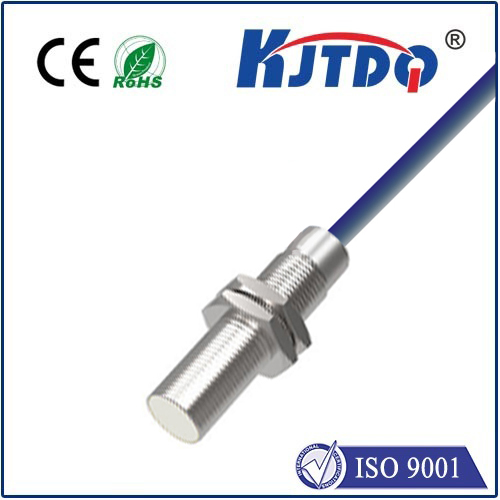
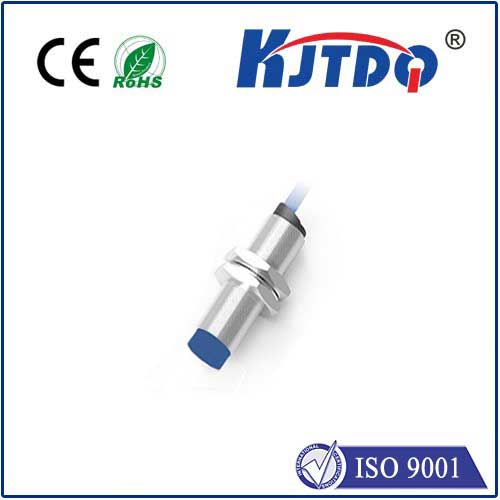
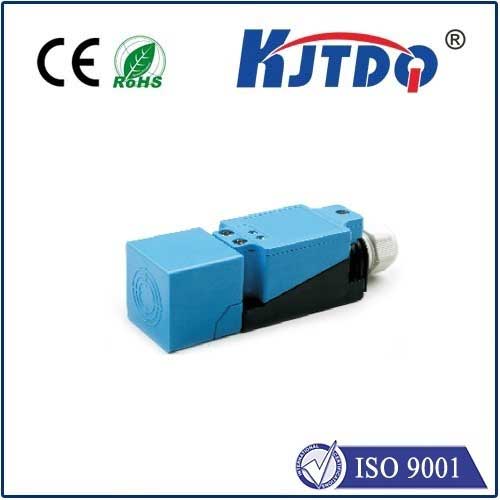
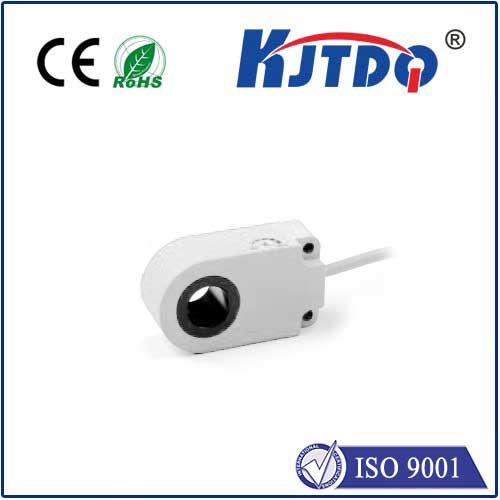
When selecting a switch for an application, engineers must evaluate several key specifications. These include the electrical rating (current and voltage), the mechanical life expectancy (number of cycles), the type of actuator (lever, roller, plunger), the enclosure's IP (Ingress Protection) rating for environmental sealing, and the switching logic (normally open or normally closed). For high-cycle applications or those requiring extremely reliable position feedback, solid-state proximity sensors are sometimes used. However, for applications requiring direct physical contact detection, tactile feedback, or simplicity in harsh conditions, electromechanical limit switches and microswitches remain irreplaceable.
The evolution of Industry 4.0 and the Internet of Things (IoT) is not leaving these fundamental components behind. Modern limit switches can now be equipped with networking capabilities and diagnostic functions, feeding real-time operational data into centralized control systems for predictive maintenance. However, the core principle remains unchanged: a reliable physical interface between the mechanical world and the electrical control system.
In conclusion, understanding the operational principles and distinctions of limit switches and microswitches is crucial for designing safe, efficient, and reliable automated systems. From safeguarding heavy machinery to enabling the simple click of a device, these components form the silent, dependable backbone of our automated world. Their continued development ensures they will meet the ever-growing demands for precision and connectivity in modern manufacturing and beyond.