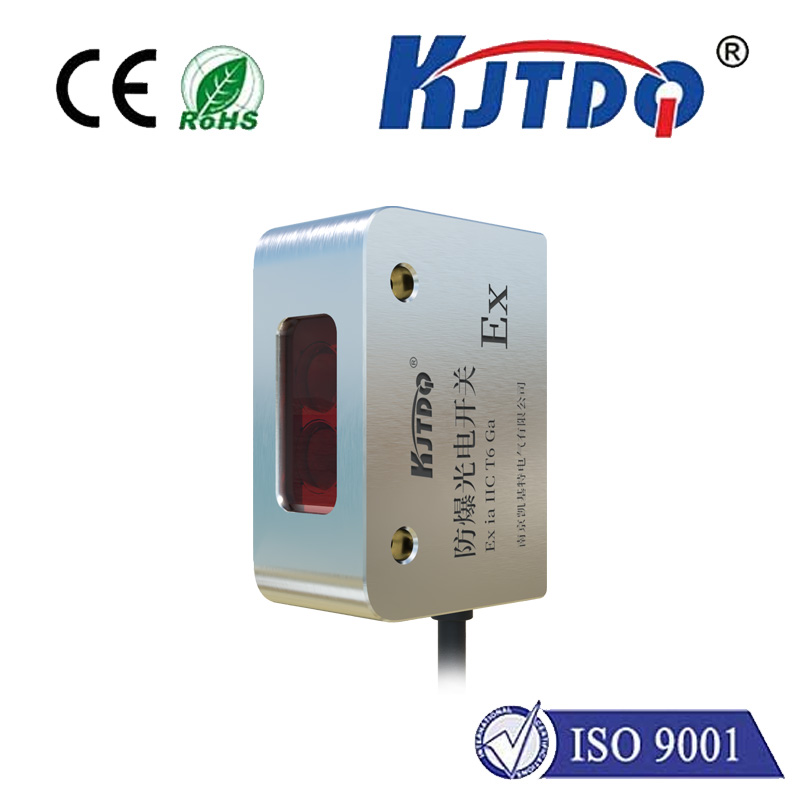
In the intricate world of electromechanical systems, where reliability and precision are non-negotiable, a single component often plays a pivotal role in ensuring seamless operation. The micro switch actuator, a seemingly modest part of the larger micro switch assembly, is precisely that critical element. It serves as the primary interface between an external force and the switch's internal snap-action mechanism, dictating the accuracy, sensitivity, and longevity of the entire switching process. Understanding its function, types, and selection criteria is paramount for engineers, designers, and procurement specialists across industries ranging from automotive and aerospace to home appliances and industrial automation.
At its core, the actuator is the part of a micro switch that is physically touched, pressed, rolled over, or triggered by a moving object or machine part. This external force is then transferred through the actuator to the switch's internal spring mechanism. The unique "snap-action" design ensures a rapid and definitive make-or-break of the electrical contacts, regardless of the speed at which the actuator is moved. This eliminates arcing, ensures clean signal transmission, and provides a high degree of repeatability. Without a properly designed actuator, the switch's inherent reliability would be compromised.
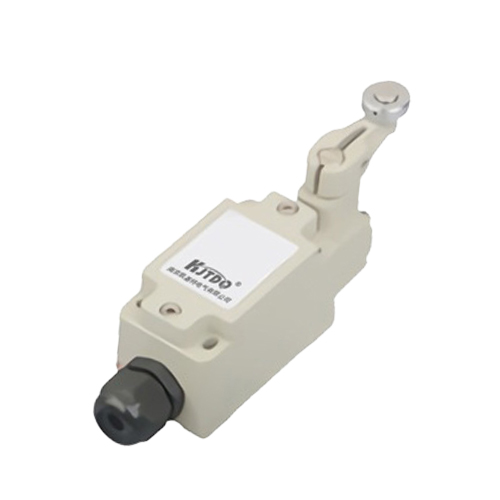
The diversity in actuator types allows micro switches to be adapted for countless applications. The most common variant is the standard lever actuator, which provides mechanical advantage, allowing a small force applied at the end of the lever to effectively trip the switch. These levers can be straight, roller-lever (featuring a small wheel at the end to reduce friction and wear from moving parts), or simulated roller-lever. Plunger or pin plunger actuators are used for direct, straight-line actuation where precise overtravel control is needed. Leaf actuators, often made of flexible spring steel, are ideal for applications where the actuating object moves in a sweeping motion. For safety and limit switches, a variety of specialized actuators like cat whiskers, fork levers, and paddle levers are employed. The choice of material—whether stainless steel, plastic, or nickel-plated brass—is equally crucial, impacting the actuator's durability, environmental resistance, and operational lifespan.
Selecting the correct micro switch actuator is a nuanced decision that directly impacts system performance. Key parameters must be carefully evaluated. The operating force, the amount of force required to trip the switch, must be balanced against the available force from the actuating object. Overtravel, the distance the actuator can safely move after the switch has tripped, is essential for ensuring reliable operation despite mechanical tolerances or vibrations. Pretravel is the distance the actuator moves from its free position to the trip point. Differential travel, the distance between the trip and reset points, contributes to the switch's hysteresis. Environmental factors are also critical; actuators in washdown environments or outdoor applications may require stainless steel construction, while high-temperature settings demand materials that won't degrade.
The practical applications of micro switches with tailored actuators are ubiquitous. In a microwave oven, a lever actuator ensures the door is securely closed before operation can begin, a fundamental safety interlock. In an automotive power window system, micro switches with precisely calibrated actuators detect when the window has reached the top or bottom of its travel, automatically cutting power to the motor to prevent damage. On a complex industrial assembly line, limit switches with robust roller lever actuators provide precise positional feedback for robotic arms or conveyor systems. In vending machines and gaming consoles, micro switch actuators provide the satisfying, tactile "click" that confirms user input.
When integrating a micro switch, proper attention to the actuator's installation and interaction is vital. The actuating object must make clean, consistent contact with the actuator's intended surface. Misalignment can cause binding, uneven wear, or failure to trip. The direction of force should be as perpendicular as possible to the actuator's plane of motion to avoid sideloading, which can drastically reduce switch life. For lever actuators, ensuring the correct operating angle and preventing over-rotation beyond the lever's mechanical stop are simple yet effective steps to guarantee millions of reliable cycles.
In conclusion, the micro switch actuator is far more than a simple protruding piece of metal or plastic. It is the engineered gateway that translates physical motion into a definitive electrical signal. Its design dictates the operational characteristics of the switch it serves. By meticulously considering the type, force, travel, and environmental needs of an application, professionals can harness the full potential of micro switch technology. The right actuator ensures not just functionality, but also the durability, safety, and precision that modern automated systems demand, making it an indispensable component in the quest for flawless control.