In the world of industrial automation, precision and reliability are non-negotiable. Among the myriad of components that ensure seamless operation, the limit switch stands as a fundamental pillar. Specifically, the RS series of limit switches has carved out a reputation for robustness and dependability in demanding environments. This guide delves into the core features, applications, and critical selection criteria for the Limit Switch RS, providing essential insights for engineers and procurement specialists.
A limit switch is an electromechanical device that detects the presence or absence of an object, or monitors its position, by physically making or breaking an electrical contact. The "RS" designation often refers to a specific series or model line known for particular characteristics like rugged construction, specific actuation types, or environmental ratings. These switches are the silent sentinels on production lines, machinery, and material handling systems, providing the essential feedback that controls sequences, prevents overloads, and ensures operator safety.
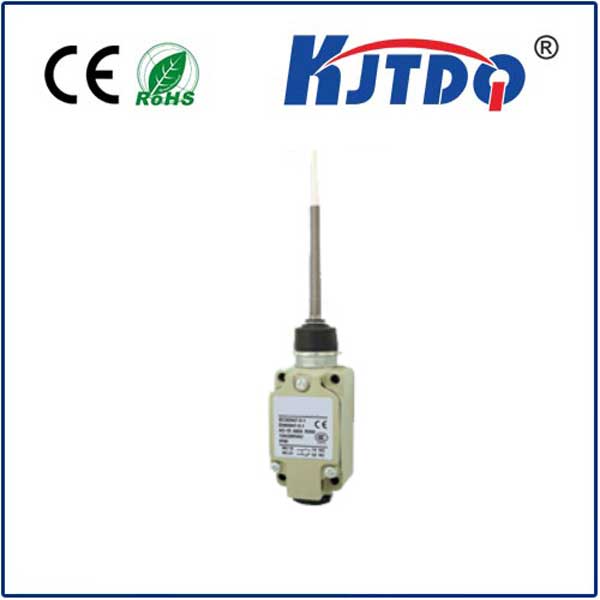
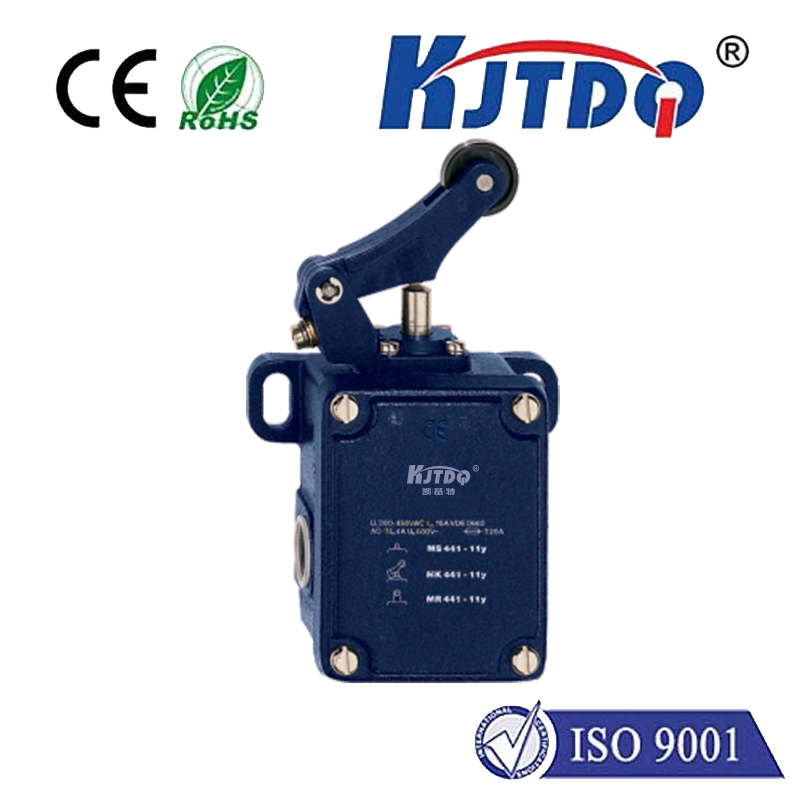
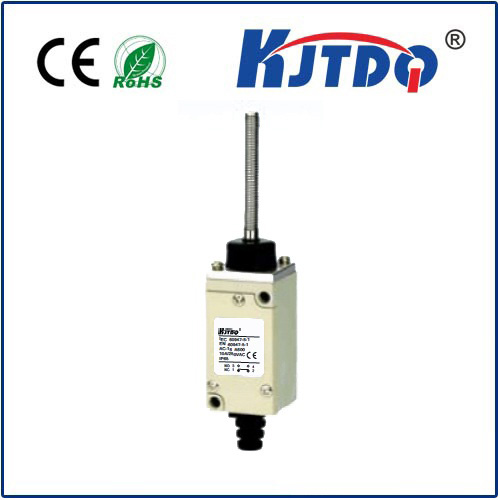
The construction of a typical RS series limit switch is designed to withstand harsh conditions. A robust metal or high-grade polymer housing protects the internal snap-action mechanism from dust, moisture, oil, and mechanical impact. Common actuator types include lever arms (with various roller styles), plungers, and wobble sticks, each chosen based on the required direction of travel and force. The heart of the switch is its electrical contact block, typically available in configurations like Single Pole Double Throw (SPDT), which provides both normally open and normally closed contacts for flexible circuit design. The reliability of the RS series often hinges on its precise mechanical action and high electrical rating, allowing it to directly control motors, solenoids, or relay coils without intermediary devices.
The applications for Limit Switch RS units are vast and varied. In automotive manufacturing, they precisely position robotic arms for welding or assembly. On packaging lines, they detect the presence of a product to trigger filling or sealing operations. In heavy machinery like cranes or lifts, they serve as critical end-of-travel safety stops to prevent catastrophic overrun. Their role in door and gate interlocking systems is vital for safety, ensuring equipment cannot operate unless access panels are securely closed. The RS series' durability makes it particularly suited for these high-cycle, physically demanding tasks where failure is not an option.
Selecting the right Limit Switch RS requires careful consideration of several parameters. The operating environment is paramount: will the switch be exposed to washdowns, corrosive chemicals, or extreme temperatures? Ingress Protection (IP) ratings, such as IP67, indicate resistance to dust and temporary immersion. The mechanical specifications include actuator type, operating force, pre-travel, and over-travel limits. Electrically, the voltage and current ratings (both AC and DC) must match the control circuit. For instance, a switch rated for 10A at 250VAC is common for direct motor control. Physical dimensions and mounting style (e.g., standard base, plug-in) must also align with the machine design. Consulting detailed manufacturer datasheets for the specific RS model is crucial for optimal performance and longevity.
Installation and maintenance are straightforward but critical. Proper alignment of the actuator with the target machine part (the dog or cam) is essential to ensure consistent operation and prevent premature wear. Mounting must be secure to avoid vibration-induced failure. Regular inspection for physical damage, loose connections, and contact wear is part of a proactive maintenance schedule. Many RS series switches feature a visible indicator or a tactile click, providing immediate feedback on operation. Keeping actuators clean and free from debris buildup extends service life significantly.
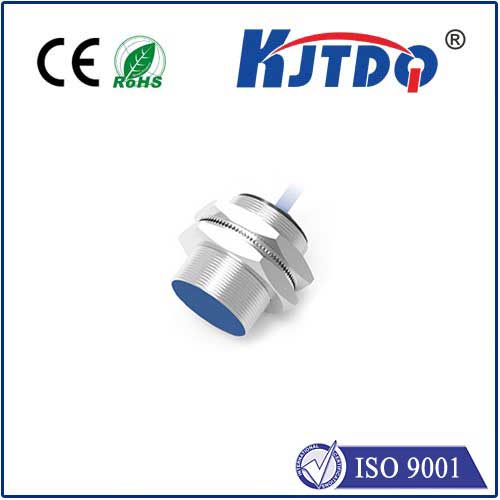
While solid-state proximity sensors offer non-contact operation, the Limit Switch RS retains key advantages. Its physical actuation provides a definitive, unambiguous signal unaffected by target material or environmental interference like metal chips or steam. It can often handle higher electrical loads directly, simplifying control panel design. The tactile feedback is also valuable for manual setup and troubleshooting. For applications requiring absolute position confirmation with physical contact, the mechanical limit switch remains the gold standard.
In conclusion, the Limit Switch RS represents a mature, proven solution for position detection and control in automation. Its strength lies in its simplicity, direct interface with high-power loads, and unwavering reliability under physical stress. For engineers designing or maintaining systems where downtime costs are high, specifying a well-chosen RS series limit switch is an investment in continuous, safe, and efficient operation. Understanding its specifications, applications, and maintenance needs is the key to unlocking its full potential on the factory floor.