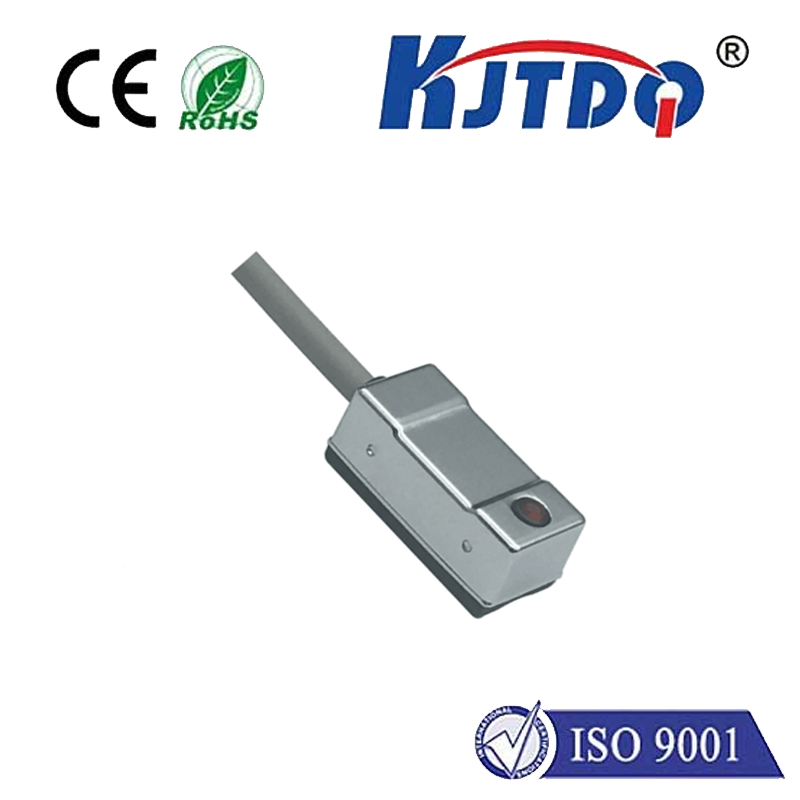
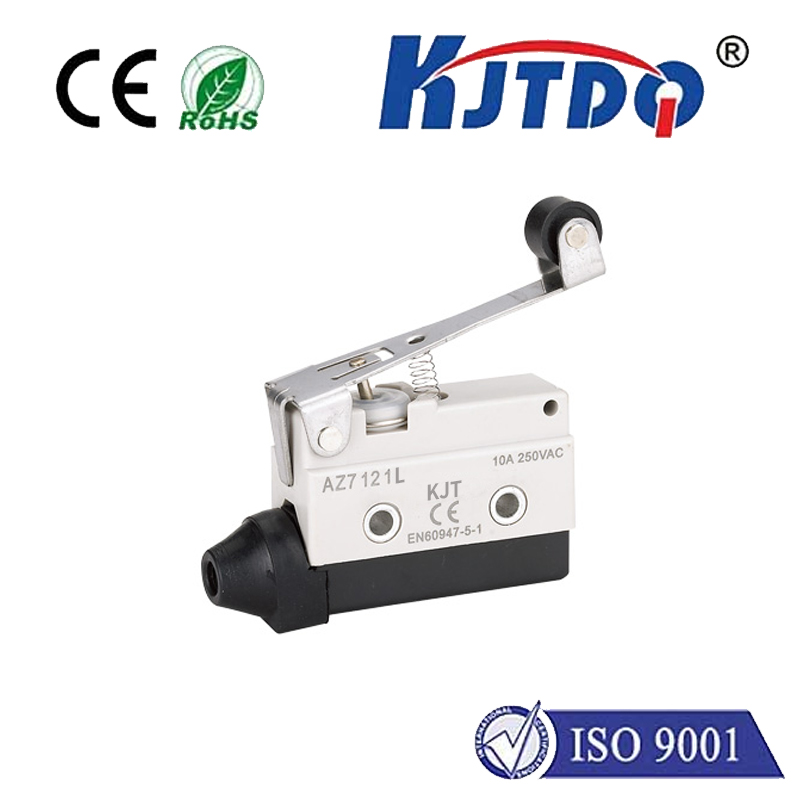
In industrial automation and machinery, precise motion control is non-negotiable. The spring limit switch, a fundamental yet critical component, plays a pivotal role in ensuring this precision by defining the endpoints of mechanical movement. This guide delves into the mechanics, applications, and advantages of spring limit switches, providing a comprehensive overview for engineers and maintenance professionals.
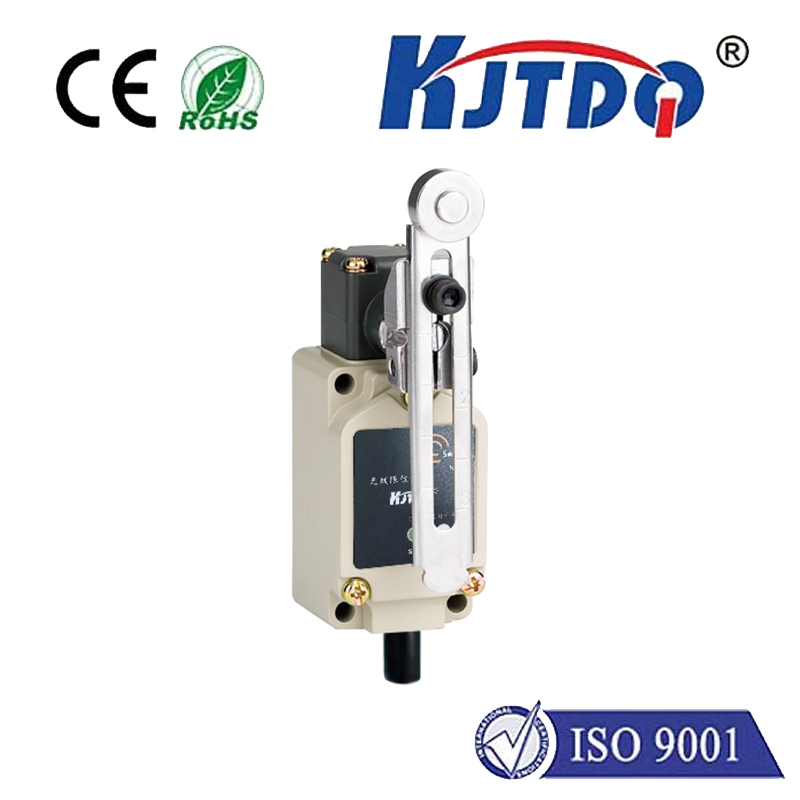
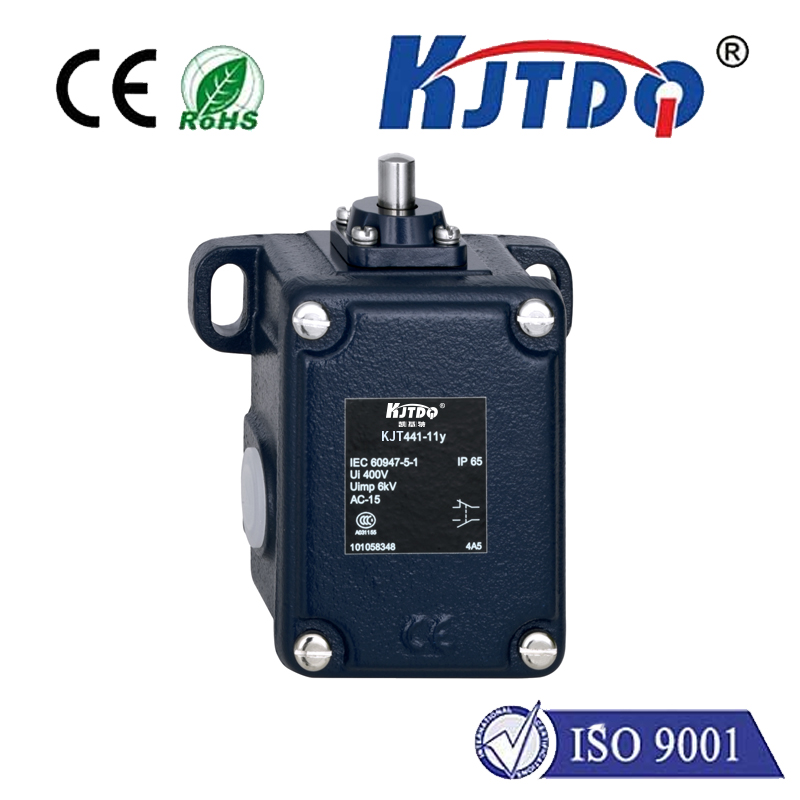
A spring limit switch is a type of position-sensing device designed to detect the presence or absence of an object, or to monitor the limits of travel for a moving part. Its operation hinges on a spring-loaded actuator—typically a lever, plunger, or roller. When the target object contacts the actuator, it overcomes the spring tension, triggering an internal mechanism that changes the state of electrical contacts. This action either completes or interrupts a circuit, sending a signal to the control system to stop, start, or alter a machine's operation. The "spring return" feature ensures the actuator reverts to its original position once contact is lost, making it ready for the next cycle.
The reliability of spring limit switches stems from their straightforward, robust construction. Key components include a durable housing (often metal or high-grade plastic for resistance to environmental factors), the spring-loaded actuator, and snap-action switching elements known for quick, clean contact transitions. This design minimizes arcing and extends operational life, even in high-cycle applications. Their mechanical nature provides a tangible, fail-safe detection method that remains effective where electronic sensors might struggle with interference, contamination, or power instability.
Spring limit switches are ubiquitous across industries. In manufacturing, they are integral to conveyor systems, ensuring items are correctly positioned for processing or preventing overtravel in automated arms. In packaging machinery, they control the fill levels or the positioning of sealing elements. Elevators and escalators rely on them for safe door operation and precise floor alignment. They also serve as safety interlocks on guards and access doors, halting machinery when opened to protect personnel. Their versatility allows customization with different actuator styles, contact ratings (for low-voltage logic circuits or higher power loads), and ingress protection (IP) ratings for use in dusty, wet, or corrosive environments.
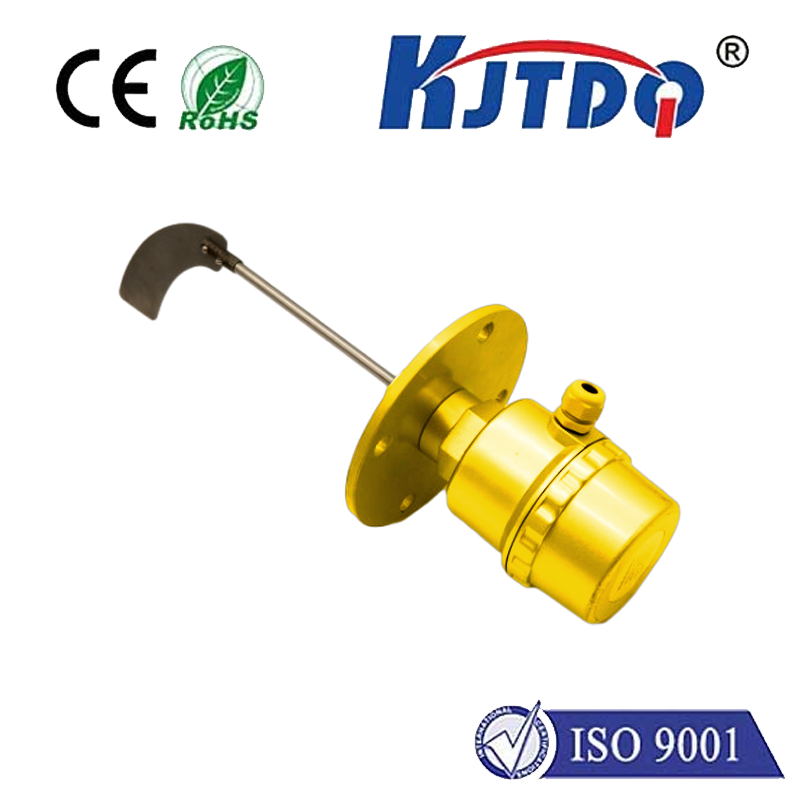
Selecting the right spring limit switch involves several considerations. The operating environment dictates the required housing material and sealing—stainless steel or sealed units for washdown or outdoor use. The actuator type must match the application: a roller lever for engaging with moving cams or edges, a flexible rod for multi-directional contact, or a plunger for direct, linear pressure. Electrical specifications, such as voltage, current rating (AC or DC), and contact configuration (normally open, normally closed, or changeover), must align with the control circuit. Mechanical life expectancy, measured in millions of cycles, is crucial for high-frequency operations. Proper installation and routine inspection—checking for spring fatigue, actuator wear, and secure wiring—are essential to maintain performance and prevent unplanned downtime.
While modern proximity sensors and photoelectric eyes offer contactless sensing, the spring limit switch retains a competitive edge. It provides a physical, overtravel safety backup in systems using electronic sensors. Its operation is easily understood and diagnosed without specialized tools, simplifying troubleshooting. Furthermore, it often presents a cost-effective solution for straightforward position-limiting tasks, delivering unwavering performance without complex programming or sensitivity adjustments.
In essence, the spring limit switch remains a cornerstone of industrial control. Its blend of simplicity, durability, and direct feedback makes it an indispensable tool for safeguarding equipment and ensuring repetitive, accurate motion. By understanding its function and proper application, professionals can enhance system reliability, safety, and efficiency, making it a smart choice for countless motion control challenges.