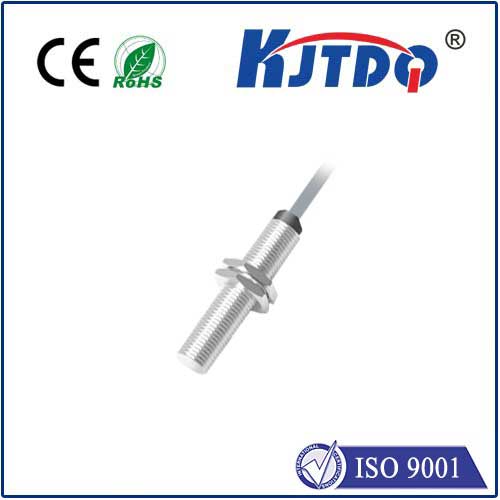
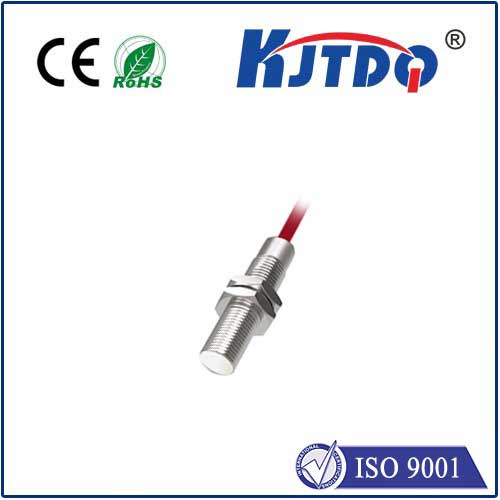
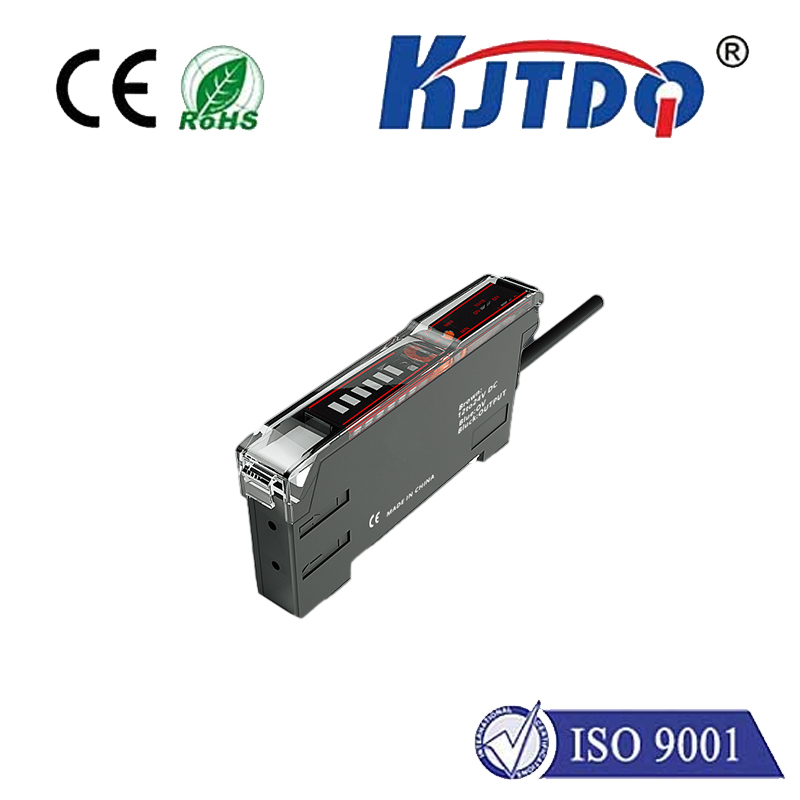
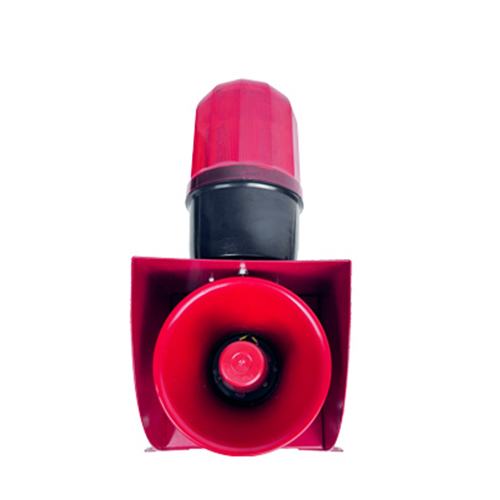
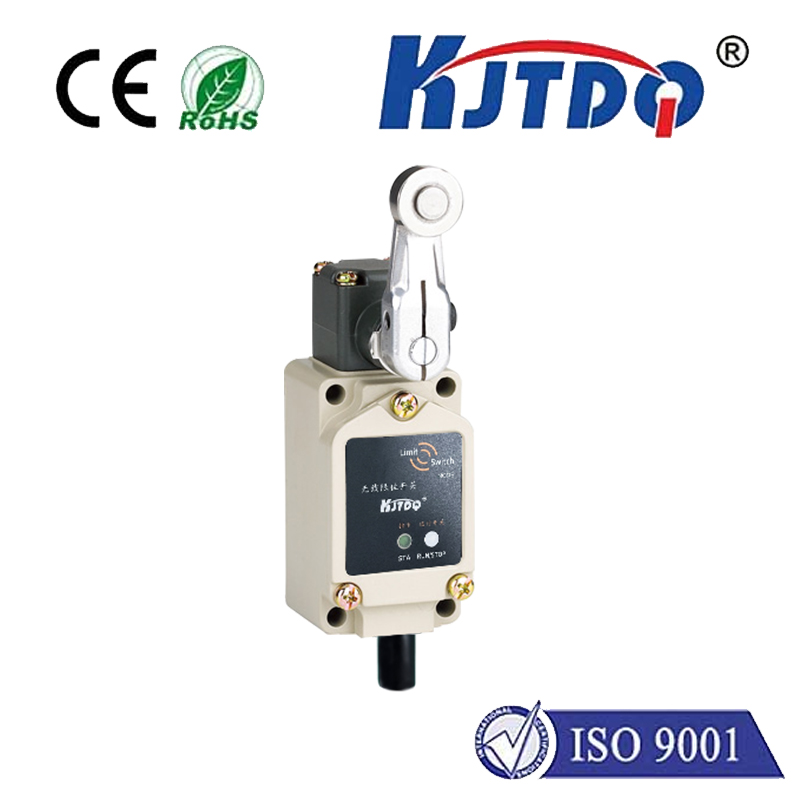
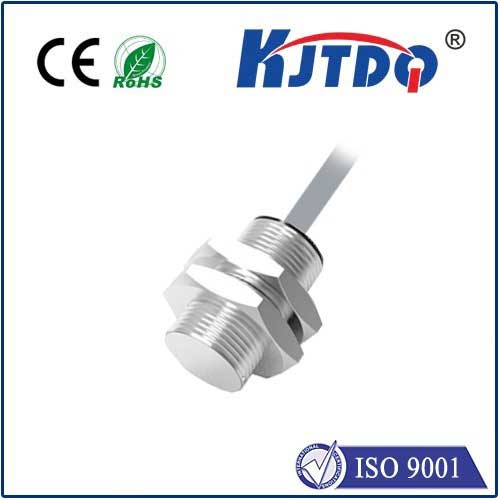
In the world of industrial automation and machinery control, precision and reliability are non-negotiable. The ME 8108 limit switch stands as a critical component in countless applications, from conveyor systems and robotic arms to safety gates and packaging equipment. This electromechanical device is engineered to detect the presence or absence of an object, or to monitor the limits of motion, thereby providing essential feedback to a control system. Its primary function is to ensure operations halt or proceed only when specific physical conditions are met, safeguarding both equipment and personnel.
The ME 8108 model is renowned for its robust construction and versatility. Typically housed in a durable metal or high-grade plastic enclosure, it is designed to withstand harsh industrial environments, including exposure to dust, moisture, vibration, and temperature variations. The heart of the switch is its actuator—the part that makes physical contact with the target object. This can come in various forms such as a roller lever, a plunger, or a whisker, allowing the ME 8108 to be configured for a wide range of mechanical motions. When the actuator is displaced, it triggers an internal mechanism that changes the state of the electrical contacts within, either opening or closing a circuit.
One of the key advantages of the ME 8108 limit switch is its simplicity and direct feedback. Unlike some proximity sensors, it provides a definitive physical actuation, which translates into a clear, unambiguous electrical signal. This makes integration straightforward with Programmable Logic Controllers (PLCs), relays, and other control circuitry. For maintenance technicians and engineers, this simplicity also means easier troubleshooting and diagnosis. A visual inspection of the actuator or an audible click can often confirm operation, reducing downtime.
Installation and alignment are crucial for optimal performance. The ME 8108 must be mounted securely to prevent movement from vibration. The position of the actuator relative to the target object—known as the operating point—must be precisely set. Furthermore, considerations like over-travel (the distance the actuator can safely move beyond the operating point) and repeatability (the consistency of the switch point) are vital for long-term reliability. Proper adjustment ensures the switch activates consistently without being subjected to excessive force that could lead to premature wear.
Common applications are extensive. In material handling, ME 8108 switches are used to detect when a pallet reaches the end of a conveyor, initiating the next process. In machine tools, they define the travel limits of a cutting head, preventing collisions. They serve as door interlocks on safety cages, ensuring power is cut before access is granted. Their role is foundational in creating automated sequences that are both efficient and safe.
When selecting a limit switch like the ME 8108, several specifications must be evaluated. These include the electrical rating (voltage and current capacity of the contacts), the mechanical life expectancy (number of actuations), the degree of ingress protection (IP rating for dust and water resistance), and the type of output contacts (e.g., normally open, normally closed, or changeover). Choosing a switch with specifications that match or exceed the application's demands is essential for avoiding failures.
Routine maintenance, though minimal, should not be overlooked. Periodically checking for loose mounting hardware, accumulated debris around the actuator, and signs of physical damage can prevent unexpected faults. The contacts, while robust, can eventually wear or pit from electrical arcing, especially under inductive loads. In such cases, having a scheduled replacement plan based on operational cycles is a prudent strategy.
In conclusion, the ME 8108 limit switch exemplifies a timeless solution for position sensing and control. Its electromechanical principle, combined with rugged design, offers a dependable and cost-effective method for integrating physical world feedback into automated systems. For engineers designing new equipment or technicians maintaining existing lines, understanding the capabilities and proper application of the ME 8108 is fundamental to achieving operational excellence, safety, and reliability in any industrial setting.