Проверка
Проверка
Проверка
Проверка
Проверка
Проверка
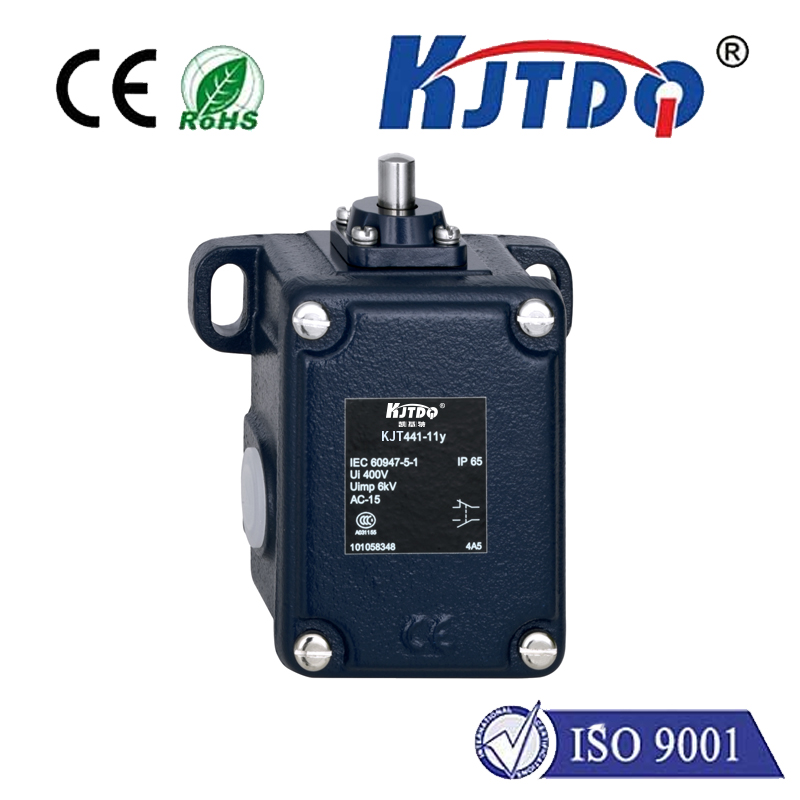
In the intricate world of industrial automation and machinery control, the micro limit switch with roller stands as a critical component for ensuring precise positional feedback and operational safety. This compact yet robust device is engineered to detect the presence or absence of an object, or to monitor the limits of motion, within a vast array of applications—from conveyor systems and packaging machinery to robotic arms and safety interlocks.
The defining feature of the micro limit switch with roller is its miniature size combined with a roller lever actuator. This roller, typically mounted on the switch's lever arm, serves a vital function: it reduces friction and wear when coming into contact with the target object or cam. This design allows for smoother operation, more consistent actuation, and a significantly longer mechanical life compared to standard lever arms. The roller effectively "rolls over" the actuating surface, minimizing sticking or binding that can lead to false signals or premature failure.
Why is this precision so crucial? In high-speed automated processes, even a millisecond of delay or an inaccurate signal can cause production errors, jams, or unsafe conditions. The micro limit switch with roller provides the reliable, repeatable "on/off" signal needed for programmable logic controllers (PLCs) to execute sequences accurately. For instance, in an assembly line, it might confirm that a part has reached the correct position before a welding operation begins. In a garage door opener, it acts as a safety limit to prevent the door from over-traveling.
Durability is another cornerstone of its design. High-quality micro limit switches with rollers are built to withstand harsh industrial environments. They often feature sealed housings that offer protection against dust, oil, and moisture (commonly rated IP67). The internal switching mechanism, whether using a snap-action design for quick, clean contact break or a slow-break design, is engineered for millions of reliable cycles. The materials—from the stainless steel roller and shaft to the rugged thermoplastic or metal housing—are selected for longevity and resistance to corrosion and impact.
Selecting the right micro limit switch with roller involves considering several technical parameters. The operating force and differential travel (the distance between the actuation and release points) must match the mechanical action of the application. Roller type and lever length are also key; options include standard rollers, fork-type rollers for better guidance, or adjustable levers for fine-tuning the actuation point. Electrical ratings, such as the voltage, current (AC or DC), and contact configuration (SPDT, SPST-NO, SPST-NC) must be compatible with the control circuit.
Installation and maintenance are straightforward but demand attention to detail. The switch must be mounted securely to prevent vibration from altering its set position. The actuator roller should be aligned correctly with the moving part or cam to ensure proper engagement without excessive side load. Regular inspection for wear on the roller and lever, along with checking for loose terminals, helps prevent unexpected downtime.
From consumer appliances to heavy industrial equipment, the applications are virtually limitless. They are indispensable in CNC machines for homing sequences, in elevators for floor leveling, in agricultural equipment for position sensing, and in vending machines to detect product dispensing. Their role is often silent and unseen, but it is fundamental to the smooth, efficient, and safe operation of modern automated systems.
In conclusion, the micro limit switch with roller is far more than a simple mechanical switch. It is a precision sensor, a durability champion, and a safety sentinel all packed into a tiny footprint. Its design elegantly solves the challenge of providing reliable electrical control from a mechanical motion, making it an enduring and essential component in the engineer's toolbox for achieving precise and dependable automation.