Проверка
Проверка
Проверка
Проверка
Проверка
Проверка
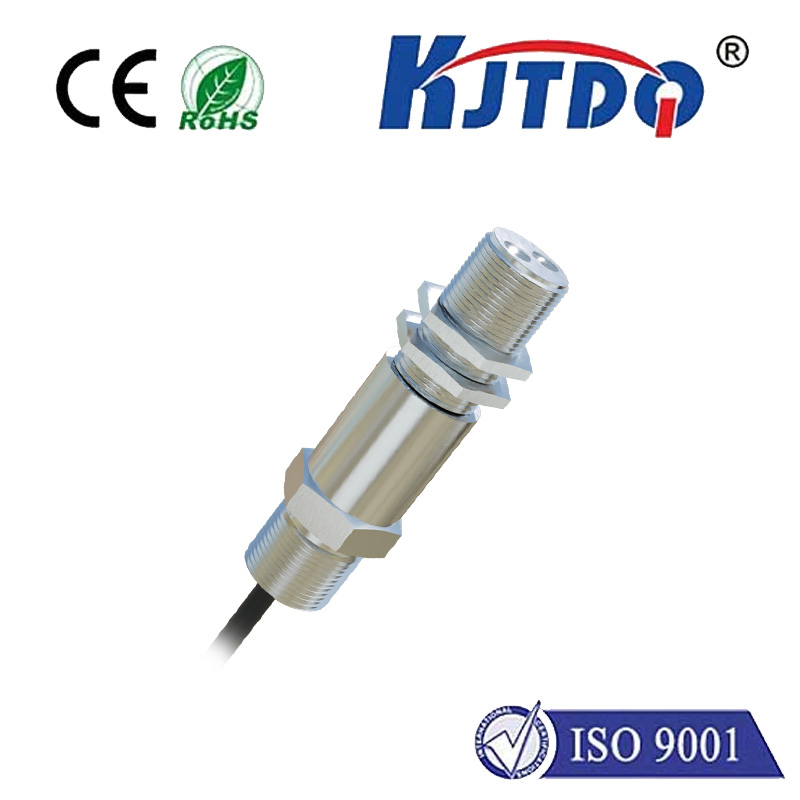
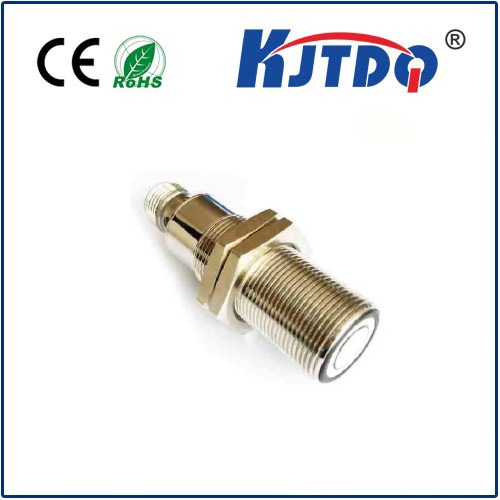
In industrial automation and machinery control, the demand for robust and dependable components is paramount. Among these critical components, the oil tight limit switch stands out as a key player in ensuring operational safety and precision. Designed to withstand challenging conditions, this type of limit switch provides reliable performance even in environments exposed to oils, coolants, dust, and moisture.
The primary function of an oil tight limit switch is to detect the presence or position of an object and send a signal to control machinery. It acts as a safety interlock, preventing equipment from operating outside predefined limits. This is crucial in applications such as manufacturing lines, conveyor systems, and heavy machinery, where unintended movements can lead to costly downtime, equipment damage, or even personnel injuries.
What sets the oil tight limit switch apart is its construction. Typically housed in a sealed enclosure made from durable materials like stainless steel or reinforced thermoplastic, it features gaskets and O-rings that prevent the ingress of liquids and contaminants. This sealing is rated according to standards such as IP67 or NEMA 4, indicating protection against temporary immersion and splashing oils. As a result, these switches maintain consistent functionality in industries like automotive manufacturing, food processing, and marine operations, where exposure to lubricants and washdowns is common.
Installation and maintenance are straightforward, contributing to their widespread adoption. Many models offer versatile mounting options and adjustable actuators, allowing for easy integration into existing systems. Regular checks for seal integrity and contact condition can extend the switch's lifespan, ensuring long-term reliability.
In summary, the oil tight limit switch is an indispensable component for modern industrial setups. By offering durability and precise control in oily or wet conditions, it helps enhance productivity while upholding safety standards. For engineers and facility managers, selecting a high-quality oil tight limit switch means investing in reduced operational risks and improved efficiency.