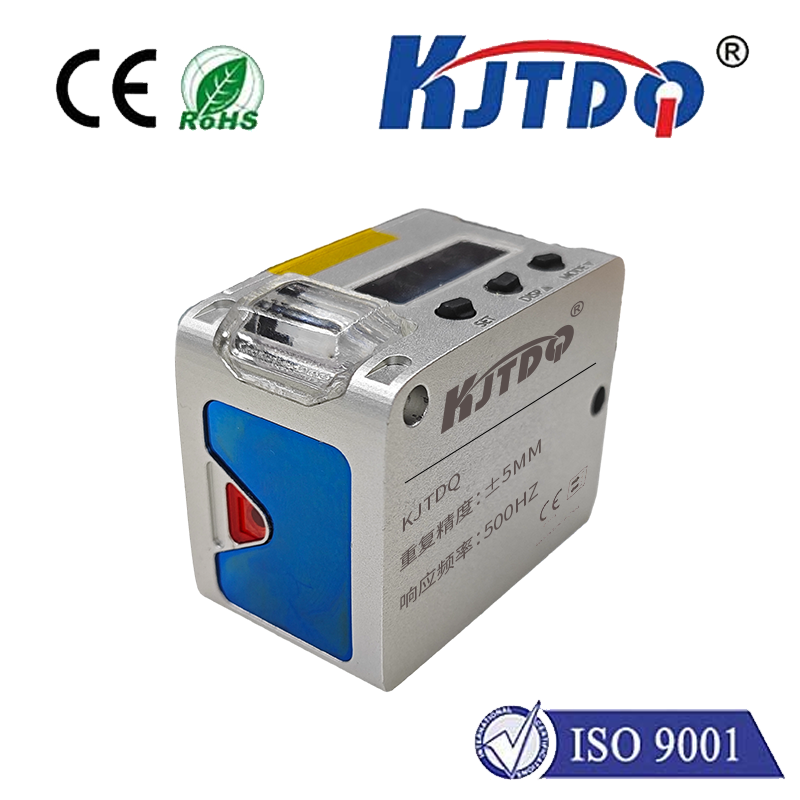
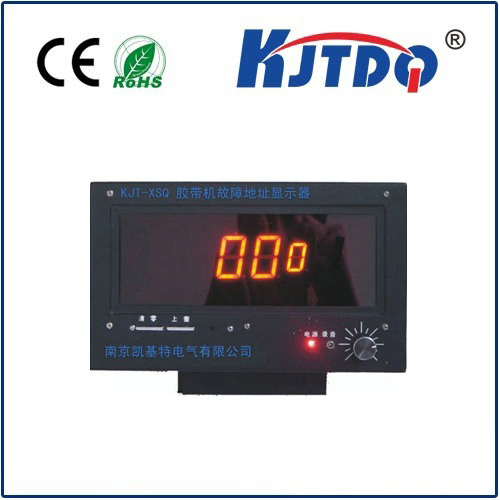
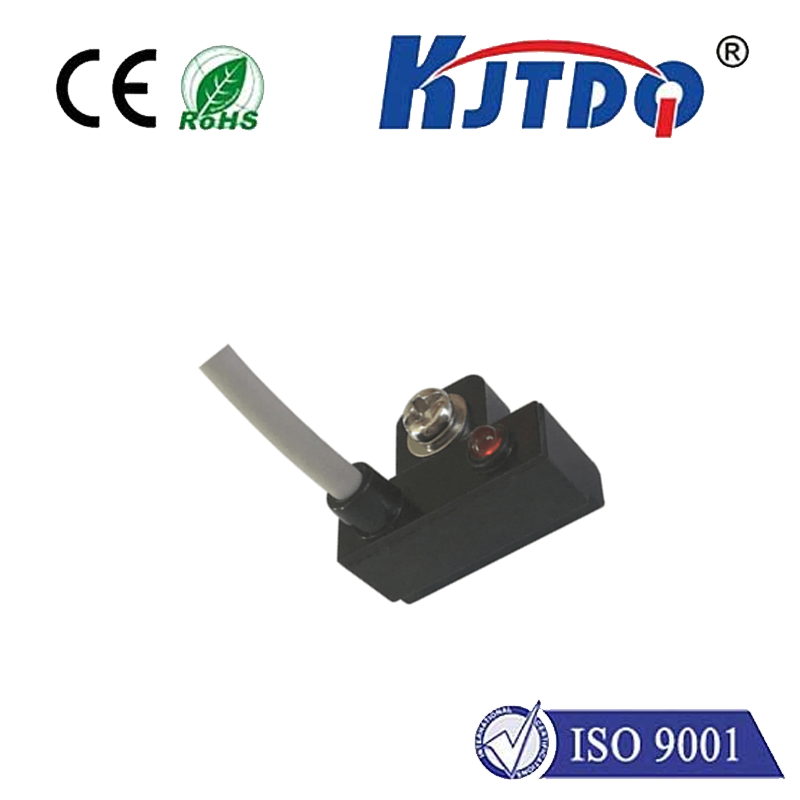
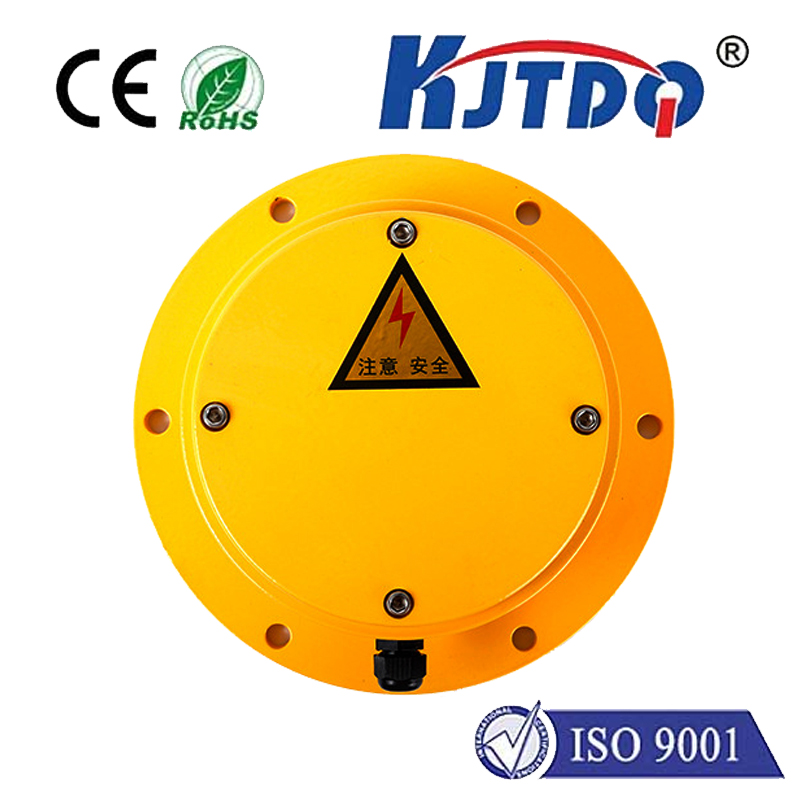
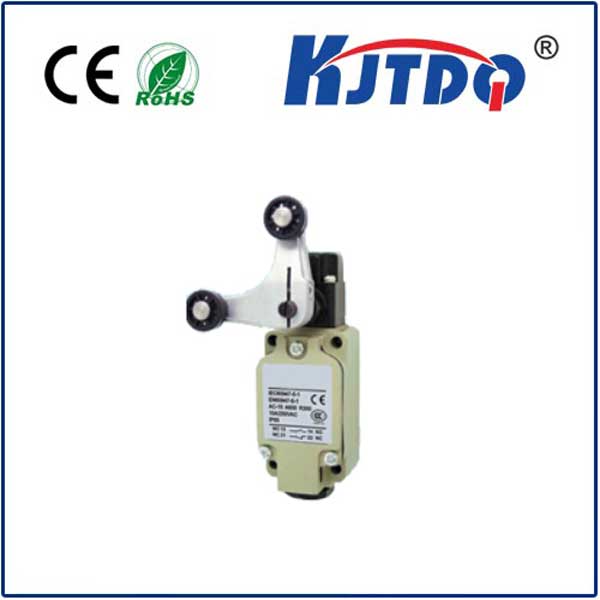
In industrial automation and machinery safety, the over travel limit switch plays a critical yet often understated role. This device is a fundamental component designed to prevent mechanical systems from moving beyond their intended physical boundaries. When a machine part, such as a gate, elevator, or robotic arm, reaches a predetermined endpoint, the over travel limit switch is activated. Its primary function is to send a signal to the control system to halt movement immediately, thereby preventing potential damage to the equipment, avoiding costly production downtime, and most importantly, ensuring the safety of personnel in the vicinity.
The operational principle of an over travel limit switch is elegantly simple. Typically, it consists of an actuator—a lever, roller, or plunger—mechanically linked to an internal set of electrical contacts. As the moving part of the machine makes contact with the actuator, it triggers a change in the state of these contacts. This change interrupts the control circuit or sends a definitive stop command to the motor drive or programmable logic controller (PLC). It acts as a final, physical backup to primary positioning sensors, providing a fail-safe mechanism. In complex systems, multiple limit switches are often deployed: one for the normal operational limit and a separate, redundantly installed over travel limit switch as a last-resort safety measure.
The importance of these switches extends across numerous industries. In material handling, such as on conveyor systems and cranes, they prevent collisions and over-extension. In the automotive manufacturing sector, they safeguard robotic welding and painting arms. Elevators rely heavily on them to ensure the cab stops precisely at floor level and does not crash into the top or bottom of the shaft. Without a properly functioning over travel limit switch, the risk of mechanical failure escalates dramatically. A single instance of a machine overrunning its track or a press descending too far can result in bent components, shattered tools, and catastrophic system breakdowns, leading to repair costs that far exceed the price of the switch itself.
Selecting the right over travel limit switch requires careful consideration of several factors. The environment is paramount; switches may need to be waterproof, dust-tight, or resistant to extreme temperatures, oils, and corrosive chemicals. Durability, measured in mechanical life (number of actuations) and electrical life, is crucial for high-cycle applications. The type of actuator—roller lever for sideways pressure, top-push plunger for direct linear force, or rod-style for specific engagements—must match the machine's motion. Furthermore, the electrical specifications, including voltage, current rating, and contact configuration (normally open or normally closed), must integrate seamlessly with the existing control architecture.
Installation and maintenance are not mere afterthoughts but integral to the switch's reliability. Precise mounting is essential to ensure the actuator is engaged at the exact point where travel must cease. Regular testing and inspection schedules must be implemented to verify that the switch activates correctly and that its contacts are not worn or corroded. In safety-critical applications, this testing is often part of a mandatory safety protocol. Neglecting maintenance can render the switch useless, creating a dangerous false sense of security.
In the evolving landscape of Industry 4.0, the humble over travel limit switch is also becoming smarter. While its core mechanical function remains, it is increasingly being integrated with networked systems. Some modern variants can provide diagnostic feedback, signaling not just an "on/off" state but also reporting potential issues like impending actuator wear or environmental contamination to a central monitoring system. This predictive maintenance capability enhances overall system reliability and safety.
Ultimately, the over travel limit switch embodies a core principle of engineering: designing for failure. It is a dedicated safety component that assumes primary controls might fail and provides a physical barrier against that eventuality. Its value is not in its complexity, but in its unwavering reliability when called upon. For engineers, system integrators, and maintenance professionals, a deep understanding of its function, proper selection, and rigorous upkeep is non-negotiable for safeguarding both valuable capital assets and human lives on the factory floor.