In the intricate world of vertical transportation, safety and reliability are non-negotiable. At the heart of every elevator's control system lies a critical, yet often overlooked component: the elevator limit switch. This device acts as the final, fail-safe guardian, preventing the elevator car from traveling beyond its designated top and bottom limits. Its role is paramount in ensuring passenger safety, protecting mechanical components, and maintaining the seamless operation we often take for granted.
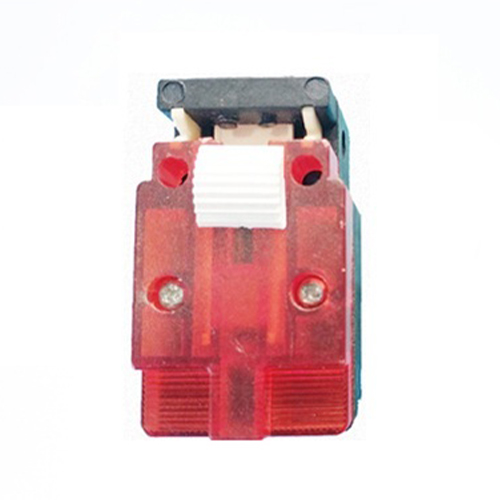
An elevator limit switch is a precision electromechanical device strategically installed in the elevator hoistway. Typically, two switches are used: one for the upper terminal and one for the lower terminal. They are not part of the regular stopping circuit used for floor calls. Instead, they form an independent safety circuit. As the elevator car ascends or descends, a cam or striker plate mounted on the car physically actuates these switches when it approaches the extreme ends of its travel. When activated, the limit switch interrupts the power supply to the elevator drive motor and applies the brake, bringing the car to a controlled stop before it can collide with the hoistway's end structures.
The importance of a properly functioning limit switch cannot be overstated. First and foremost, it prevents overtravel, which could lead to catastrophic events like the car crashing into the overhead sheave beams or the pit floor. This directly safeguards passengers and maintenance personnel. Secondly, it protects the elevator's physical structure. Preventing such collisions avoids severe damage to the car, counterweight, guide rails, and other expensive components, thereby reducing costly repairs and downtime. Furthermore, modern limit switches often work in tandem with final terminal stopping switches, creating a two-tiered safety system for an added layer of protection.
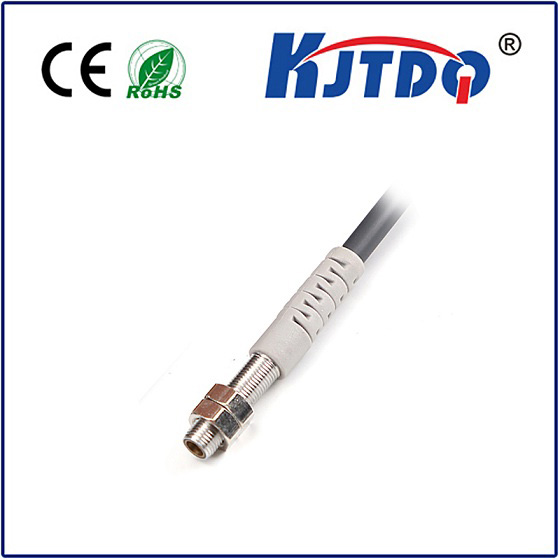
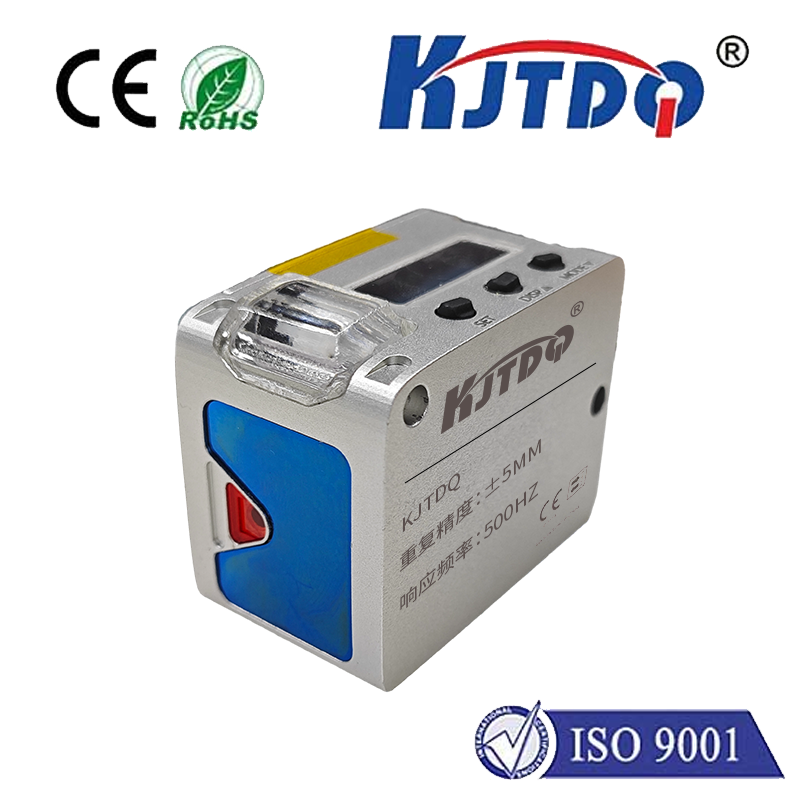
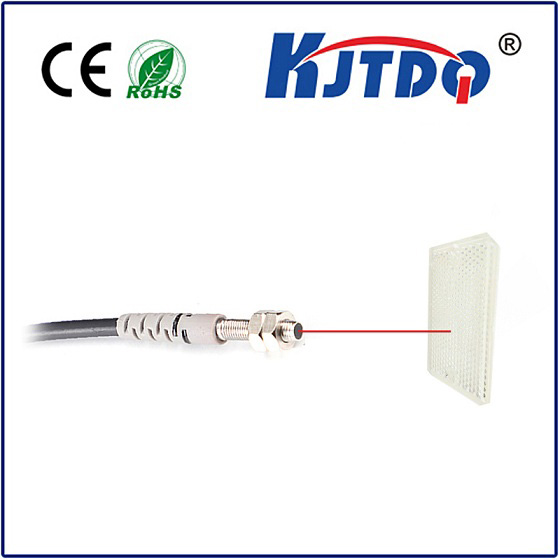
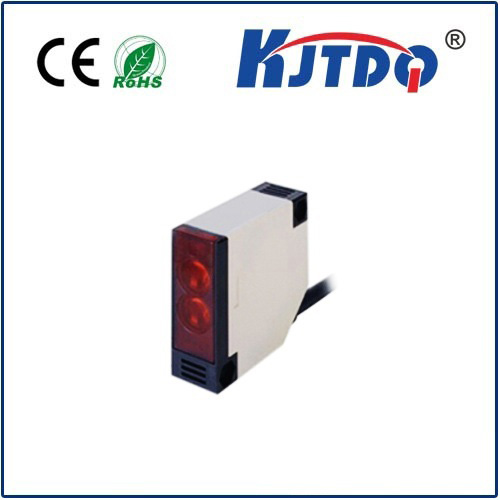
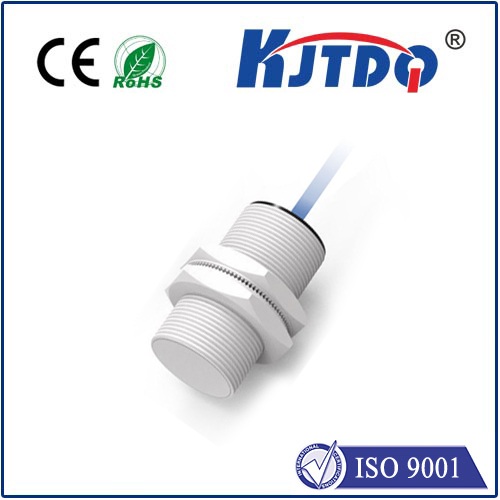
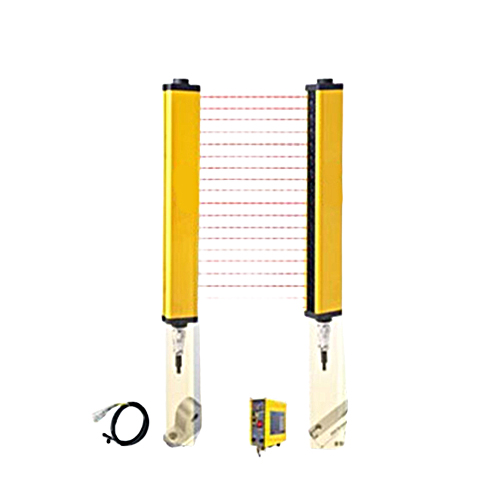
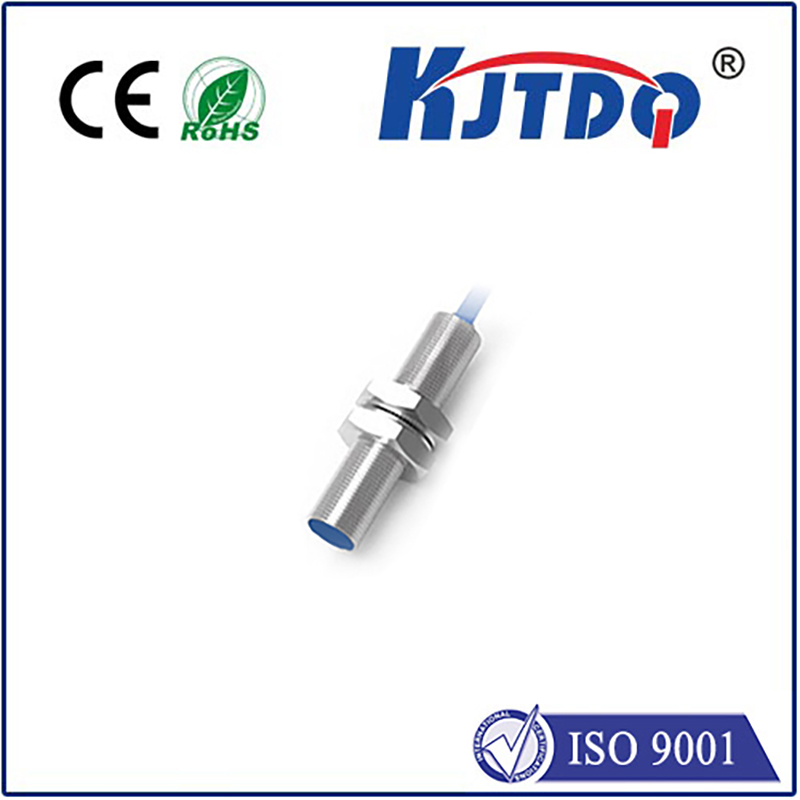
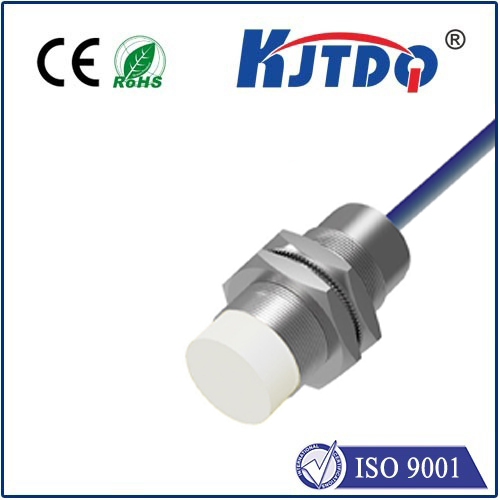
Several types of limit switches are employed in elevators, each suited to specific applications and precision requirements. Traditional mechanical lever-arm switches are robust and common, activated by physical contact. Plunger-type switches offer a compact design. Increasingly, non-contact sensors like magnetic proximity switches or photoelectric sensors are being adopted. These "solid-state" switches have no moving parts to wear out, offering higher reliability, longer lifespan, and greater precision in positioning, which is crucial for modern high-speed elevators.
Selecting the right limit switch involves careful consideration. Factors include the elevator's speed, travel height, duty cycle, and the required level of safety integrity. The switch must be rated for the electrical load of the control circuit and built to withstand the elevator environment—vibrations, temperature fluctuations, and potential dust or moisture. Regular inspection and testing are mandatory parts of any elevator maintenance regimen. Technicians check for physical wear, corrosion, proper alignment, and secure mounting. The switch's operation must be tested periodically to ensure it activates at the correct position and reliably breaks the safety circuit.
The consequences of a failed or poorly maintained limit switch are severe. Beyond the immediate safety hazard, it can lead to regulatory violations, forced shutdowns by safety inspectors, significant liability issues, and a complete loss of public trust in the building's management. Proactive maintenance and timely replacement of aging switches are far more economical than dealing with the aftermath of a failure.
In conclusion, the elevator limit switch is a quintessential example of a simple device performing a vital safety function. It operates silently in the background, a sentinel ensuring every journey from lobby to penthouse and back is secure. For building owners, facility managers, and elevator technicians, understanding, specifying, and maintaining high-quality limit switches is not just a technical requirement—it is a fundamental responsibility for safety. As elevator technology advances with smarter control systems, the core purpose of the limit switch remains unchanged: to be the unwavering guardian that defines the absolute boundaries of safe travel.