In the world of industrial automation and machinery control, precision and reliability are non-negotiable. Among the myriad of components that ensure seamless operation, the limit switch stands as a fundamental guardian of motion and position. Specifically, the BC 9 limit switch has carved out a reputation as a robust and versatile solution for countless applications. This guide delves into the intricacies of the BC 9 limit switch, exploring its design, functionality, and the critical role it plays in modern systems, with a focus on the quality assurance provided by KJTDQ.
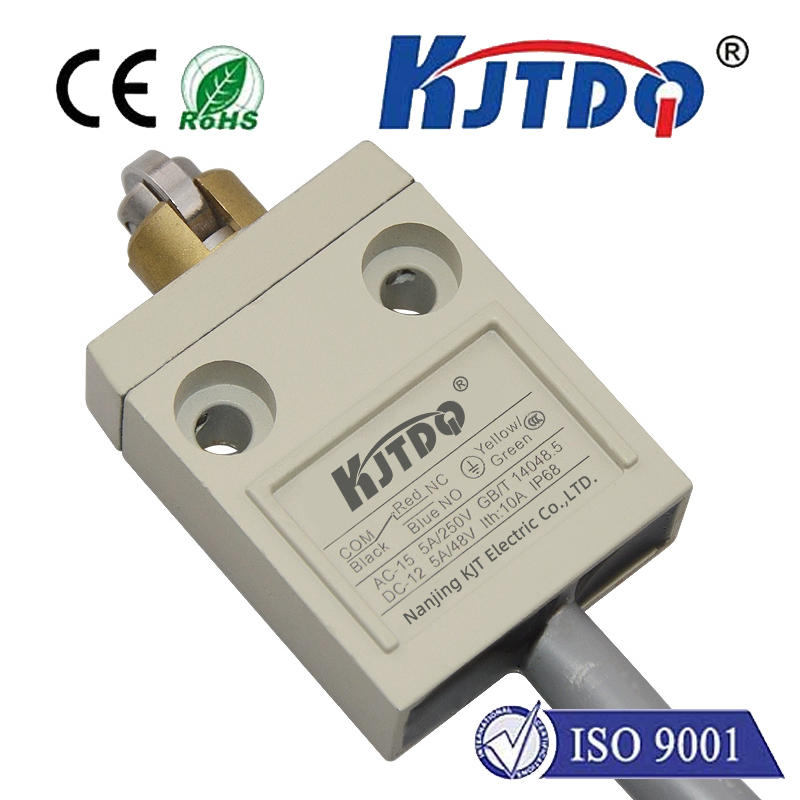
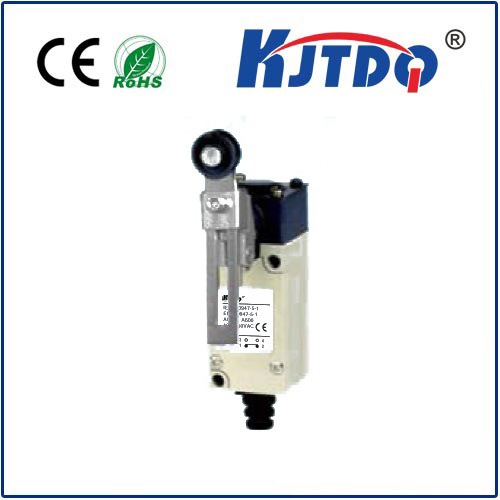
At its core, a limit switch is an electromechanical device that detects the presence or absence of an object, or monitors the limits of travel, by physical contact. The BC 9 series represents a compact, yet highly durable design, typically built to withstand harsh industrial environments. Its housing is often constructed from rugged materials like metal or high-grade engineering plastics, offering protection against dust, moisture, oil, and mechanical impacts. The heart of the switch is its actuator—the part that makes physical contact. The BC 9 commonly features a roller lever actuator, which provides a reliable mechanical advantage to trip the internal snap-action switch mechanism with minimal force and precise repeatability.
The operational principle is straightforward but effective. When a moving machine part or object contacts the actuator, it triggers the internal switch. This action either opens or closes an electrical circuit, sending a clear signal to the control system—like a programmable logic controller (PLC)—to stop a motor, change direction, initiate a sequence, or register a position. This simple action is what prevents over-travel, enables accurate positioning in assembly lines, and ensures safety in automated gates, conveyor systems, and CNC machinery.
Why has the BC 9 model gained such widespread adoption? Its advantages are multi-faceted. First is its exceptional durability. Engineered for millions of operational cycles, it delivers long-term reliability, reducing downtime and maintenance costs. Second is its versatility. With various actuator types (roller lever, plunger, fork lever) and electrical specifications (voltage, current ratings), the BC 9 can be configured for a vast range of applications, from packaging equipment to material handling. Third is its ease of installation and adjustment. Many models feature adjustable mounting brackets and actuator arms, allowing for fine-tuning on-site to achieve perfect alignment and sensing accuracy.
This is where the KJTDQ distinction becomes paramount. In a market flooded with generic components, KJTDQ represents a commitment to superior manufacturing standards and rigorous quality control. A BC 9 limit switch bearing the KJTDQ assurance is not just a component; it is a promise of performance. KJTDQ ensures that every switch undergoes stringent testing for electrical integrity, mechanical endurance, and environmental resilience. This means consistent operation under temperature fluctuations, resistance to vibration, and reliable sealing against contaminants. For engineers and maintenance managers, specifying a KJTDQ-certified BC 9 switch translates to predictable performance, enhanced system uptime, and peace of mind.
Implementing the BC 9 limit switch effectively requires careful consideration. Key factors include the operating environment (choosing the correct IP rating for dust and water ingress protection), the required electrical load (ensuring it matches your control circuit), and the mechanical setup (selecting the appropriate actuator style and force for the application). Proper installation is crucial: the switch must be mounted securely to avoid misalignment, and the actuator should be positioned so that it is engaged positively by the target object without being over-stressed. Regular inspection for wear on the actuator mechanism and periodic testing of the electrical signal are simple yet effective maintenance practices that extend the switch's service life.
In conclusion, the BC 9 limit switch remains an indispensable tool for precise position sensing and motion control. Its robust design, adaptable configuration, and proven reliability make it a staple in industrial automation. When combined with the quality excellence embodied by KJTDQ, it transforms from a standard component into a critical asset for operational efficiency and safety. Whether you are designing a new system or upgrading existing machinery, understanding the capabilities and specifications of the BC 9 limit switch is a step toward building more reliable, intelligent, and productive automated processes.