In the world of automation and precise mechanical movement, the synergy between a stepper motor and a limit switch is fundamental. A stepper motor provides controlled, discrete rotational steps, making it ideal for applications requiring exact positioning. However, to define the boundaries of this movement and ensure system safety and repeatability, the integration of a limit switch becomes critical. This combination forms the backbone of countless systems, from 3D printers and CNC machines to robotic arms and automated staging equipment.
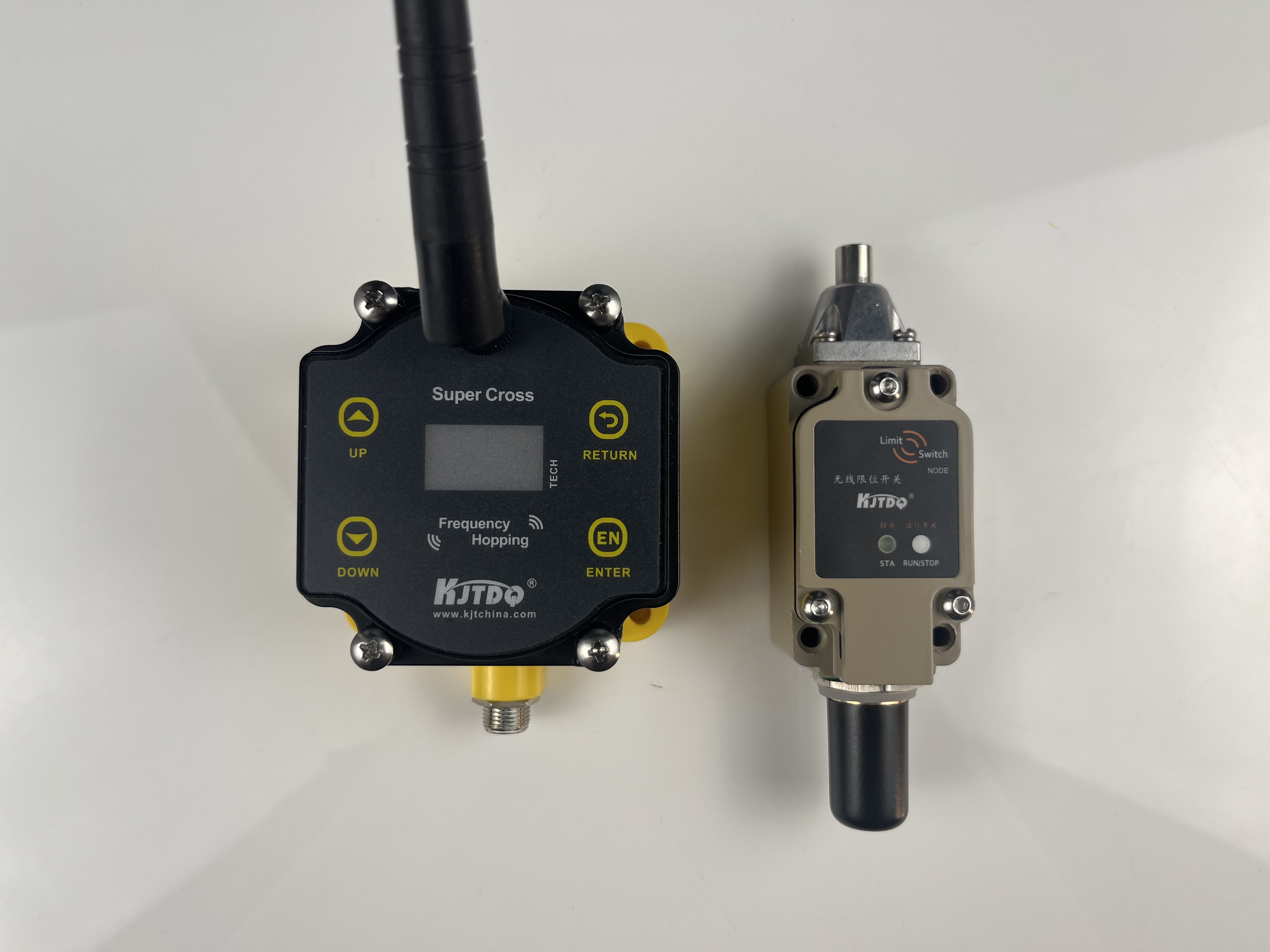
A limit switch, in its essence, is an electromechanical device that detects the presence or absence of an object, or monitors the position of a machine part. When the moving part of a machine contacts the actuator lever of the switch, it triggers a change in the switch's electrical contacts. This signal is then sent back to the motor controller or a programmable logic controller (PLC). In the context of a stepper motor system, this signal is most commonly used to halt the motor's motion or to define a "home" or reference position.
The primary role of the limit switch in a stepper motor setup is to establish hard limits. These are physical endpoints beyond which the motor should not travel. For instance, in a linear slide driven by a stepper motor, one limit switch would be placed at each end of the track. If the motor attempts to drive the carriage beyond the intended range—perhaps due to a software error or a missed step—the limit switch is activated. This immediate feedback tells the controller to cut power to the motor or command it to stop, thereby preventing mechanical damage, such as stripping gears, bending lead screws, or crashing components.
Beyond just emergency stops, limit switches are indispensable for homing sequences. A stepper motor operates on relative positioning; it knows how many steps it has taken from a starting point, but it doesn't inherently know where that starting point is in physical space. During a homing routine, the controller directs the motor to move slowly in one direction until it triggers the "home" limit switch. This action establishes an absolute zero reference point. All subsequent movements are calculated from this known position, ensuring long-term accuracy and eliminating cumulative positional drift.
Selecting the right limit switch for a stepper motor application involves several considerations. The operating environment is key. For dusty or wet conditions, a sealed, IP-rated switch is necessary. The mechanical life expectancy, often rated in millions of cycles, must match the application's demands. The actuator type—roller lever, plunger, or whisker—should be chosen based on the direction and nature of the contact from the moving part. Furthermore, the electrical specifications, such as voltage, current rating, and contact configuration (normally open or normally closed), must be compatible with the motor driver and control circuitry.
The implementation strategy is equally important. Engineers often employ a "fail-safe" wiring approach, typically using the normally closed (NC) contact configuration for limit switches in safety-critical roles. In a normally closed circuit, if the wire breaks or becomes disconnected, the circuit opens, simulating a limit switch activation and stopping the motor. This design enhances system safety. Noise immunity is another crucial factor, as stepper motor drivers can generate electrical noise. Using shielded cables for switch signals and incorporating filtering in the controller can prevent false triggering.
The practical benefits of integrating a reliable limit switch with a stepper motor are substantial. It dramatically improves system reliability by preventing over-travel accidents. It enhances operational safety for both the equipment and nearby personnel. It simplifies software logic by providing clear, physical feedback for calibration routines. Ultimately, this integration reduces maintenance costs and downtime while ensuring the precision that stepper motors are chosen for in the first place is consistently maintained.
From sophisticated laboratory instruments to robust industrial packaging lines, the partnership between the stepper motor and the limit switch is a testament to simple, effective engineering. It bridges the digital control world with physical boundaries, creating systems that are not only intelligent but also inherently safe and dependable. Ensuring a correct selection, proper installation, and routine maintenance of both components is the definitive step towards achieving seamless and precise automated motion.