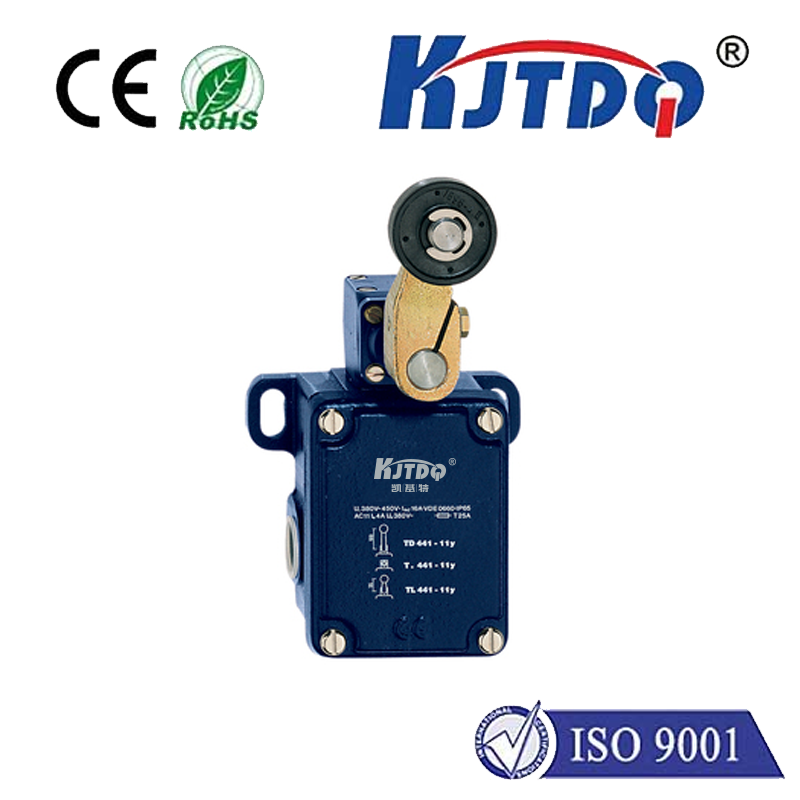
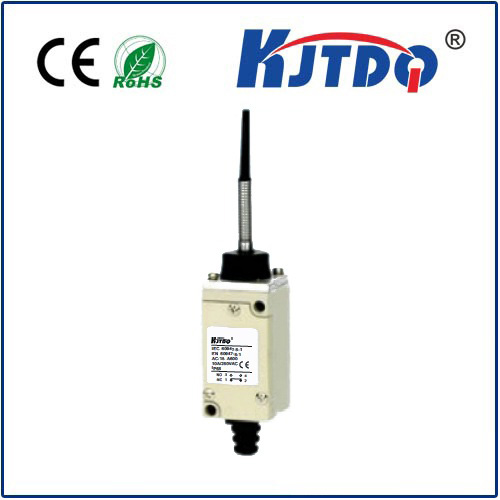
Limit switches are fundamental components in electrical and industrial control systems, acting as sensors to detect the presence or absence of an object or to monitor the position of a machine part. Their integration into circuit simulation software like Proteus is crucial for engineers, students, and hobbyists to design, test, and validate control systems virtually before physical implementation. This article explores the practical application of limit switches within the Proteus Design Suite, a powerful tool for simulating electronic and microcontroller-based circuits.
Proteus, developed by Labcenter Electronics, is renowned for its mixed-mode SPICE simulation and the ability to co-simulate microcontroller firmware alongside hardware. This makes it an ideal environment for prototyping control logic that involves electromechanical components like limit switches. In a typical simulation, a limit switch is represented as a simple mechanical switch component. However, its behavior is modeled to respond to virtual physical interactions. For instance, you can simulate a motor control circuit where a limit switch stops a motor when a moving part, represented by an animated model or a voltage threshold, triggers it.
The process begins in the Proteus ISIS schematic capture module. Designers can find limit switch components in the library under categories like "Switches & Relays." Placing the switch is straightforward: it is connected into the control circuit just as a physical switch would be. The real power lies in configuring its interaction. For a simple demonstration, one might design a circuit where a limit switch controls an LED or a relay. When the switch is "pressed" in simulation (by manually toggling its state or linking it to an animated model's movement), the circuit reacts—turning the LED on or off, energizing the relay, or sending a signal to a microcontroller pin.
For more advanced and realistic simulations, especially those involving automated machinery, the interaction between the limit switch and a moving part must be defined. Proteus allows for this through its animation and voltage control capabilities. A common method is to use a voltage source or a potentiometer to simulate the position of a mechanical actuator. The limit switch can be set to change state when this simulated voltage crosses a certain threshold, effectively mimicking the physical contact of an object with the switch's actuator arm. This setup is invaluable for debugging ladder logic for PLCs or code for microcontrollers like Arduino or PIC, which are often programmed to respond to limit switch inputs to halt motors, change direction, or initiate the next step in a sequence.
A significant advantage of using Proteus for limit switch circuit design is the ability to catch logical errors and timing issues early. Without simulation, a flawed design might lead to equipment damage or safety hazards in a real-world setup. In Proteus, you can observe the exact moment a switch triggers, monitor the subsequent signal propagation through the circuit, and verify that the microcontroller's firmware responds correctly—all in a risk-free, virtual environment. This iterative testing saves considerable time and resources.
Furthermore, integrating limit switches with microcontrollers in Proteus highlights the software's strength. You can write code (e.g., in C for an Arduino simulation) to read the digital input from the simulated limit switch. The simulation runs the actual compiled firmware, showing how the software and hardware interact in real-time. This co-simulation feature is a game-changer for developing embedded systems for automation, robotics, or home appliances where limit switches provide critical positional feedback.
In conclusion, mastering the use of limit switches in Proteus is an essential skill for anyone involved in control system design. It bridges the gap between theoretical circuit diagrams and functional, reliable physical systems. By leveraging Proteus's simulation capabilities, designers can ensure their limit switch implementations are robust, their control logic is sound, and their final products operate as intended, all while adhering to the highest standards of safety and efficiency. The virtual prototyping process demystifies the behavior of these simple yet vital components, fostering innovation and precision in electronic design.