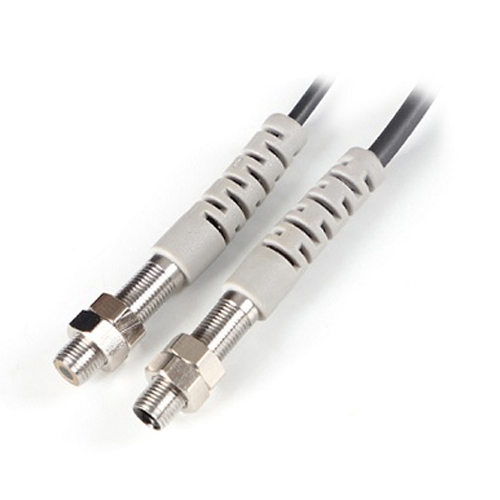
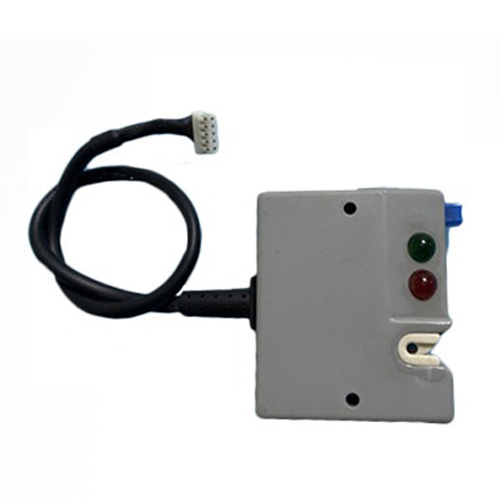
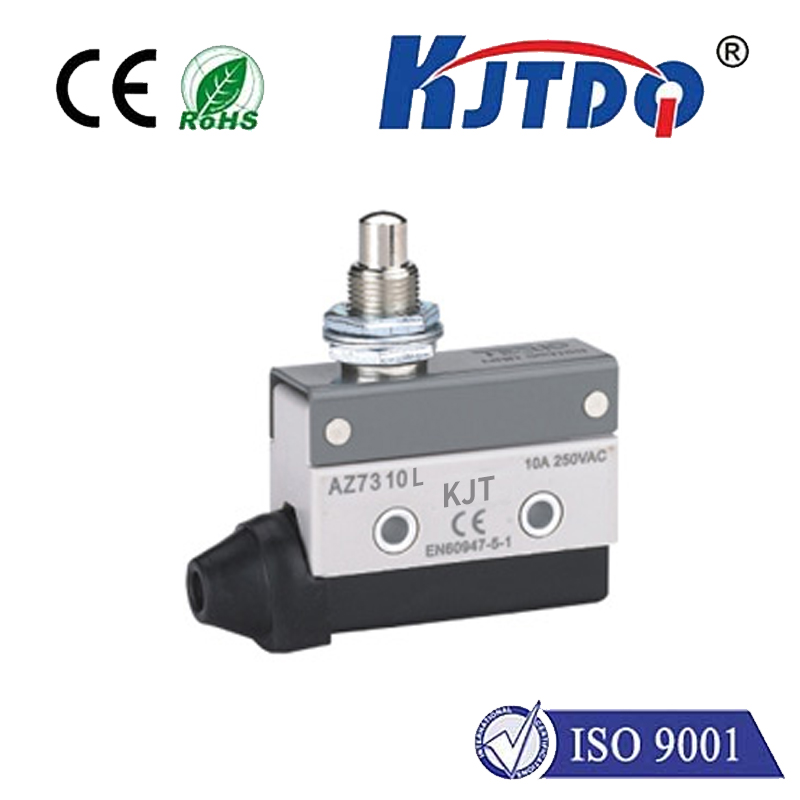
In the intricate world of automotive electronics, the smooth and reliable operation of power windows is often taken for granted. Behind this seamless convenience lies a critical, yet frequently overlooked component: the power window limit switch. This small but mighty device plays a pivotal role in both the functionality and safety of modern vehicle window systems. Its primary function is to precisely control the travel of the window glass, automatically stopping the motor when the window reaches its fully open or fully closed position. Without this essential switch, a window could continue to drive beyond its intended limits, potentially causing damage to the regulator mechanism, straining the motor, or even posing a safety hazard to passengers.
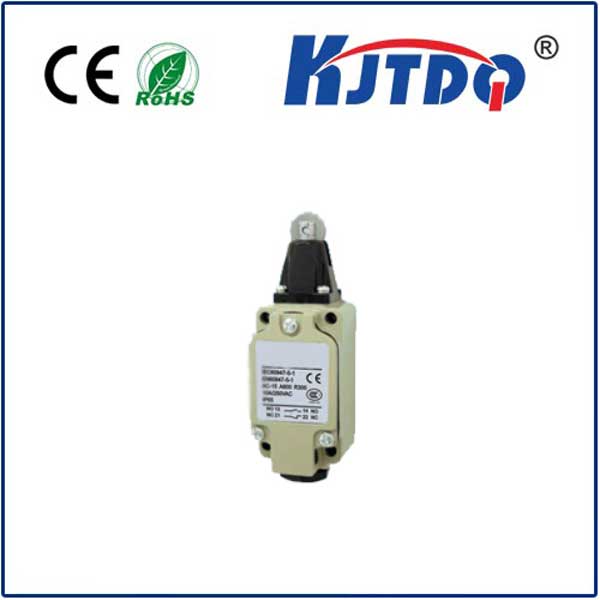
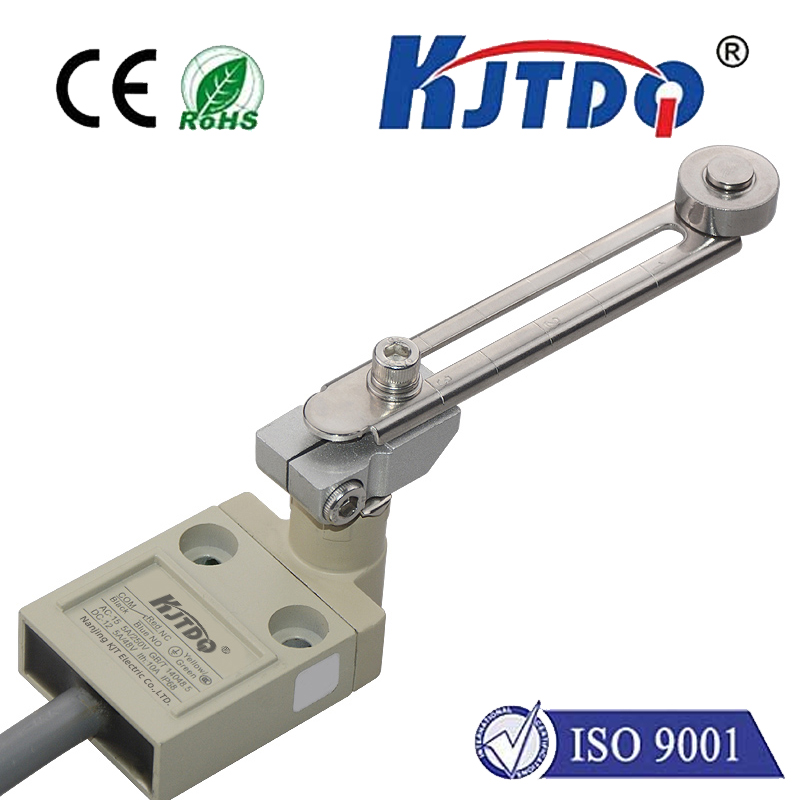
The operational principle of a power window limit switch is elegantly straightforward. Typically integrated into the window regulator assembly or the motor itself, it acts as a sentinel. As the window glass moves, it triggers the switch at predetermined points in its travel path. Upon activation, the switch interrupts the electrical circuit powering the window motor, bringing movement to an immediate and precise halt. This not only prevents mechanical overtravel but also eliminates the need for the driver to guess the exact moment to release the switch, enhancing user convenience. Modern vehicles often employ Hall-effect sensors or micro-switches for this purpose, offering high durability and accurate positional feedback.
From a safety perspective, the importance of a properly functioning limit switch cannot be overstated. It is a fundamental part of the system that prevents entrapment. In conjunction with anti-pinch features, the limit switch helps define the window's operational boundaries, ensuring that if an obstruction is detected, the window will reverse direction. This is crucial for preventing injuries, particularly to children. Furthermore, a faulty limit switch can lead to a window being stuck in an open or closed position, compromising vehicle security and exposing occupants to the elements. Symptoms of a failing switch include windows that do not stop at the correct positions, reverse unexpectedly, or require constant manual pressure on the switch to operate.
For automotive engineers and technicians, selecting and maintaining a high-quality power window limit switch is paramount. These components are designed to withstand harsh environmental conditions, including extreme temperatures, moisture, dust, and constant vibration over the vehicle's lifespan. When a replacement is necessary, it is critical to choose an OEM-specified or equivalent part to ensure compatibility and reliability. Installation requires careful attention to alignment and calibration to guarantee the window stops at the exact correct points. Regular maintenance of the window tracks and mechanism can also reduce undue stress on the switch, prolonging its service life.
Looking ahead, the role of the power window limit switch is evolving alongside automotive technology. In vehicles with advanced automation and comfort features, such as one-touch up/down operations and remote window control via smart keys, the accuracy of the limit switch becomes even more critical. It provides the essential positional data that these smart systems rely upon. As the industry moves towards more integrated electronic control units (ECUs), the humble limit switch will continue to be an indispensable interface between mechanical movement and digital control, ensuring that the simple act of raising or lowering a window remains safe, precise, and utterly reliable for years to come.