Проверка
Проверка
Проверка
Проверка
Проверка
Проверка
In the world of precision manufacturing, every micron counts. The relentless pursuit of accuracy and repeatability drives the industry forward, and at the heart of this quest lies the humble yet critical component: the limit switch. For CNC (Computer Numerical Control) machines, the proper implementation and optimization of CNC limit switches are not merely a technical detail; they are the fundamental guardians of operational integrity, machine safety, and production quality. This is where specialized solutions, such as those engineered under the KJTDQ brand, become indispensable partners for machinists and workshop managers aiming to push their equipment to its peak performance.
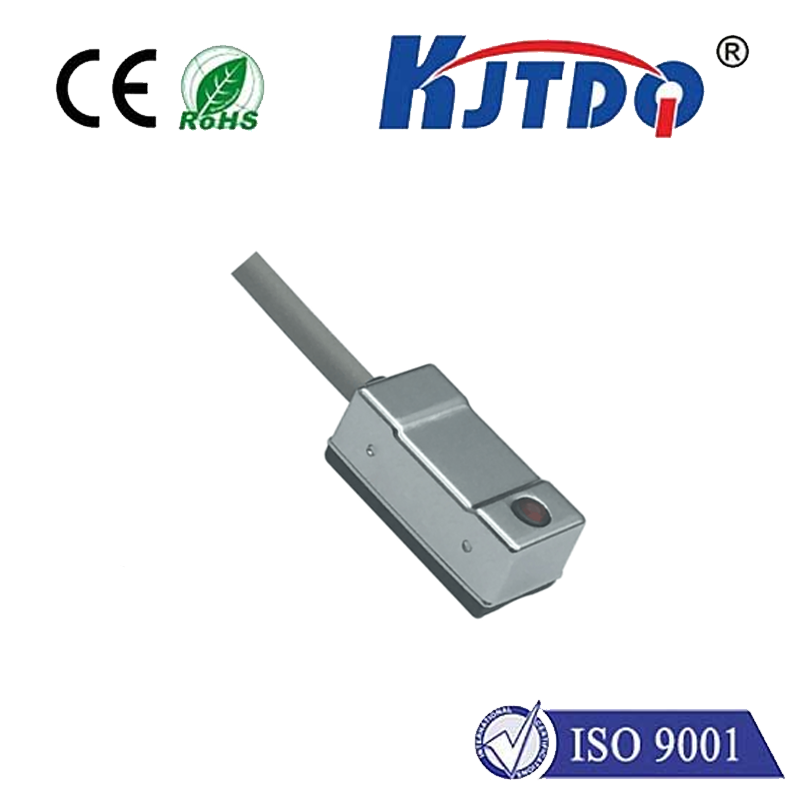
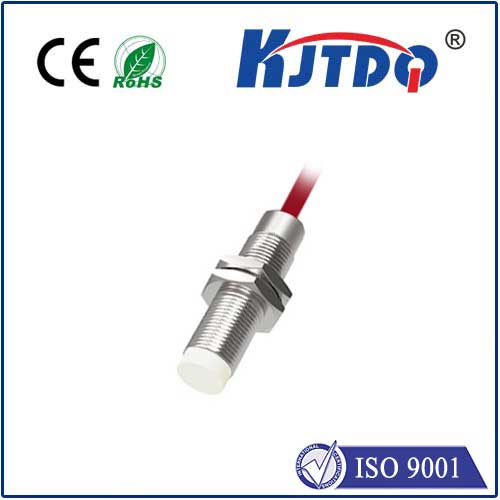
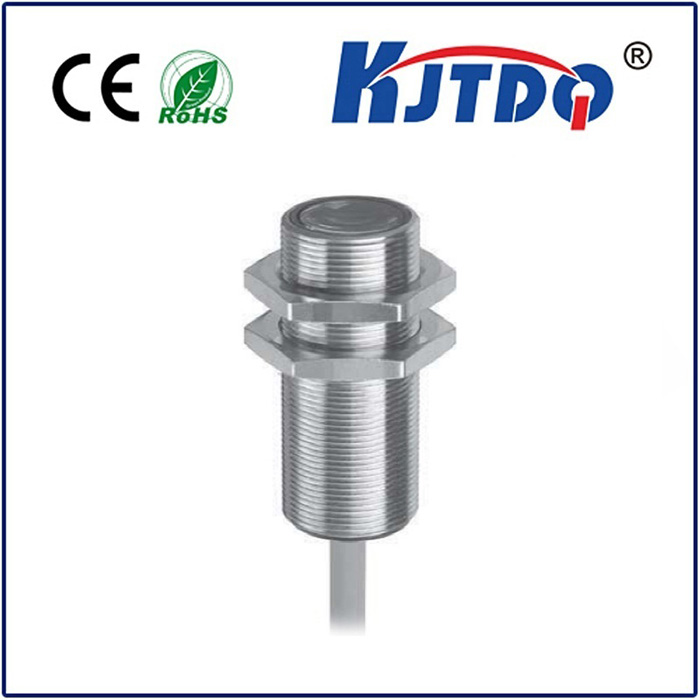
A CNC limit switch serves as a sentinel, defining the physical boundaries of a machine's moving parts. It is an electromechanical device that detects the presence or absence of an object, or monitors the position of a machine axis, and sends a corresponding signal to the control unit. When a machine component, like a milling head or lathe carriage, reaches a predetermined point, it triggers the switch. This action halts or reverses the motion, preventing over-travel that could lead to catastrophic collisions, damage to expensive tooling, or the workpiece itself. Beyond crash prevention, these switches enable precise homing sequences, ensuring the machine starts every operation from a known, accurate zero point. They also facilitate complex automated routines by signaling the completion of one movement stage, allowing the next to begin seamlessly.
However, not all limit switches are created equal. The harsh environment of a machine shop presents significant challenges: constant vibration, pervasive coolant mists, airborne metal chips, and temperature fluctuations. A standard switch may falter under these conditions, leading to false triggers, missed signals, or premature failure. The consequences are costly: unplanned downtime, scrapped parts, and compromised safety. This vulnerability underscores the need for robust, purpose-built solutions designed to withstand the rigors of industrial automation.
Implementing a high-reliability limit switch system, like those offered by KJTDQ, transforms machine performance. These switches are typically engineered with hardened actuators, sealed housings rated for dust and liquid ingress protection, and durable electrical contacts. The result is unwavering signal integrity. For a CNC operator, this translates directly to enhanced confidence. Programs can run unattended for longer periods, complex multi-axis movements are executed with trust, and the machine maintains its calibration over extended production runs. This reliability is the bedrock of maximizing uptime and achieving consistent, high-tolerance outputs. It allows businesses to take on more demanding contracts, knowing their machinery's physical limits are securely and intelligently managed.
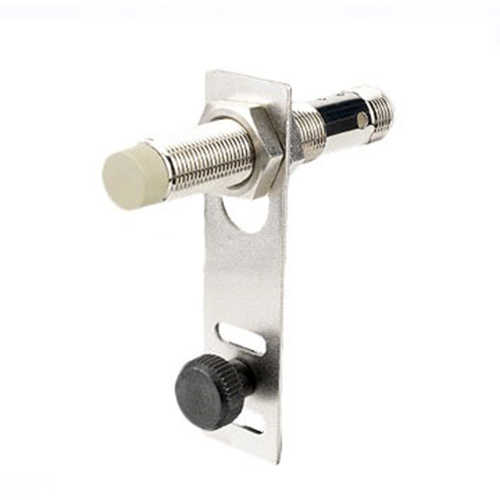
The strategic selection and placement of these switches are as crucial as their quality. Best practices involve a thorough analysis of the machine's kinematic chain. Critical points include the extremes of each linear axis (X, Y, Z) and, in more advanced setups, rotational axes. Redundancy is often wise; using two switches in a "hard" and "soft" limit configuration provides an extra layer of protection. The soft limit, triggered first, initiates a controlled deceleration, while the hard limit acts as an absolute final stop. Proper mounting, secure wiring routed away from moving parts and interference sources, and regular functional checks are essential maintenance routines that preserve system integrity.
Looking forward, the role of the limit switch is evolving alongside smart manufacturing trends. While their core mechanical function remains, integration with Industrial Internet of Things (IIoT) platforms is becoming a frontier. Modern switches with diagnostic capabilities can communicate not just a simple on/off state but also data on actuation count, environmental conditions, and predicted wear. This shift from simple protection to predictive maintenance is powerful. It enables a transition from reactive fixes—replacing a switch after it fails—to proactive scheduling of service during planned maintenance windows, further eliminating disruptive downtime.
For any operation relying on CNC machinery, viewing limit switches as a critical capital investment rather than a disposable component is a strategic shift. Partnering with a specialized provider ensures access to products designed for durability, precision, and compatibility with a wide range of machine models and control systems. This partnership supports not just the protection of physical assets but also the safeguarding of productivity, reputation, and bottom-line profitability. In the precise dance of metal cutting, where speed and accuracy are paramount, a superior limit switch system provides the unwavering guardrails that allow innovation and efficiency to flourish without fear of overstep.