Проверка
Проверка
Проверка
Проверка
Проверка
Проверка
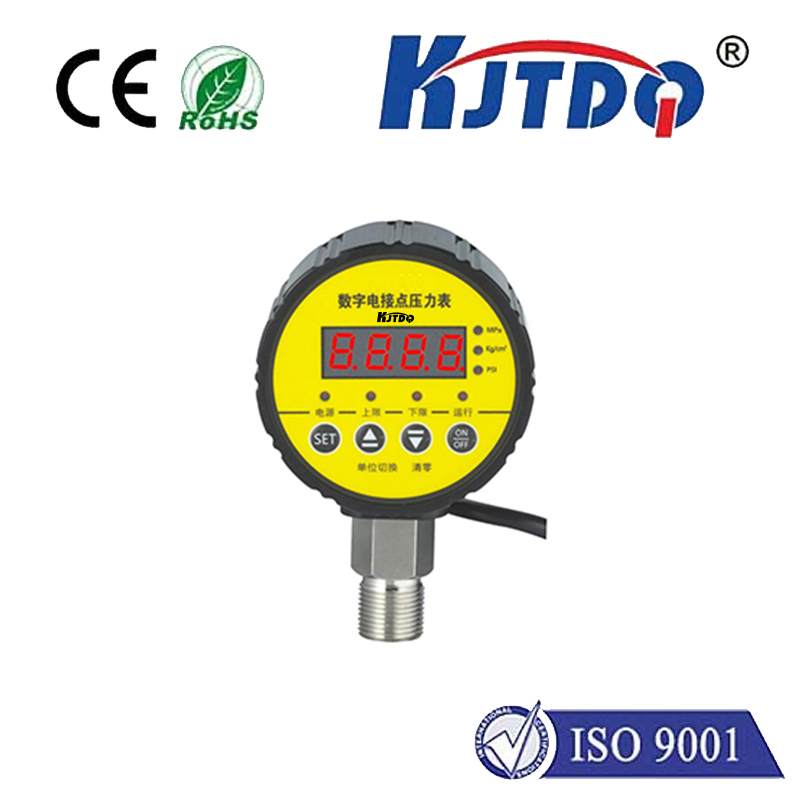
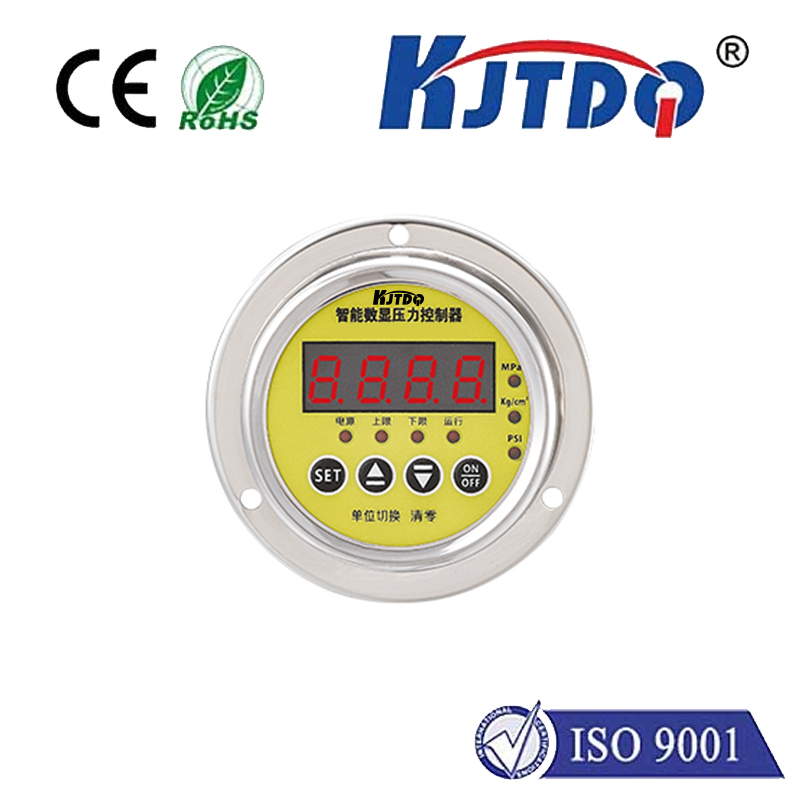
In the complex world of industrial automation and HVAC systems, the reliability of safety components is non-negotiable. Among these critical components, the high limit pressure switch stands as a fundamental guardian, designed to monitor and control system pressure to prevent catastrophic failures. The KJTDQ series of high limit pressure switches represents a pinnacle of this technology, engineered for precision, durability, and unwavering safety.
A high limit pressure switch is an electromechanical device that automatically opens or closes an electrical circuit when a predefined fluid or gas pressure level is reached. Its primary function is to act as a safety sentinel. When pressure within a system—such as a boiler, compressor, refrigeration unit, or hydraulic press—exceeds a safe operating threshold, the switch triggers. This action typically shuts down the equipment or activates an alarm, preventing conditions that could lead to equipment damage, process shutdowns, or even hazardous situations like explosions or leaks.
The operational principle is elegantly straightforward yet robust. Inside the switch, a pressure-sensing element, often a diaphragm or piston, reacts to the system pressure. This element is connected to a mechanical spring mechanism calibrated to a specific set point. As pressure increases and overcomes the spring's tension, it actuates a snap-action switch, abruptly changing the electrical state. This "snap" action ensures a clean, definitive break or make in the circuit, avoiding arcing and unreliable "teasing" of the contacts that can occur with slow movements. The high limit setting is fixed and non-adjustable in many safety-critical models, ensuring it cannot be tampered with or accidentally altered, thus guaranteeing the integrity of the safety function.
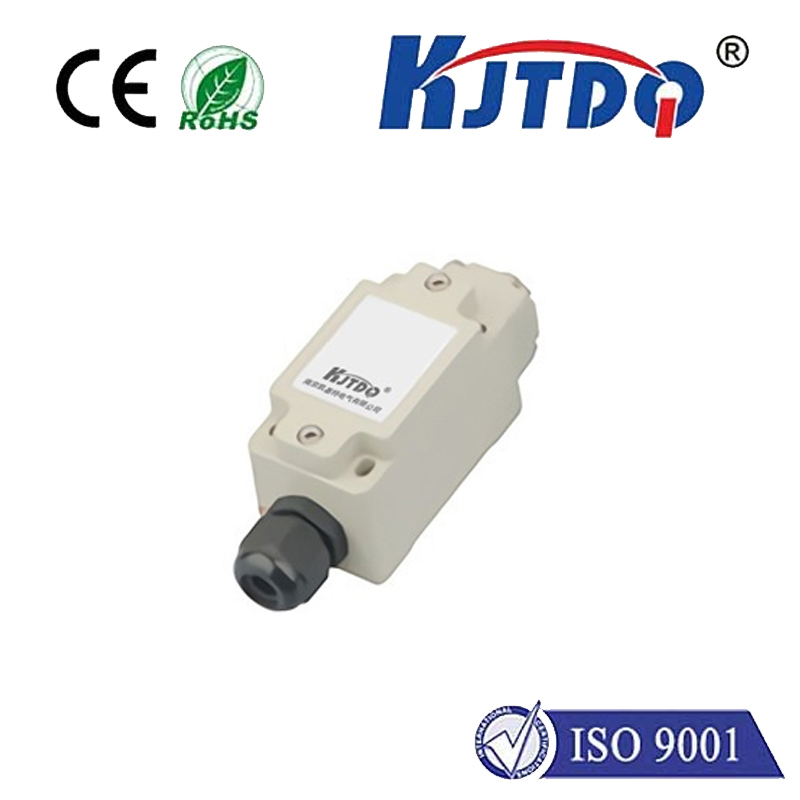
The KJTDQ series incorporates advanced materials and design features to meet the rigorous demands of modern industry. Constructed with corrosion-resistant housings from materials like stainless steel or high-grade polymers, these switches withstand harsh environments involving moisture, chemicals, and temperature extremes. The internal sensing elements are precision-engineered for long-term stability and minimal drift, meaning the trip point remains accurate over thousands of cycles and years of service. Furthermore, KJTDQ switches often feature clearly marked electrical terminals, conduit entries for secure wiring, and a variety of pressure port connections (e.g., NPT, G-thread) to ensure seamless integration into diverse system architectures.
The applications for a reliable high limit pressure switch like the KJTDQ are vast. In heating systems, it prevents boilers from operating at dangerously high pressures. In refrigeration and air conditioning, it protects compressors from damage due to excessive head pressure. In manufacturing, it safeguards hydraulic and pneumatic machinery. Its role is purely protective; it is the last line of defense, intervening only when normal operating controls have failed. This makes its reliability absolutely paramount.
Selecting the right high limit pressure switch requires careful consideration of several parameters. The set point or trip pressure is the most obvious, but the pressure range, proof pressure (maximum pressure without damage), burst pressure, and media compatibility (what fluid or gas it will contact) are equally critical. Electrical ratings for voltage, current, and switch type (SPDT, SPST) must match the control circuit requirements. Environmental factors such as ambient temperature and ingress protection (IP) rating also guide the selection. The KJTDQ series typically offers a range of models to cover these variables, providing engineers with a trusted solution.
Installation and maintenance, while simple, must be performed with diligence. The switch should be installed at a point in the system that accurately reflects the pressure needing monitoring, often on a dedicated tapping. Vibration should be minimized to prevent premature wear or false trips. While these switches are designed for maintenance-free operation, periodic functional testing is a cornerstone of any safety protocol. This involves simulating an over-pressure condition (using a calibrated test pump) to verify the switch activates the safety circuit as intended. Records of these tests are essential for compliance with safety standards and quality management systems.
In conclusion, in an era where system efficiency and uptime are constantly optimized, the importance of foundational safety devices cannot be overlooked. The high limit pressure switch, exemplified by the robust KJTDQ series, is not merely an accessory but an indispensable component for responsible operation. It provides peace of mind, protects valuable capital assets, and most importantly, ensures a safe working environment. By integrating such a precise and reliable safety switch, industries can achieve their productivity goals without compromising on the fundamental principle of operational safety.