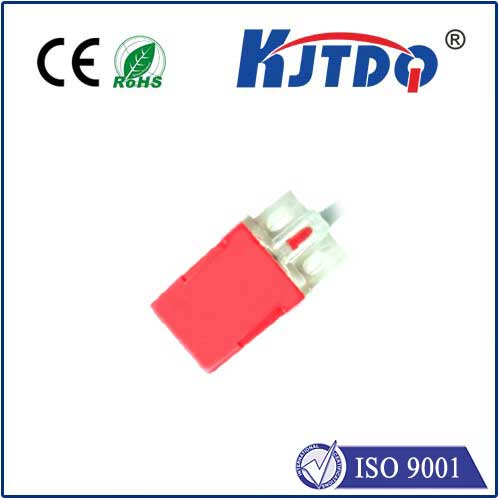
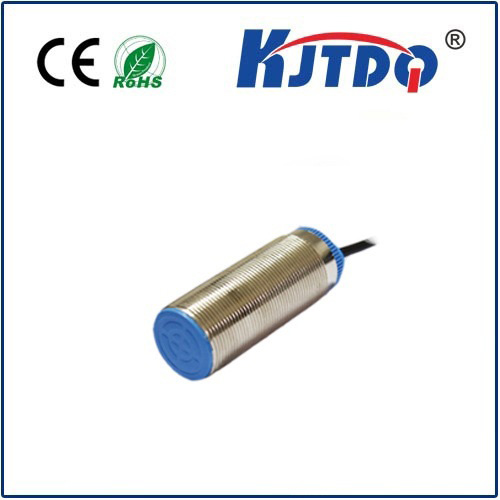
In the realm of industrial and commercial automation, the reliable operation of roller shutter doors is paramount. These doors facilitate the seamless flow of goods, vehicles, and personnel, serving as critical access points in warehouses, loading docks, and retail spaces. At the heart of ensuring their precise and safe movement lies a seemingly small yet indispensable component: the roller shutter door limit switch. Specifically, KJTDQ limit switches have emerged as a benchmark for durability and precision in this field.
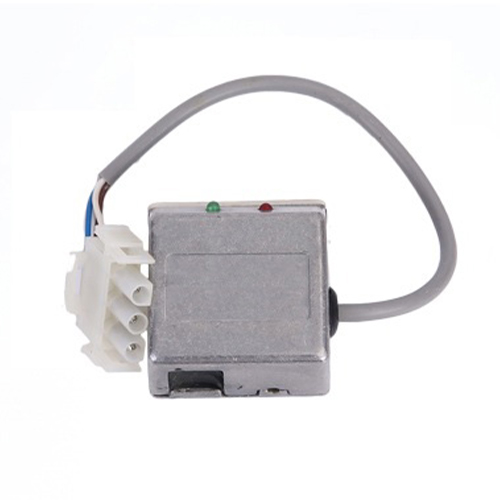
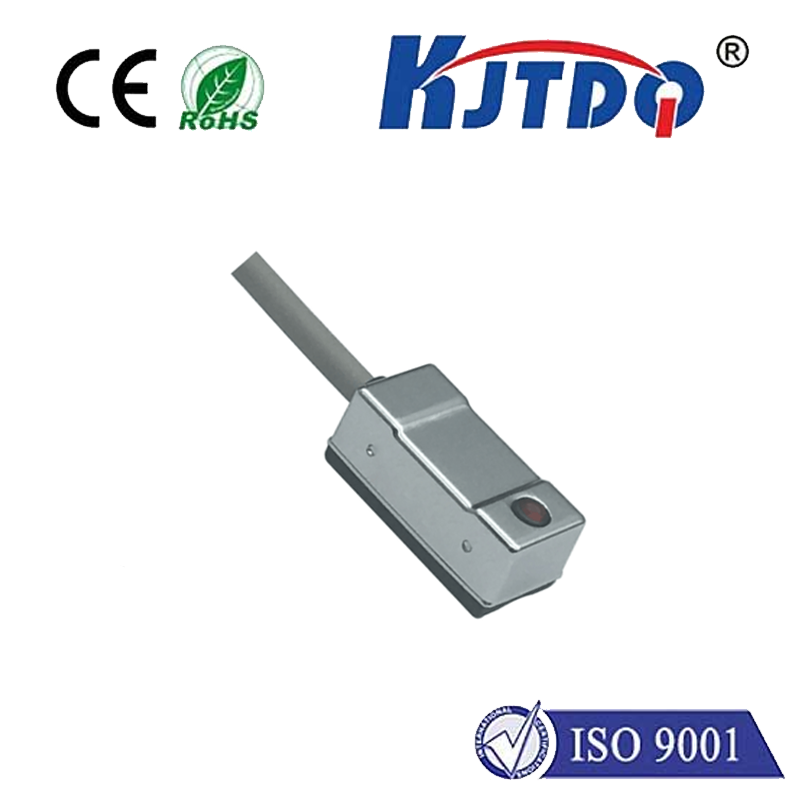
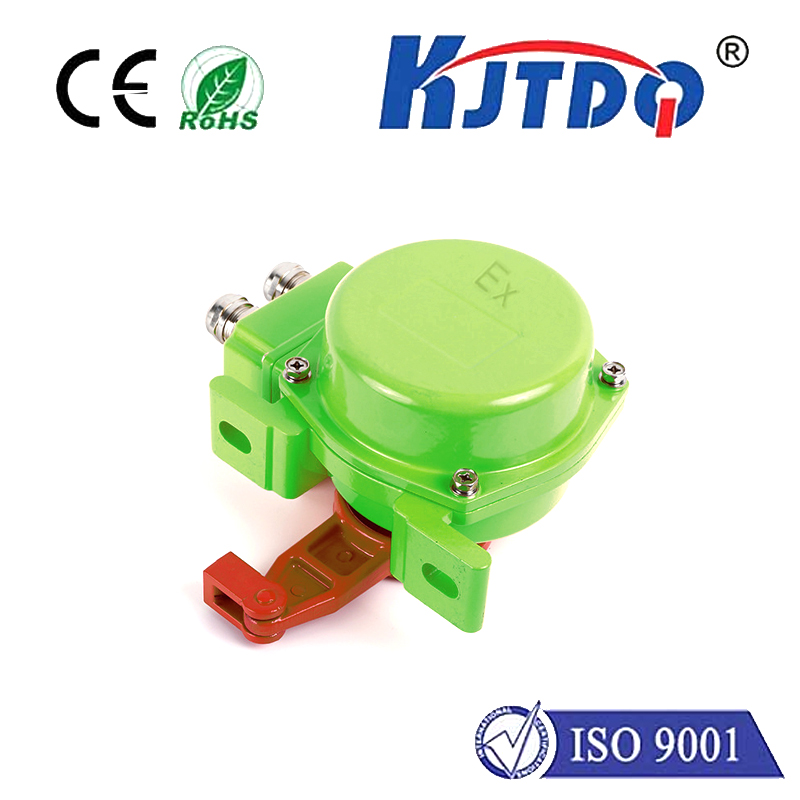
A limit switch for a roller shutter door is an electromechanical device designed to detect the presence or absence of an object, or to monitor and control the door's travel limits. It essentially tells the door's motor when to stop—either at the fully open or fully closed position. Without a properly functioning limit switch, a roller shutter door could over-travel, causing potential damage to the door mechanism, the motor, or the surrounding structure. More critically, it could pose significant safety hazards to personnel and equipment.
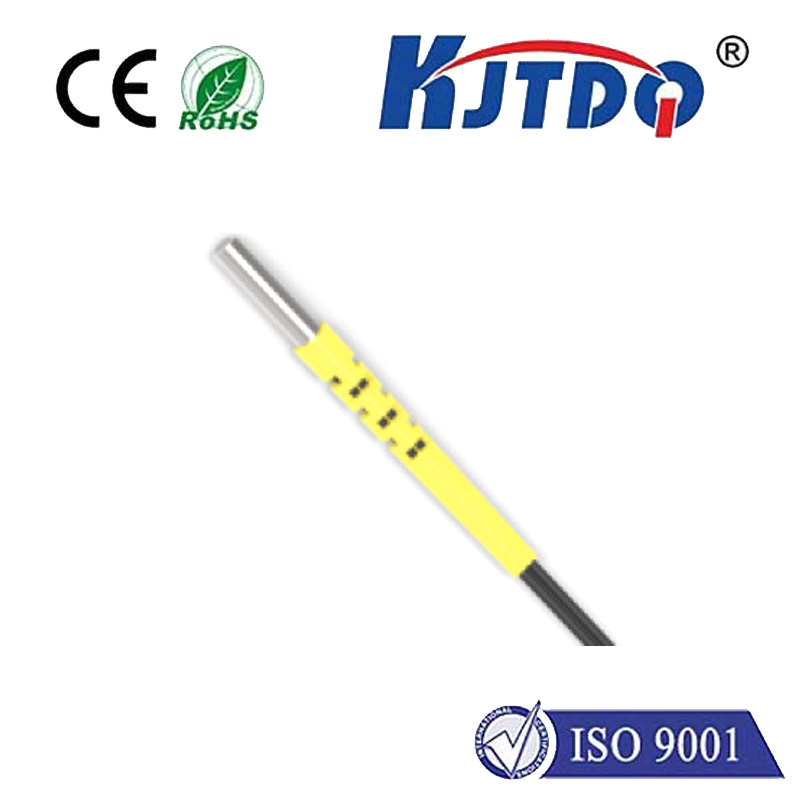
KJTDQ roller shutter door limit switches are engineered to withstand the demanding environments where these doors are typically installed. They are built with robust housings that offer high resistance to dust, moisture, and mechanical impact. This durability is crucial in settings like manufacturing plants or logistics hubs, where environmental factors can quickly degrade lesser components. The internal mechanism is precision-calibrated to provide accurate and repeatable switching, ensuring the door stops exactly where it is programmed to, every single time.
The installation and calibration of these limit switches are straightforward but vital processes. Technicians set the upper and lower limits by physically adjusting the switch's actuator or lever position along the door's track. Once set, the switch activates when the door reaches these predetermined points, cutting power to the motor. KJTDQ models often feature clear markings and easy-access adjustment screws, simplifying maintenance and reducing downtime. Regular checks are recommended as part of a preventive maintenance schedule to ensure ongoing reliability and to adjust for any wear in the door's drive system.
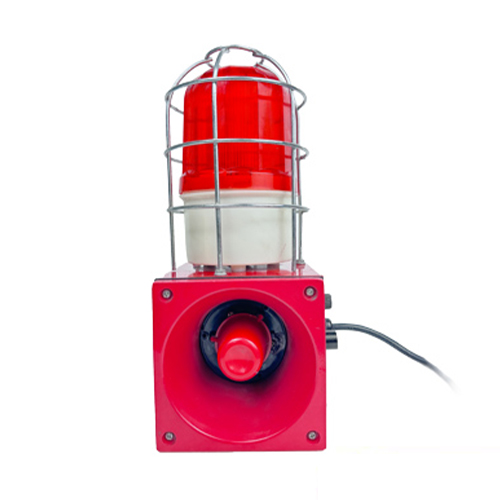
Beyond basic open/close functions, advanced KJTDQ limit switches can integrate with broader building management or security systems. They can provide feedback signals to central controllers, indicating door status. This integration is key for modern automated facilities aiming for optimized logistics and enhanced security protocols. Knowing the exact position of every access point in real-time allows for more efficient operations and quicker response in case of an incident.
From a safety perspective, the role of a limit switch cannot be overstated. It acts as a primary safety device, preventing the door from applying excessive force if an obstruction is encountered at its limits. This protects both the door's integrity and, more importantly, people working nearby. KJTDQ prioritizes this aspect, designing switches with reliable cut-off action and, in some models, redundant safety features to guard against failure.
Choosing the right limit switch involves considering factors like the door's size, weight, operational speed, and the environmental conditions. KJTDQ offers a range of models to meet these varied requirements, from standard mechanical switches to more sealed variants for harsh conditions. Consulting with a specialist or referring to the door manufacturer's specifications is always advisable to ensure compatibility and optimal performance.
In conclusion, while often overlooked, the limit switch is a cornerstone of safe and efficient roller shutter door operation. KJTDQ's commitment to manufacturing high-quality, reliable limit switches provides businesses with a critical component they can depend on. Investing in robust components like these not only minimizes the risk of costly breakdowns and accidents but also contributes to the smooth, uninterrupted flow of daily operations, safeguarding both assets and personnel.