In the world of heating, ventilation, and air conditioning (HVAC), safety mechanisms are not just accessories; they are critical components that protect both equipment and property. Among these, the high limit switch stands as a silent guardian, and when it comes to reliability, the Reznor high limit switch has established itself as a trusted name for professionals and facility managers alike.
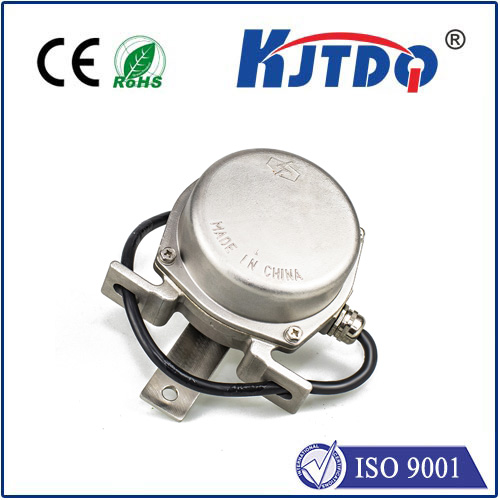
A high limit switch is a safety device designed to monitor the temperature within a heating system, such as a furnace or a unit heater. Its primary function is to interrupt the heating cycle if the temperature rises to an unsafe level, preventing potential overheating, damage to the system, and, most importantly, fire hazards. This simple yet vital component acts as a fail-safe, ensuring the system operates within its designed thermal parameters.
Reznor, a brand with a long history in the HVAC industry, manufactures high limit switches that are engineered for durability and precision. These switches are commonly integrated into Reznor's own line of unit heaters and furnaces but are also recognized as quality replacement parts for various systems. The Reznor high limit switch is typically constructed with robust materials to withstand the demanding environment of a heating system, including consistent exposure to heat and cyclical operation.
So, how does it work in practice? The switch contains a temperature-sensitive element, often a bimetallic strip or a thermocouple. This element is calibrated to respond at a specific temperature threshold. Under normal operating conditions, the switch remains closed, allowing the heating system to function. However, if the internal temperature climbs too high due to issues like restricted airflow, a dirty filter, a failing blower motor, or a faulty primary control, the sensing element triggers. This action opens the electrical circuit to the gas valve or ignition system, shutting down the heat source. Once the system cools down to a safe reset temperature, the switch may automatically close to allow for normal operation, or it may require a manual reset, depending on the model and the nature of the fault.
The importance of a properly functioning Reznor high limit switch cannot be overstated. First and foremost, it is a key safety feature. By preventing overheating, it directly reduces the risk of fire and protects the heat exchanger from stress cracks and premature failure. Secondly, it contributes to system efficiency. A system that repeatedly trips on high limit may be signaling an underlying problem—such as inadequate airflow—that is forcing it to work harder and less efficiently. Addressing the root cause, often indicated by a tripping limit switch, can restore optimal performance and reduce energy consumption.
Common symptoms of a potential problem with the high limit switch include the heating system shutting off prematurely and failing to heat the space adequately, the system going through short cycling (frequent on-and-off cycles), or a complete failure to start. Before replacing the switch, it is crucial for a qualified technician to diagnose the issue thoroughly. Often, a tripped high limit is a symptom, not the cause. The technician will check for blocked vents, dirty air filters, proper blower operation, and correct gas pressure. Replacing a functional high limit switch without fixing the underlying airflow or mechanical problem will lead to repeated trips and continued system issues.
When replacement is necessary, selecting the correct Reznor high limit switch is vital. These switches are rated for specific temperature limits (both trip and reset temperatures) and electrical specifications. Using an incorrect part can compromise safety and system operation. It is always recommended to use genuine Reznor parts or certified equivalents that match the original equipment manufacturer's specifications. Installation should always be performed by a licensed HVAC professional to ensure proper calibration and integration with the system's control board.
For building owners and maintenance teams, incorporating regular inspection of the high limit switch into a preventative maintenance schedule is a best practice. This includes visual inspection for signs of damage or corrosion, checking electrical connections for tightness, and verifying that the system is not experiencing conditions that would cause frequent tripping. Proactive maintenance not only extends the life of the switch and the heating system but also ensures uninterrupted comfort and safety during the coldest months.
In conclusion, the Reznor high limit switch exemplifies how a focused, well-engineered component plays an indispensable role in the larger HVAC ecosystem. It operates quietly in the background, providing a critical layer of protection that safeguards valuable equipment and property while promoting efficient system performance. Understanding its function and ensuring its proper maintenance is a fundamental aspect of responsible HVAC system management.