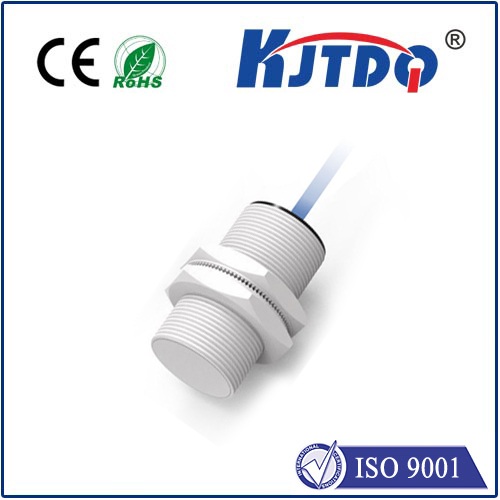
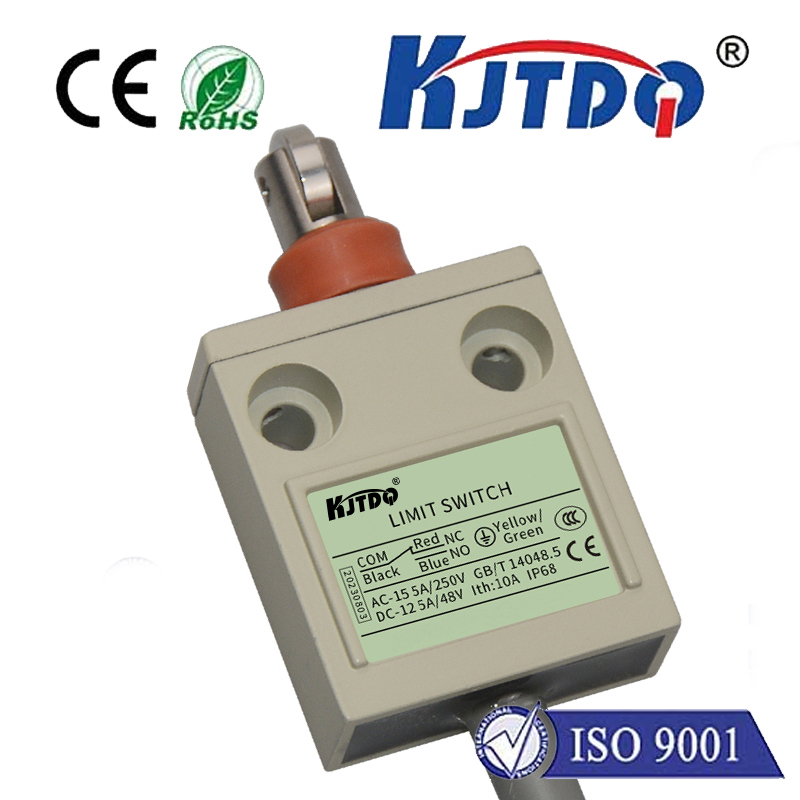
In the world of industrial automation and machinery control, precision and safety are paramount. Among the myriad of components that ensure these critical aspects, the air limit switch stands out as a fundamental device. Often overlooked, this component plays a vital role in monitoring and controlling the movement of pneumatic actuators, cylinders, and other air-powered mechanisms. Its primary function is to detect the presence or position of a moving part and send a corresponding signal to the control system, effectively defining the operational boundaries of a machine.
An air limit switch, sometimes referred to as a pneumatic limit switch or air valve sensor, operates by responding to air pressure or physical contact. When a pneumatic cylinder rod or actuator reaches a predetermined point in its stroke, it triggers the switch. This action either opens or closes an electrical circuit, providing a clear signal to the programmable logic controller (PLC) or other control units. This signal is crucial for initiating the next sequence in an automated process, stopping motion to prevent over-travel, or ensuring a machine operates within its safe design limits.
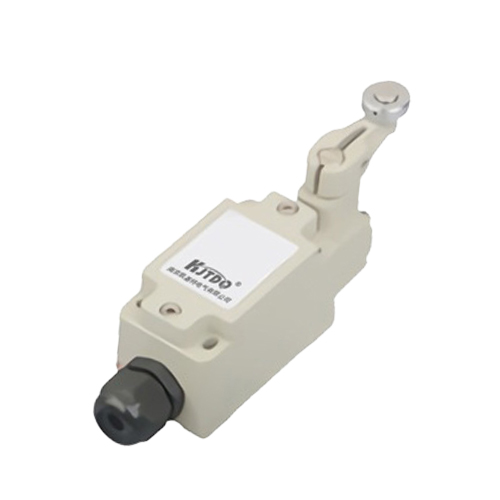
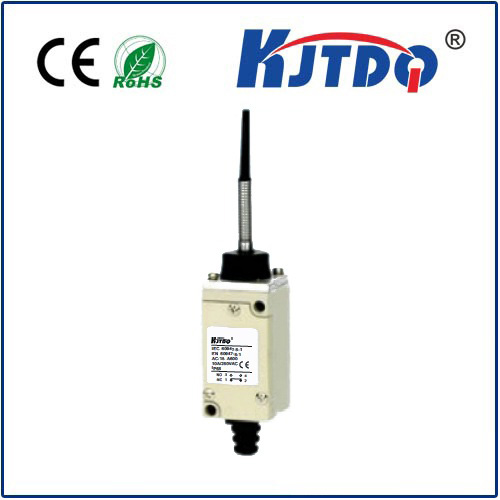
The design of these switches is typically robust, engineered to withstand harsh industrial environments. They are commonly built with durable materials like stainless steel or high-grade plastics to resist dust, moisture, oil, and temperature fluctuations. The actuation methods vary, including roller lever, plunger, or whisker types, allowing for flexible installation in tight spaces or on moving parts with different profiles. This adaptability makes them suitable for a wide range of applications, from packaging lines and automotive assembly to material handling and food processing equipment.
One of the key advantages of using an air limit switch is its simplicity and reliability. Unlike more complex electronic sensors, many pneumatic limit switches have a straightforward mechanical design with fewer components that can fail. They provide a direct, binary signal—on or off—which is highly resistant to electrical noise interference common in industrial settings. This reliability translates to reduced downtime and maintenance costs, as these switches often have long service lives with minimal need for calibration or adjustment.
Integration into a control system is generally straightforward. The switch is mounted at the precise location where position feedback is required. As the machine cycles, the moving part engages the switch actuator. The resulting electrical signal is then wired back to the control panel, informing the system of the cylinder's status. This feedback loop is essential for creating efficient, repeatable, and safe automated sequences. For instance, in a clamping operation, a limit switch confirms the clamp is fully closed before a drilling cycle begins, preventing potential damage or injury.
Selecting the right air limit switch involves considering several factors. The operating pressure range of the pneumatic system must match the switch's specifications. The required electrical rating—voltage and current for the connected load—is critical for safety and performance. Environmental conditions dictate the necessary ingress protection (IP) rating. Furthermore, the mechanical configuration, such as actuator style and mounting options, must align with the physical constraints of the application. Consulting technical datasheets and manufacturer guidelines ensures optimal selection for long-term performance.
In modern manufacturing, the demand for efficiency and safety continues to grow. While advanced sensor technologies like inductive or capacitive proximity sensors are available, the air limit switch remains a cost-effective and highly dependable solution for position sensing in pneumatic systems. Its role in preventing mechanical over-travel, which can lead to equipment damage or production stoppages, is invaluable. By providing a hard stop signal based on physical position, it acts as a critical safety interlock, protecting both machinery and personnel.
Regular inspection and maintenance are recommended to ensure continued reliability. This includes checking for physical damage to the actuator or housing, ensuring secure mounting, and verifying the electrical connections are tight and free from corrosion. Listening for unusual sounds during actuation or monitoring for inconsistent signal feedback can help identify potential issues before they lead to system failure. Keeping spare switches on hand for critical applications is a common practice to minimize operational disruptions.
Ultimately, the air limit switch is a testament to elegant engineering simplicity solving complex control problems. It bridges the gap between pneumatic motion and electrical control systems with unwavering reliability. For engineers and maintenance technicians, understanding its function, selection criteria, and integration principles is essential for designing and maintaining robust automated systems. As industries push for greater automation, this fundamental component will continue to be a cornerstone in the architecture of safe, precise, and efficient mechanical control.