In the intricate world of industrial automation and machinery control, precision and safety are paramount. Two critical components that ensure these aspects are position limit switches and cross limit switches. While their names might sound similar, they serve distinct yet complementary functions in safeguarding equipment and optimizing processes. This article delves into their operational principles, applications, and why they are indispensable in modern industrial settings.
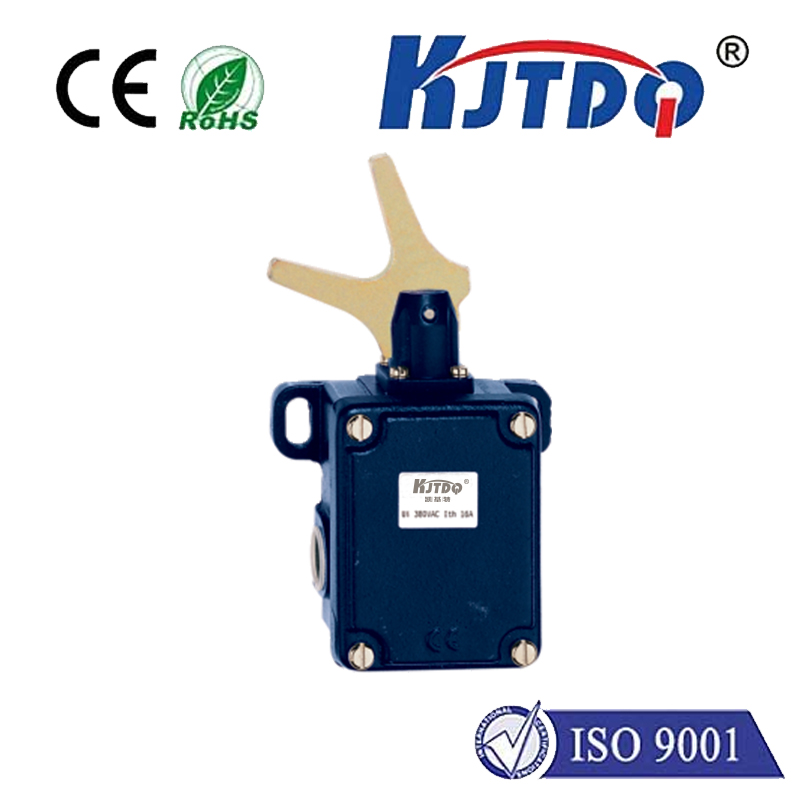
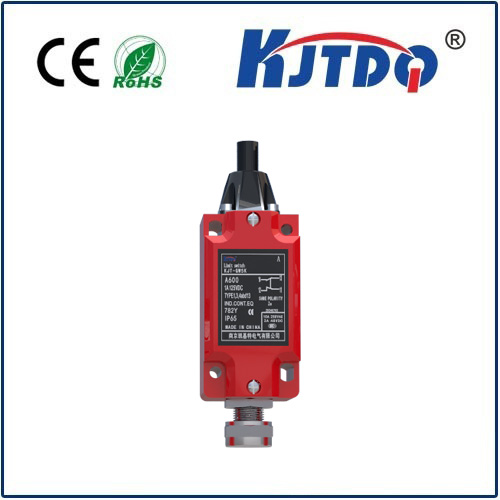
A position limit switch, often simply called a limit switch, is an electromechanical device designed to detect the presence or absence of an object, or to monitor and restrict the movement of a machine part to a predetermined safe travel limit. It acts as a sentinel, providing a definitive signal when a machine component, such as a robotic arm, conveyor cart, or elevator, reaches a specific physical point in its path. The fundamental mechanism is straightforward: an actuator (like a lever, roller, or plunger) is physically triggered by the moving part. This action changes the internal electrical contacts from their normal state (either normally open or normally closed), sending a control signal to the machine's programmable logic controller (PLC) or motor drive. This signal typically commands the system to stop, reverse direction, or initiate the next sequence in a programmed operation. For instance, on a automated overhead crane, position limit switches prevent the hoist from traveling beyond the safe upper and lower bounds of the rail, preventing catastrophic overtravel and potential damage.
On the other hand, a cross limit switch refers to a specific configuration or application often used in more complex motion control systems, particularly where two axes of movement are involved. The term "cross" implies an interaction or a boundary condition between different motion paths. A common application is in gantry systems or X-Y tables where the tool or carriage moves in two perpendicular directions. Here, a cross limit switch system is implemented to establish a safe working envelope. It not only defines the individual limits for each axis (like a standard position switch) but also can be programmed to create interdependencies. For example, it might prevent the Y-axis actuator from moving into a certain zone unless the X-axis component is in a specific "clear" position, thereby avoiding collisions between components. In essence, cross limit logic adds a layer of coordinated safety, ensuring that movements in one plane do not interfere dangerously with structures or operations in another. They are crucial in preventing mechanical jams, tool crashes, and ensuring synchronized multi-axis operations.
The choice between using standard position limit switches and implementing a cross limit system depends entirely on the complexity of the machinery. Simple linear or rotary motions are perfectly served by robust, industry-proven position limit switches. They are valued for their mechanical simplicity, reliability, and direct feedback. Brands like Siemens, Allen-Bradley, and Omron offer a vast range designed for harsh environments, with high ingress protection (IP) ratings against dust and moisture. For applications involving coordinated motion, such as in CNC machining centers, automated storage and retrieval systems (AS/RS), or complex material handling robots, a cross limit strategy becomes essential. This is often achieved not by a single, unique switch, but by a network of standard position switches whose signals are interpreted together by the central control system using sophisticated logic. This integrated approach defines the safe operational "window" for the entire machine.
The benefits of correctly implementing these devices are substantial. Primarily, they are a first line of defense for machine safety, protecting both expensive capital equipment and personnel from harm caused by runaway or misaligned components. Secondly, they enhance operational reliability by preventing out-of-tolerance movements that lead to product defects, tool wear, or unplanned downtime. By providing precise endpoints, they also contribute to repeatable accuracy in automated processes, which is critical for quality control in manufacturing. Regular maintenance, including checking for proper actuator alignment, testing electrical continuity, and ensuring contacts are free from corrosion, is vital to maintain their reliability.
In conclusion, position and cross limit switches are the unsung heroes of industrial automation. The position limit switch provides fundamental, axis-specific boundary control, while the cross limit concept represents an advanced safety and coordination protocol for multi-dimensional systems. Understanding their distinct roles allows engineers and system integrators to design safer, more efficient, and more intelligent machinery. As industries continue to advance towards greater automation and interconnectivity through the Industrial Internet of Things (IIoT), these devices will remain foundational, even as they evolve to include more proximity-based and non-contact sensing technologies alongside traditional mechanical switches. Their core purpose—to define limits and ensure safe interaction—will always be at the heart of robust machine design.