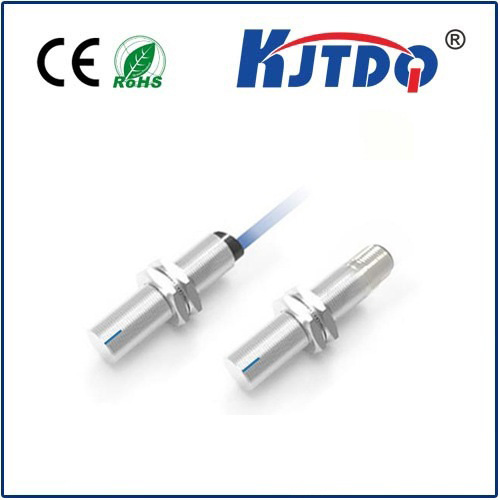
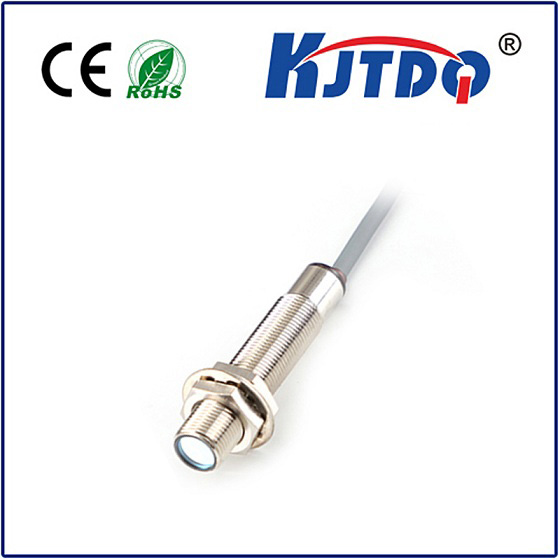
In industrial automation and machinery control, the main limit switch plays a critical role in ensuring operational safety, precision, and efficiency. Often overlooked, this component acts as a fundamental safety device that monitors the position or movement of mechanical parts, preventing equipment from exceeding predefined physical boundaries. By detecting the presence or absence of an object, the main limit switch triggers electrical circuits to start, stop, or change the operation of machinery, thereby avoiding potential damage, accidents, or production downtime.
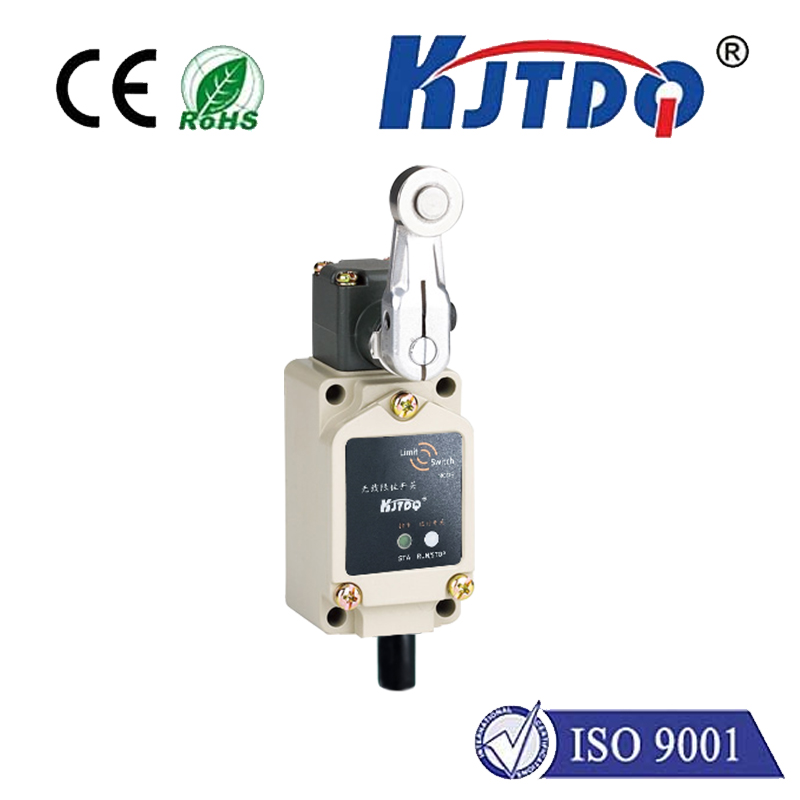
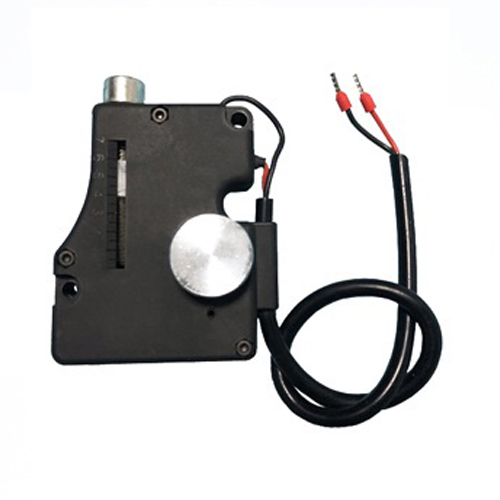
The functionality of a main limit switch is based on simple yet robust electromechanical principles. Typically, it consists of an actuator—such as a lever, roller, or plunger—linked to a set of electrical contacts. When the actuator is engaged by a moving part, the contacts either open or close, sending a signal to the control system. For instance, in conveyor systems, a main limit switch might halt the belt if an object is misaligned, while in robotic arms, it can restrict movement to safe zones. This reliability makes it indispensable in applications ranging from manufacturing and packaging to elevators and automotive assembly lines.
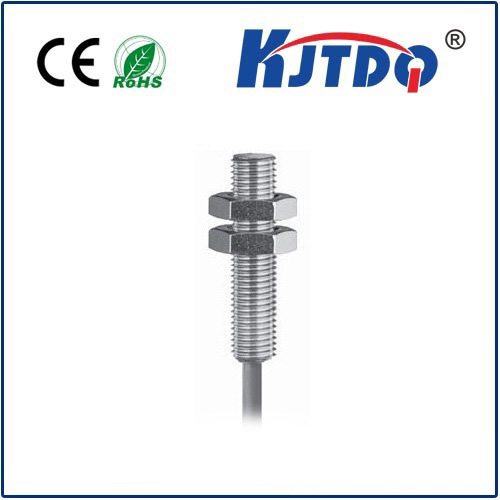
Selecting the right main limit switch involves considering factors like environmental conditions, load capacity, and durability. In harsh settings with dust, moisture, or extreme temperatures, sealed or ruggedized switches are preferred to ensure longevity. Modern advancements have also led to the integration of proximity sensors and programmable logic controllers (PLCs), enhancing precision and adaptability. However, the core purpose remains unchanged: to provide a fail-safe mechanism that protects both equipment and personnel.
Regular maintenance and testing are essential for optimal performance. Over time, mechanical wear or contamination can affect switch responsiveness, leading to false triggers or failures. Implementing routine inspections—checking actuator alignment, contact cleanliness, and wiring integrity—can prevent unexpected breakdowns. Additionally, training operators to recognize signs of switch degradation, such as delayed responses or unusual noises, contributes to proactive upkeep.
In summary, the main limit switch is a cornerstone of industrial safety and automation. Its ability to enforce physical limits through reliable electromechanical action ensures machinery operates within safe parameters, reducing risks and enhancing productivity. As industries evolve toward smarter automation, this component continues to adapt, proving that even simple devices are vital for complex systems. By understanding its function and maintenance needs, businesses can foster safer, more efficient operations.