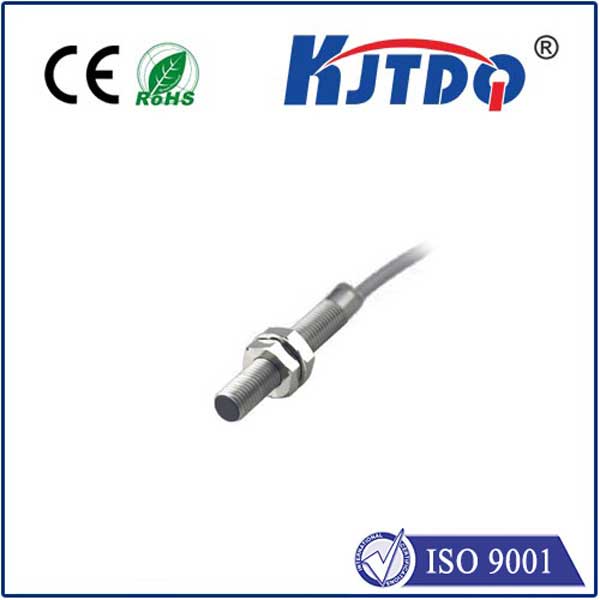
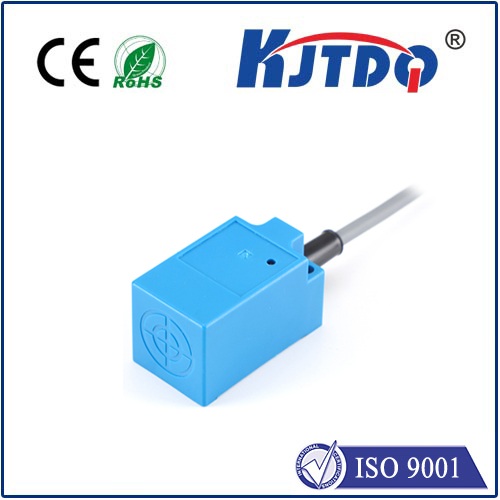
In the world of industrial automation and machinery control, precision is paramount. The Tub4 limit switch stands as a critical component in achieving this precision, ensuring operations are safe, efficient, and reliable. This guide delves into the intricacies of the Tub4 limit switch, exploring its functionality, applications, and the key benefits it brings to modern engineering systems.
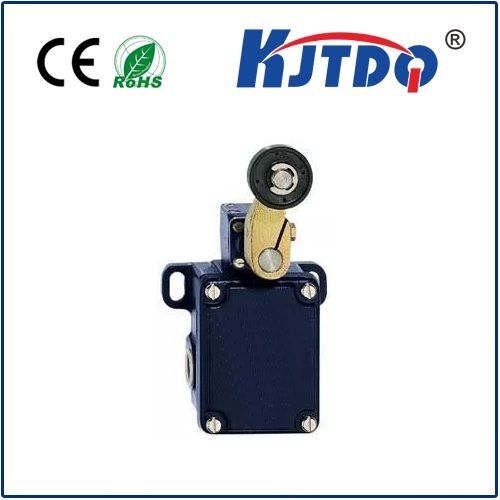
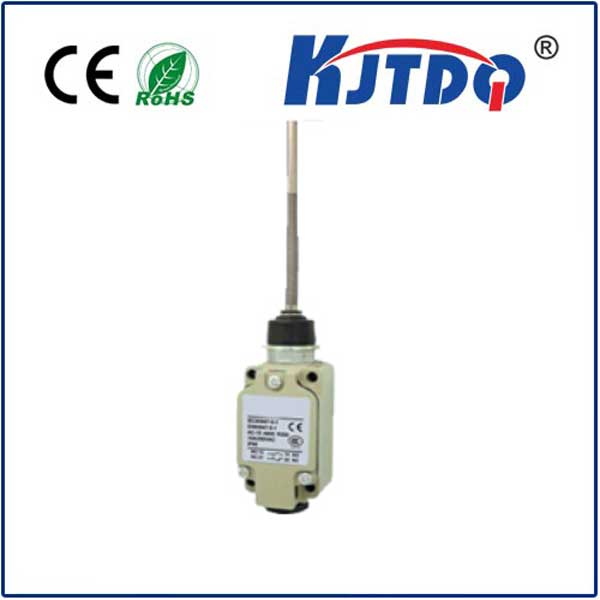
A limit switch is an electromechanical device that requires physical contact to operate. It is designed to detect the presence or absence of an object, or to monitor the position of a machine part. The "Tub4" designation typically refers to a specific series or model known for its robust construction and reliable performance in demanding environments. These switches act as sentinels, providing crucial feedback to control systems. When a machine part, such as a robotic arm, conveyor belt, or door, reaches a predetermined point, it actuates the switch's lever, roller, or plunger. This action opens or closes an electrical circuit, sending a signal to the programmable logic controller (PLC) or motor starter to initiate the next command—whether to stop, start, reverse direction, or trigger a sequence.
The core advantage of the Tub4 series lies in its durability and adaptability. Engineered for industrial settings, these switches often feature sealed housings that protect internal components from contaminants like dust, oil, and moisture. This ingress protection (IP) rating is vital for longevity in harsh conditions found in manufacturing plants, packaging lines, and material handling systems. The mechanical life of a Tub4 switch is typically rated for millions of operations, a testament to its rugged design. Furthermore, they offer various actuator types—including roller lever, fork lever, and push-rod—allowing engineers to select the perfect configuration for the specific mechanical motion they need to detect.
Applications for the Tub4 limit switch are vast and varied. In automated assembly lines, they ensure components are correctly positioned before a welding or fastening operation begins. In elevator systems, they provide critical end-of-travel safety, preventing the cab from moving beyond its designated upper and lower limits. Within CNC machinery, they define the home position for cutting tools, ensuring repeatable accuracy. They are also indispensable in safety interlocks on machine guards, ensuring equipment cannot operate unless protective doors are securely closed, thereby safeguarding personnel.
Selecting the right Tub4 limit switch involves considering several factors. The electrical rating—encompassing voltage, current, and whether the load is AC or DC—must match the control circuit requirements. The operating environment dictates the necessary housing material, such as metal or high-impact plastic, and the IP rating. The type of actuator and its operating force are chosen based on the speed and physical characteristics of the target object. Proper installation and alignment are equally crucial; a misaligned switch can lead to false signals, premature wear, or complete failure, causing costly downtime.
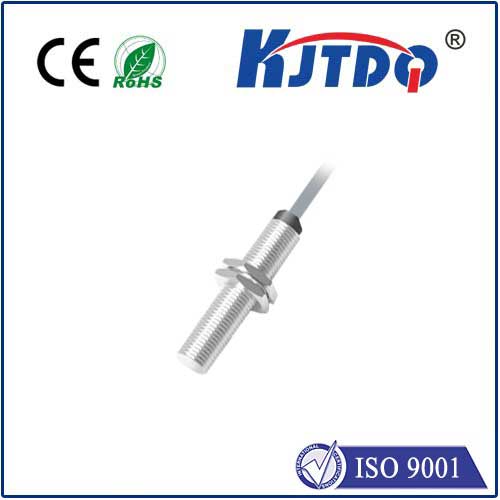
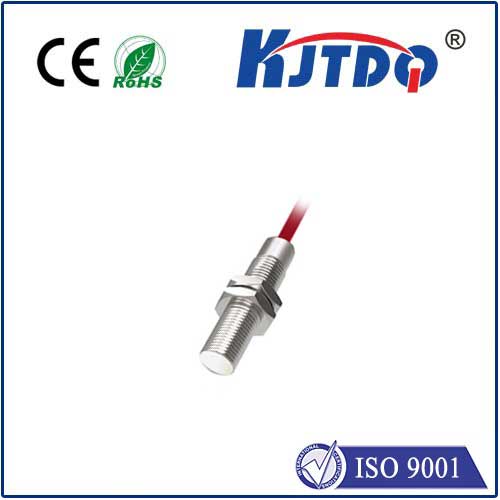
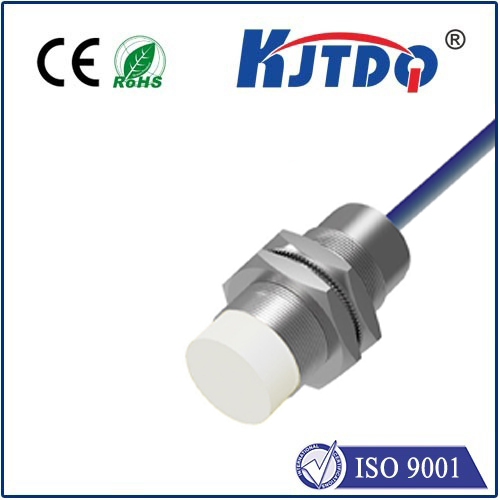
Beyond basic functionality, modern Tub4 limit switches can integrate with advanced sensor technologies. While traditional electromechanical types remain popular for their simplicity and direct feedback, some models may incorporate proximity sensing principles for non-contact detection in specific variants, though the core Tub4 identity is rooted in physical actuation. The reliability of a well-chosen Tub4 switch translates directly into reduced maintenance costs, enhanced operational safety, and improved overall equipment effectiveness (OEE). It is a foundational element that, while often unseen, plays a starring role in the seamless dance of automated production.
For system integrators and maintenance engineers, understanding the specifications and maintenance schedules of these switches is key to proactive operations. Regular inspection for physical damage, wear on the actuator arm, and cleanliness of the contact area can prevent unexpected failures. In conclusion, the Tub4 limit switch is more than just a simple component; it is a precision instrument for control and safety. Its role in translating physical motion into definitive electrical signals makes it an irreplaceable pillar in the architecture of industrial automation, driving efficiency and protecting both machinery and human operators every single cycle.