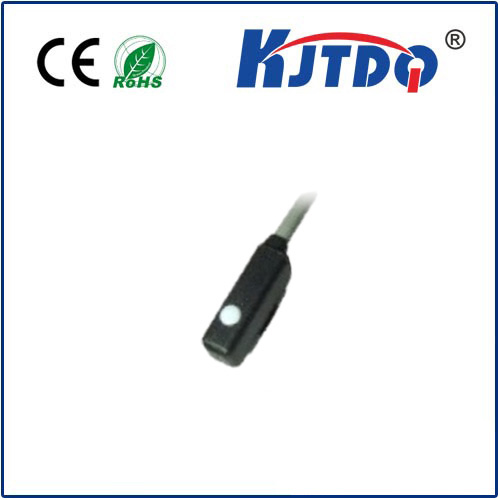
In the intricate world of industrial automation, where precision and reliability are non-negotiable, a seemingly simple component plays a pivotal role in ensuring seamless operations and safeguarding expensive machinery. The industrial limit switch, a fundamental electromechanical device, stands as a silent sentinel, dictating the boundaries of motion and triggering critical control actions. Far from being a relic of the past, modern industrial limit switches have evolved into robust, versatile solutions essential for countless applications across manufacturing, material handling, and process control.
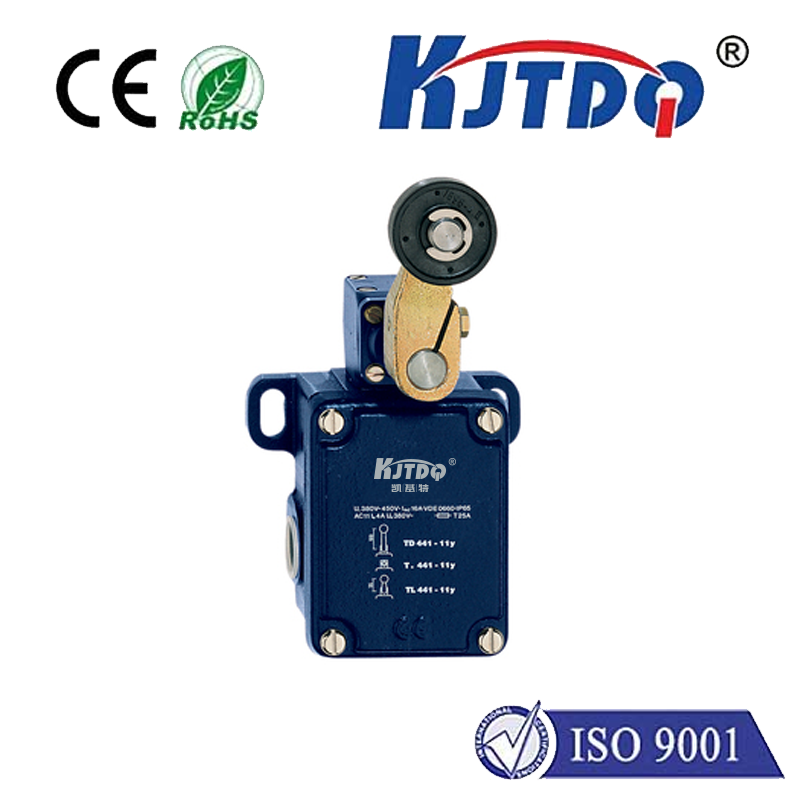
At its core, an industrial limit switch is a sensor that detects the presence or absence of an object, or monitors the position of a machine part, by making or breaking an electrical contact. When an actuator—often a lever, roller, or plunger—is physically engaged by a moving target, it triggers an internal mechanism to change the state of its electrical contacts. This signal is then sent to a control system, such as a Programmable Logic Controller (PLC), which can immediately halt a motor, reverse a direction, initiate a new sequence, or activate an alarm. This direct physical actuation provides a high level of certainty and is a key reason for its enduring popularity in harsh environments.
The defining characteristic of a high-quality industrial limit switch is its durability. Engineered to withstand the rigors of factory floors, these devices are typically housed in rugged metal or high-strength thermoplastic enclosures with ingress protection (IP) ratings that guard against dust, oil, coolants, and water jets. Whether facing extreme temperatures, heavy vibration, or repeated mechanical impact, a well-designed limit switch offers consistent performance. Manufacturers offer a vast array of actuator types—from standard lever arms with adjustable rollers to compact plunger styles and specialized whisker or wobble sticks—allowing for precise customization to the specific mechanical motion being monitored.
The applications for industrial limit switches are virtually limitless. In an automotive assembly line, they ensure robotic arms retract to a safe "home" position. On a packaging machine, they verify that a product is correctly positioned before sealing. In crane and hoist systems, they serve as critical end-of-travel safety stops to prevent overtravel and catastrophic damage. On conveyor belts, they can detect jams or count passing items. This versatility makes them indispensable for providing basic positional feedback where absolute precision from non-contact sensors is not required, offering a cost-effective and highly reliable solution.
While proximity sensors and vision systems have expanded the toolkit for automation engineers, the industrial limit switch retains significant advantages. Its operation is straightforward, easy to understand, and troubleshoot. It provides a strong, unambiguous electrical signal without the need for complex calibration. In safety-critical applications, its positive mechanical action can be a designed fail-safe. Furthermore, for simple position verification in environments filled with metallic dust or other contaminants that could interfere with electronic sensors, a sealed limit switch often proves to be the most dependable choice.
Selecting the right industrial limit switch involves careful consideration of several factors. The electrical load (current and voltage) of the circuit it must control is paramount, determining the required contact rating. The mechanical environment dictates the needed housing material, actuator style, and IP rating. The speed and frequency of operation influence the switch's mechanical life expectancy. Understanding these parameters ensures optimal performance and longevity, minimizing downtime and maintenance costs.
In conclusion, the industrial limit switch remains a cornerstone of automated control systems. Its blend of mechanical simplicity, electrical robustness, and proven reliability secures its place in modern industry. From controlling the repetitive motion of a milling machine to ensuring the safe operation of a massive warehouse stacker crane, these devices provide the essential "yes" or "no" feedback that keeps processes running smoothly, efficiently, and safely. For engineers seeking a dependable, cost-effective means of translating physical position into a decisive control signal, the industrial limit switch continues to be an irreplaceable component.