Проверка
Проверка
Проверка
Проверка
Проверка
Проверка
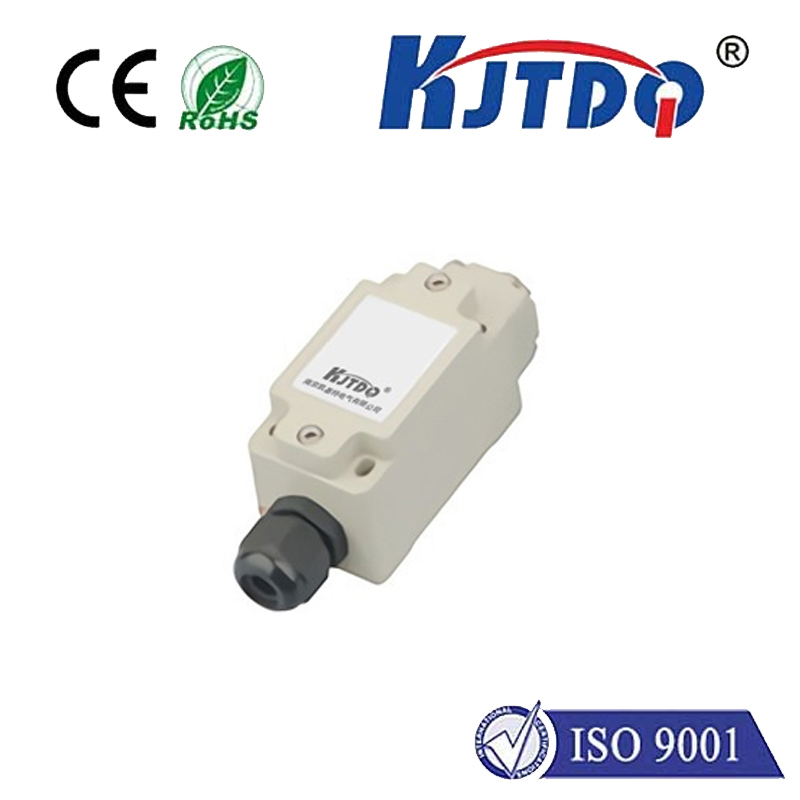
In demanding industrial settings where dust, moisture, and extreme conditions are the norm, equipment failure is not an option. This is where the IP68 limit switch stands as a critical guardian of operational continuity and safety. Unlike standard switches, an IP68-rated limit switch is engineered to provide unwavering reliability, forming a robust interface between mechanical movement and control systems in the most challenging applications.
The "IP68" designation is not just a marketing term; it is a rigorous international standard defined by the IEC 60529. The "6" signifies complete protection against dust ingress, ensuring no harmful dust particles can penetrate the enclosure and interfere with the internal electrical components. The "8" indicates protection against prolonged immersion in water under specified pressure and time conditions, typically meaning the switch can withstand being submerged beyond 1 meter depth. This dual protection makes it an indispensable component in industries such as wastewater treatment, mining, marine operations, food and beverage processing, and outdoor heavy machinery.
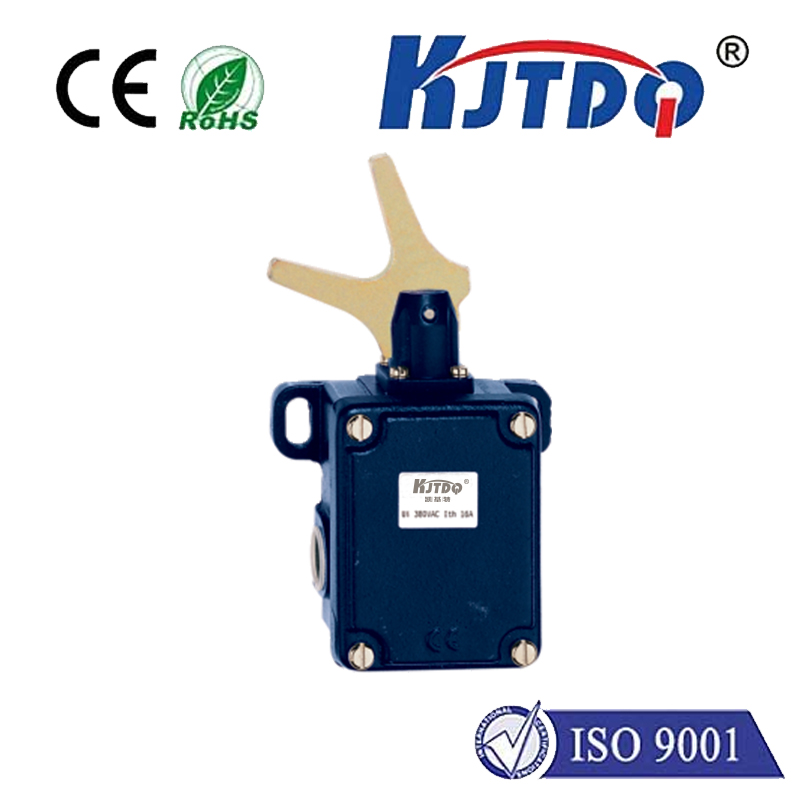
The core function of a limit switch is to detect the presence or absence, passage, or positioning of an object. The IP68 limit switch performs this duty through a mechanically actuated lever, roller, or plunger. When an object makes contact with the actuator, it triggers an internal snap-action mechanism, rapidly opening or closing electrical contacts within the sealed housing. This change in state sends a clear signal to a programmable logic controller (PLC) or other control system, initiating a pre-programmed action—stopping a conveyor, reversing a motor, opening a valve, or triggering an alarm.
The construction of a high-quality IP68 limit switch is a feat of engineering. The housing is typically made from robust materials like stainless steel (e.g., 316-grade for corrosive environments) or heavy-duty engineering plastics. Critical sealing is achieved using multiple layers of protection: high-grade elastomer O-rings at all entry points, epoxy-potted cable glands, and laser-welded seams on metal housings to eliminate any potential leak paths. The internal switching element is often gold-plated for low electrical resistance and reliable performance over millions of cycles.
For engineers and plant managers, selecting an IP68 limit switch involves several key considerations beyond the rating itself. The electrical specifications—voltage, current (AC/DC), and contact configuration (normally open, normally closed, or changeover)—must match the control circuit requirements. Mechanical durability is paramount; the actuator must be chosen based on the force and frequency of operation. Temperature range is another vital factor, as switches may need to perform in freezing cold or scorching heat. Leading manufacturers offer a vast array of actuator styles, from standard levers and rollers to custom-designed options for unique applications.
The operational benefits of deploying IP68 limit switches are substantial. Primarily, they dramatically reduce unplanned downtime. In a dusty mineral processing plant or a humid bottling facility, a standard switch might fail within weeks, halting production lines. An IP68 switch, by contrast, maintains integrity, ensuring continuous operation and protecting revenue. Secondly, they enhance safety. Reliable position sensing on crane travel limits, gate positions, or access doors is crucial for preventing accidents and protecting personnel. Finally, they offer long-term cost efficiency. While the initial investment may be higher than a standard switch, the extended service life, reduced maintenance needs, and avoidance of production stoppages deliver a significantly lower total cost of ownership.
Real-world applications vividly illustrate their value. On a port container crane, IP68 limit switches monitor the trolley's travel extremes, enduring constant salt spray and rain. In an automated car wash, they detect vehicle position to coordinate brush movements, resisting high-pressure water and detergent exposure. Within a mining conveyor system, they verify the position of diverting arms deep underground, impervious to coal dust and moisture.
In conclusion, the IP68 limit switch is far more than a simple component; it is a strategic asset for industrial resilience. By providing fail-safe detection and control in environments that would swiftly incapacitate lesser devices, it safeguards productivity, protects capital investment, and ensures safety. For any operation facing environmental challenges, specifying IP68-rated limit switches is a proven decision for building a more robust, reliable, and efficient automated system.