Проверка
Проверка
Проверка
Проверка
Проверка
Проверка
In the world of industrial automation and motion control, precision and reliability are non-negotiable. At the heart of ensuring these critical parameters lies a seemingly simple yet indispensable component: the limit switch for actuators. This device acts as the definitive sentinel, providing accurate feedback on an actuator's position and preventing mechanical overtravel that could lead to equipment damage, production downtime, and safety hazards.
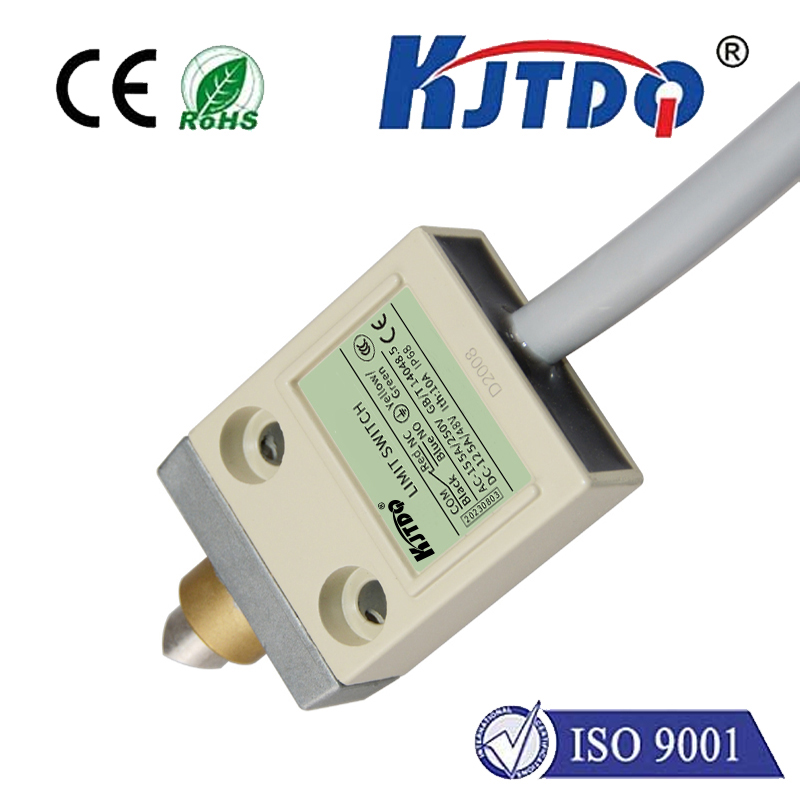
An actuator, whether electric, pneumatic, or hydraulic, is responsible for creating controlled movement. It might push, pull, lift, or rotate a load. However, without a defined stopping point, this movement is blind. This is where the limit switch comes into play. Mounted at predetermined points along an actuator's travel path, the limit switch is triggered when the actuator reaches a specific position. This trigger sends an electrical signal to the control system, which can then halt the actuator, reverse its direction, or initiate the next step in a sequence. It is the fundamental interface between mechanical motion and electronic control.
The importance of a robust limit switch cannot be overstated, particularly in harsh industrial environments. Consider a high-speed packaging line where a pneumatic actuator must precisely place a product. A malfunctioning limit switch could cause misalignment, resulting in jammed machinery and wasted materials. In heavy-duty applications like valve control in process industries, a reliable limit switch ensures valves open and close completely, preventing leaks and maintaining system integrity. The limit switch is the fail-safe mechanism that transforms a basic actuator into a smart, reliable, and safe component of a larger system.
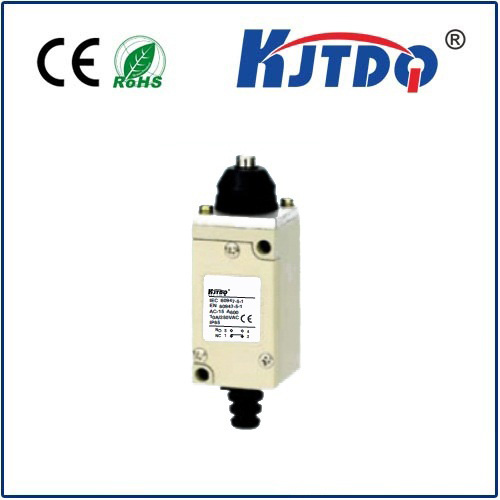
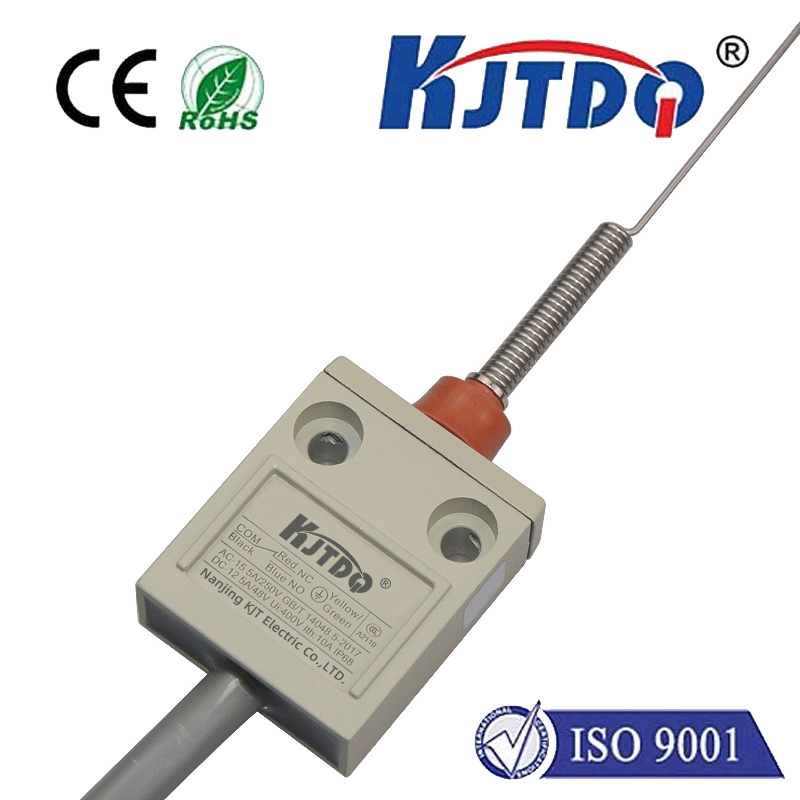
When selecting a limit switch for an actuator, several key factors must be evaluated to ensure optimal performance and longevity. The first is the operating environment. Will the switch be exposed to dust, moisture, oils, or extreme temperatures? For such conditions, switches with high Ingress Protection (IP) ratings, such as IP67, are essential to prevent contamination and failure. The mechanical durability is another critical aspect. The switch must withstand millions of actuation cycles without degradation of its electrical or mechanical properties. The type of actuator also dictates the choice. For rotary actuators, rotary cam limit switches are often used, while linear actuators typically employ plunger or lever-arm style switches.
Electrical specifications are equally vital. The switch's voltage and current ratings must match the control circuit it will interface with. Furthermore, the output type—whether a simple single-pole single-throw (SPST) contact or a more complex dual-channel configuration for safety monitoring—must align with the control logic requirements. For applications demanding high precision, repeatability is a paramount specification. A high-quality limit switch will trigger at the exact same point every cycle, ensuring consistent operation.
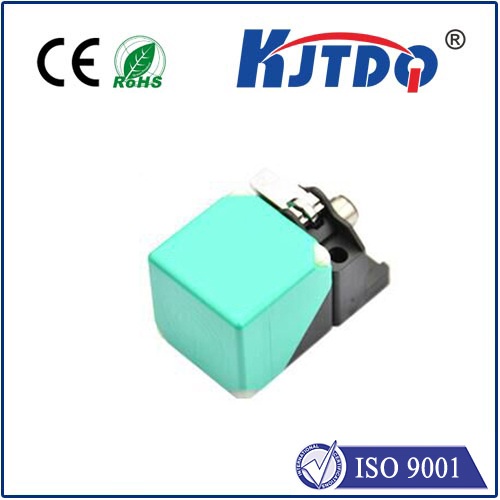
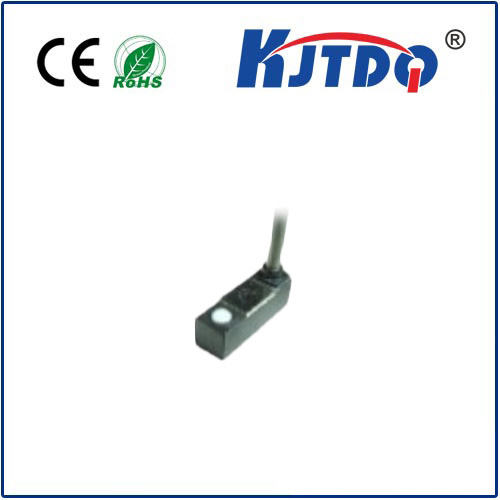
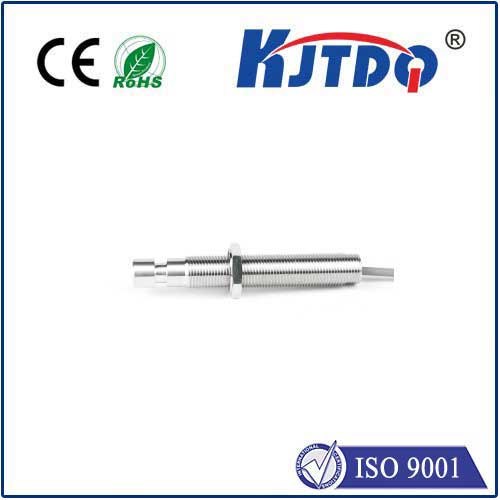
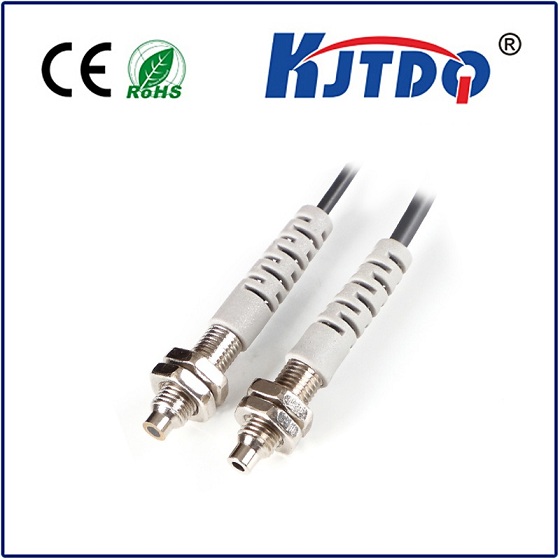
Modern advancements have expanded the capabilities of traditional mechanical limit switches. While rugged and cost-effective, mechanical switches have moving parts that can wear over time. This has led to the increased adoption of non-contact alternatives like inductive, capacitive, or magnetic proximity sensors in actuator positioning. These solid-state devices offer exceptional longevity and are immune to environmental factors like dust buildup on the actuator. However, for many applications, especially those requiring a physical, positive break contact for safety interlocks, the electromechanical limit switch remains the preferred and most trusted solution.
Proper installation and maintenance are the final pieces of the puzzle for achieving reliable limit switch performance. Precise alignment during mounting is crucial to ensure the actuator's cam or flag engages the switch correctly. Regular inspection schedules should be established to check for loose mounting hardware, signs of physical damage, and corrosion on electrical contacts. Testing the switch's operation periodically as part of preventive maintenance can identify potential issues before they cause a system failure.
In conclusion, the limit switch for an actuator is far more than a simple on/off device. It is a critical component for enabling precise, repeatable, and safe automated motion. By understanding its function, carefully selecting the right model for the application, and ensuring proper installation and upkeep, engineers and maintenance professionals can significantly enhance the reliability, efficiency, and safety of their automated systems. The right limit switch is a small investment that safeguards much larger investments in machinery and productivity.