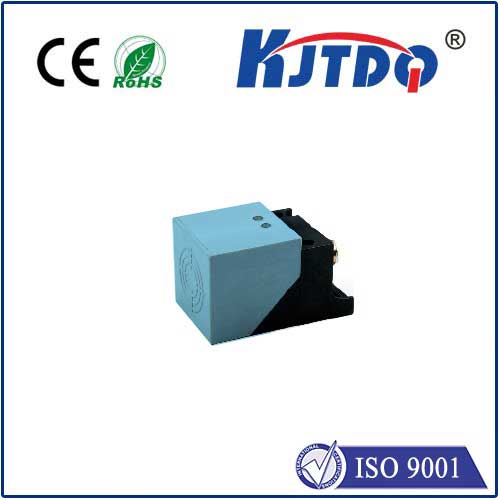
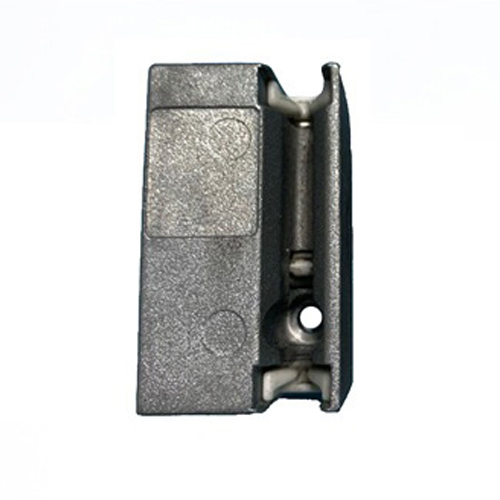
In industrial and commercial electrical systems, safety and precision are paramount. Among the many components that ensure these standards, the 120 volt limit switch stands out as a critical device for controlling machinery and processes. This switch is designed to operate within a 120-volt electrical framework, commonly used in North America and other regions with similar voltage standards. Its primary function is to detect the presence or position of an object, thereby triggering an action—such as stopping, starting, or altering the operation of a machine—when a set limit is reached.
The 120 volt limit switch is typically employed in applications where reliable performance under moderate voltage conditions is essential. For instance, in conveyor systems, it can halt the movement of goods when they reach a specific point, preventing jams or overflows. In manufacturing equipment, it ensures that moving parts do not exceed safe travel ranges, reducing the risk of damage or accidents. The switch consists of an actuator linked to a set of contacts. When the actuator is moved by an external force—like a machine part or product—it changes the state of the contacts, either opening or closing an electrical circuit. This simple yet effective mechanism allows for automated control without constant human intervention.
One of the key advantages of using a 120 volt limit switch is its compatibility with standard electrical systems. Since 120 volts is a common supply voltage for many industrial and residential devices, integrating this switch into existing setups is often straightforward. It eliminates the need for additional transformers or complex wiring, saving time and costs. Moreover, these switches are built to withstand harsh environments, including exposure to dust, moisture, and temperature fluctuations. Many models feature rugged enclosures made from materials like metal or durable plastics, ensuring longevity even in demanding settings such as factories or outdoor installations.
When selecting a 120 volt limit switch, several factors should be considered to ensure optimal performance. First, the type of actuator—whether lever, roller, or plunger—must match the application's mechanical requirements. For example, a lever actuator might be suitable for detecting large objects, while a plunger type could be used for precise positioning. Second, the electrical ratings, including current capacity and contact configuration (normally open or normally closed), should align with the system's load demands. Third, environmental conditions play a role; switches with higher ingress protection (IP) ratings are preferable for wet or dusty areas. Regular maintenance, such as cleaning contacts and checking for wear, can also extend the switch's lifespan and prevent unexpected failures.
In practice, the 120 volt limit switch contributes to enhanced safety and efficiency. By automatically stopping equipment when limits are exceeded, it helps prevent accidents that could harm workers or damage machinery. This not only protects assets but also reduces downtime, leading to smoother operations and lower maintenance costs. Additionally, these switches support automation by enabling precise control over repetitive tasks, which can improve productivity and consistency in output. From packaging lines to HVAC systems, their versatility makes them a staple in various industries.
Despite its reliability, users should be aware of common issues that may arise. Over time, mechanical wear on the actuator or contacts can lead to misalignment or failure to trigger. Electrical problems, such as short circuits or voltage spikes, might also affect performance. To mitigate these risks, it is advisable to follow manufacturer guidelines for installation and operation. Using surge protectors or redundant switches in critical applications can provide an extra layer of security. Consulting with an electrical engineer or technician during the design phase can help tailor the switch to specific needs, ensuring it functions as intended.
Overall, the 120 volt limit switch is a fundamental component in modern electrical control systems. Its ability to provide accurate, reliable limit detection at a standard voltage makes it an invaluable tool for automation and safety. By understanding its operation, benefits, and selection criteria, businesses and technicians can leverage this device to optimize their processes. Whether in small-scale setups or large industrial complexes, incorporating a well-chosen limit switch can lead to safer, more efficient operations, ultimately supporting long-term success in a competitive landscape.