Проверка
Проверка
Проверка
Проверка
Проверка
Проверка
In the intricate world of electrical control systems, the reliability of every component is paramount. Among these, the humble limit switch plays a critical role, acting as a sentinel that dictates the operational boundaries of machinery. Specifically, the limit switch rated for 10 amperes (10A) stands out as a versatile and robust solution for a wide array of industrial and commercial applications. This guide delves into the essential aspects of the 10A limit switch, exploring its functionality, key benefits, and practical uses, ensuring you have the knowledge to select the right component for your needs.
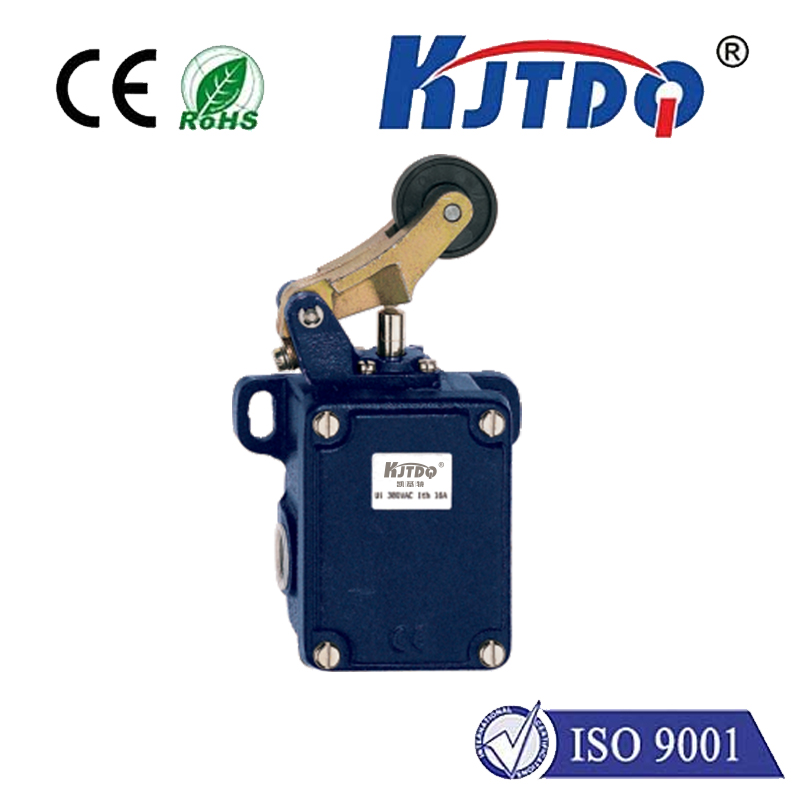
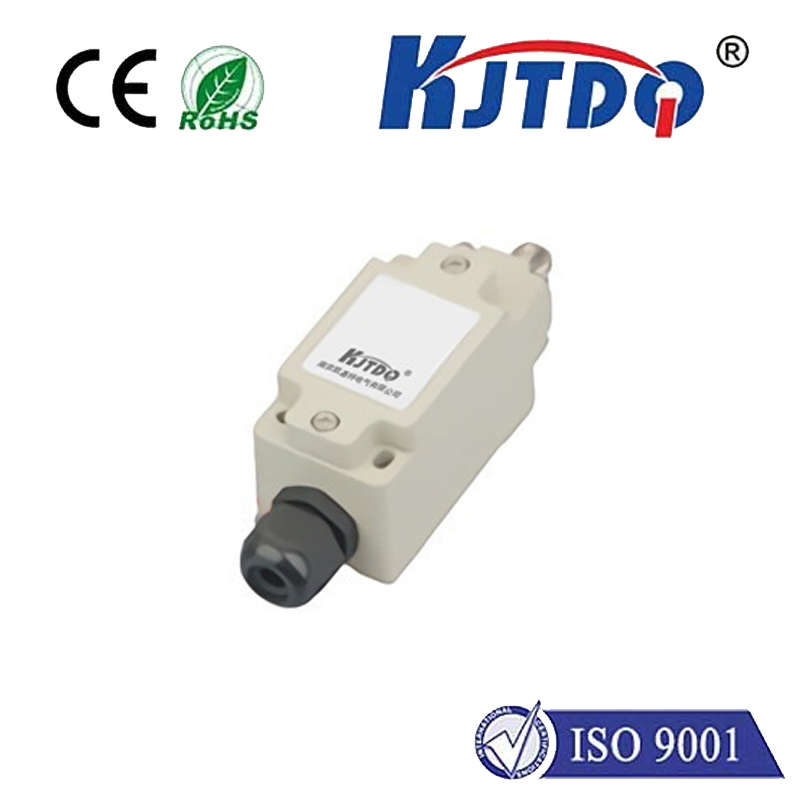
A limit switch, in essence, is an electromechanical device that consists of an actuator mechanically linked to a set of contacts. When an object (often called the target or actuator) makes physical contact with the actuator lever, it triggers the switch to either make or break an electrical connection in a control circuit. The "10A" rating signifies the maximum current the switch's contacts can safely handle. This rating is crucial; using a switch with a lower amperage rating than the circuit demands can lead to overheating, contact welding, and ultimately, switch failure, posing safety risks and causing costly downtime.
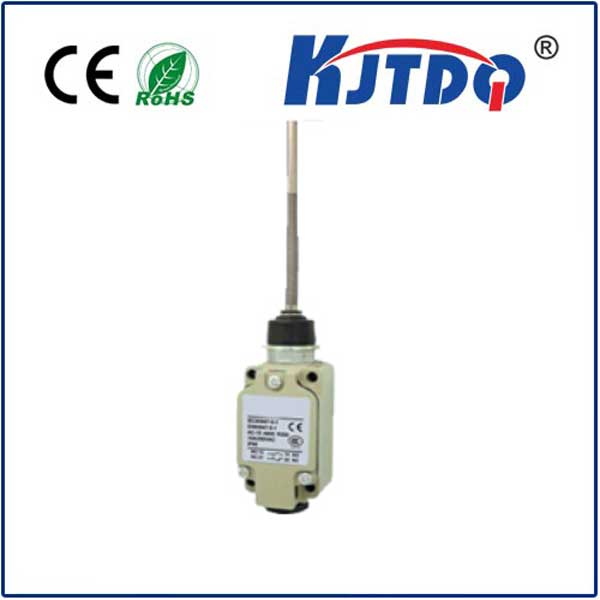
The 10A capacity makes this switch particularly valuable for controlling motors, solenoids, heaters, and lighting circuits in automated systems. Its design prioritizes durability, often featuring a rugged housing made from materials like metal or high-impact thermoplastic to withstand harsh environments involving dust, moisture, oil, and mechanical vibrations. The actuator types vary, including lever arms (with adjustable or fixed lengths), roller levers, push rods, and whisker types, allowing for precise activation based on the specific mechanical motion required.
Why choose a 10A limit switch? The advantages are clear. First and foremost is enhanced safety. By reliably cutting off power or changing the state of a machine at a predetermined point, it prevents over-travel, jamming, or other potentially hazardous conditions. For instance, on a conveyor belt, a limit switch can halt the motor when a package reaches the end of the line. Secondly, it offers precise control and repeatability. These switches provide consistent performance, ensuring machines operate within their designed parameters cycle after cycle, which is vital for quality assurance in manufacturing. Thirdly, they contribute to system longevity. By preventing mechanical overloads and ensuring clean electrical switching within its rated capacity, a quality 10A limit switch protects more expensive components like motor drives and controllers.
Practical applications are vast. You will find 10A limit switches in garage door openers to reverse direction when the door hits the floor or ceiling. They are integral to CNC machines, defining the travel limits of cutting tools. In packaging machinery, they detect the presence or absence of a product. Elevators use them to ensure the cab aligns perfectly with floor levels. Washdown-duty models are essential in food processing plants where frequent cleaning is necessary.
When selecting a 10A limit switch, several factors must be considered. Electrical Specifications: Ensure the voltage (AC or DC) and the 10A current rating match your control circuit. Environmental Protection: Look for an IP (Ingress Protection) rating suitable for your application's exposure to solids and liquids. Actuator Style: Choose an actuator that will reliably be engaged by the moving part in your system. Contact Configuration: Decide between normally open (NO), normally closed (NC), or changeover contacts based on your circuit logic. Mechanical Life: Rated for millions of operations, this indicates physical durability, which is separate from the electrical contact life under load.
Installation and maintenance are straightforward but require attention. Mount the switch securely to avoid misalignment. Adjust the actuator position carefully so it is engaged positively but not over-stressed. Periodically inspect for physical damage, wear on the actuator, and buildup of contaminants. Testing the electrical continuity with a multimeter can confirm proper operation.
In conclusion, the 10A limit switch is a fundamental, powerful, and reliable workhorse in automation and control. Its ability to safely handle moderate currents while enduring physical demands makes it an indispensable component for engineers and technicians aiming to build safe, efficient, and durable systems. Understanding its specifications and applications empowers you to make informed decisions, ensuring seamless and secure operational control.