Проверка
Проверка
Проверка
Проверка
Проверка
Проверка
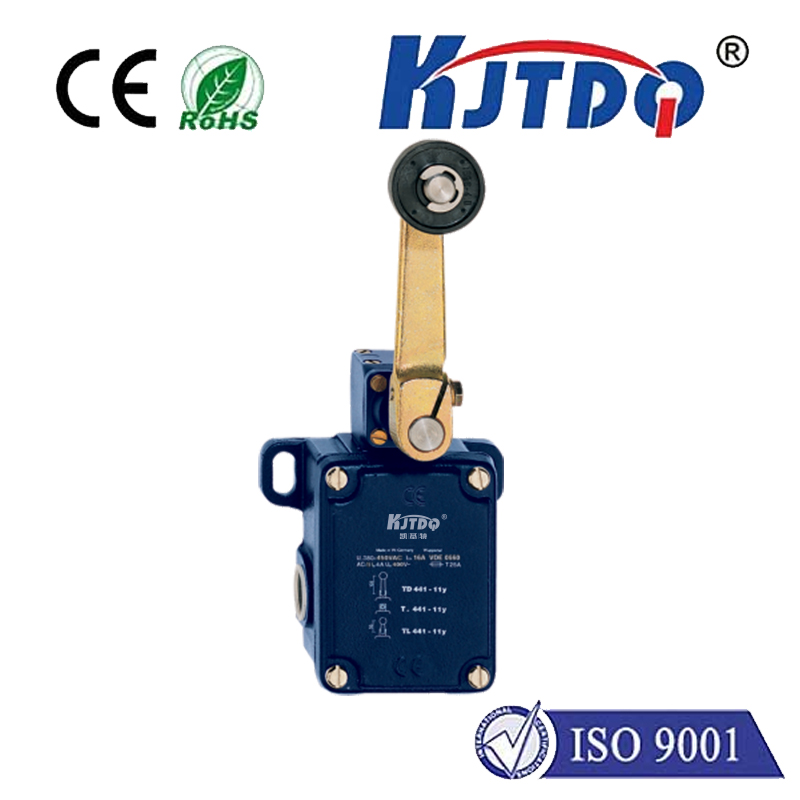
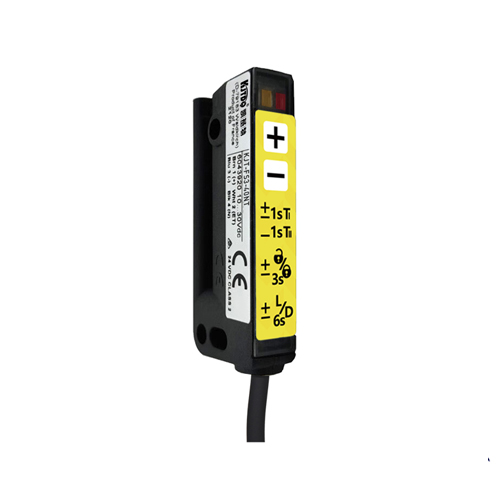
In the complex world of industrial automation and process control, precision and safety are non-negotiable. Among the myriad of components that ensure these standards are met, the high low limit switch stands as a critical guardian. This device, often operating behind the scenes, plays a pivotal role in monitoring and controlling parameters to prevent equipment damage, ensure product quality, and, most importantly, protect personnel. The KJTDQ series of high low limit switches represents a significant advancement in this field, offering robust reliability and intelligent functionality tailored for demanding environments.
At its core, a high low limit switch is a sensor or control device designed to detect when a measured variable—such as temperature, pressure, level, or flow—exceeds a predefined high limit or falls below a set low limit. When these thresholds are breached, the switch triggers an action. This action is typically to shut down a process, activate an alarm, or initiate a corrective procedure. For instance, in a chemical reactor, a high-temperature limit switch can prevent dangerous overheating, while a low-level switch in a fuel tank can avert pump cavitation and system failure. The fundamental purpose is to maintain operational parameters within a safe and optimal window, a concept known as fail-safe operation.
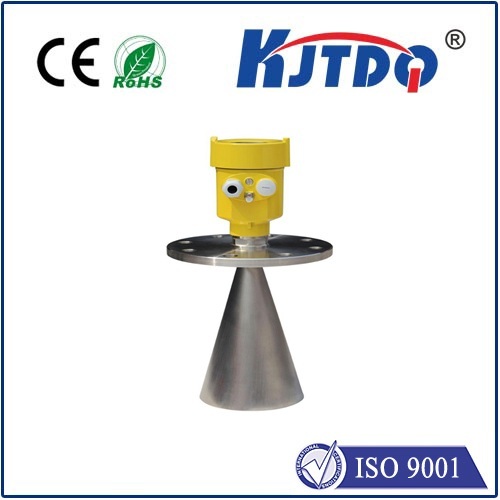
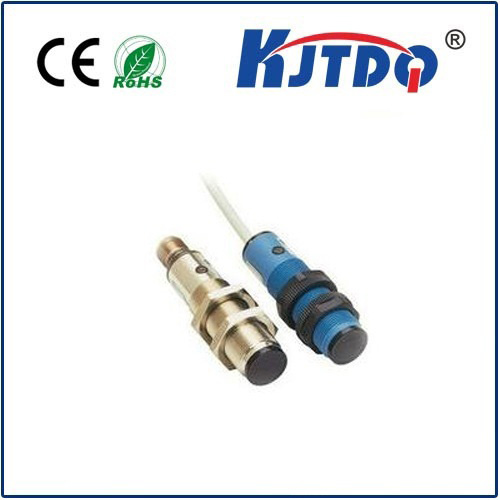
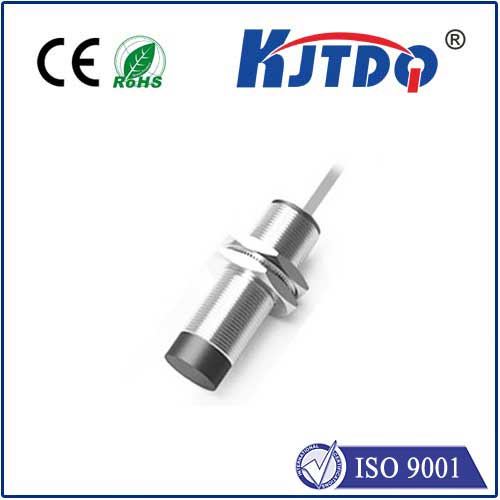
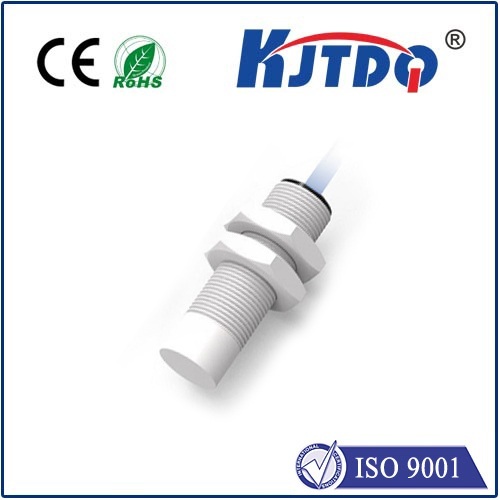
The KJTDQ series elevates this basic principle with modern engineering. These switches are designed for durability in harsh conditions, featuring enclosures rated for dust and moisture ingress, corrosion-resistant materials, and wide operating temperature ranges. This makes them suitable for industries like oil and gas, water treatment, pharmaceuticals, and food processing, where environmental challenges are constant. Beyond physical robustness, the KJTDQ switches often incorporate smart features. These may include adjustable set points for flexibility, dual independent switches for high and low limits in a single unit, and clear visual indicators for status at a glance. Some advanced models offer digital communication capabilities, allowing for integration into broader Industrial Internet of Things (IIoT) networks for centralized monitoring and data logging.
The installation and application of these switches are vast. Consider a HVAC system in a large commercial building. KJTDQ pressure switches can monitor refrigerant levels, preventing compressor damage from low pressure or system rupture from excessive pressure. In manufacturing, they can control the fill level in automated bottling lines, ensuring each container has the correct volume. Within power generation, they safeguard turbines by monitoring lube oil pressure. The common thread is the prevention of deviation from normal operation, which directly correlates to reduced downtime, lower maintenance costs, and enhanced operational safety.
Selecting the right high low limit switch requires careful consideration. Key factors include the type of process variable being measured, the required accuracy and repeatability of the set points, the response time needed, and the environmental conditions of the installation site. The KJTDQ range typically offers various models with different sensing technologies—mechanical, electronic, or pneumatic—to match specific application needs. Proper calibration and regular testing are also crucial to ensure the switch functions correctly when called upon. A well-maintained limit switch is a reliable sentinel.
In conclusion, the high low limit switch is an indispensable component in the safety and efficiency architecture of modern industry. The KJTDQ series exemplifies how this essential device has evolved, combining proven protective functions with the durability and intelligence required for today's automated systems. By reliably enforcing operational boundaries, these switches not only protect valuable assets but also contribute significantly to the seamless, safe, and cost-effective running of critical processes. Their role, though often unnoticed, is fundamental to industrial stability and progress.