Проверка
Проверка
Проверка
Проверка
Проверка
Проверка
In industrial settings where explosive atmospheres are present, safety is not just a priority—it is an absolute necessity. The presence of flammable gases, vapors, or combustible dusts demands equipment that can operate reliably without becoming a source of ignition. This is where the specialized limit switch with ATEX certification becomes a critical component. The ATEX directive, a cornerstone of European Union legislation, sets the essential health and safety requirements for equipment intended for use in potentially explosive atmospheres. A limit switch designed and certified to meet these stringent standards is engineered to prevent the release of sufficient energy to trigger an explosion, thereby safeguarding personnel, processes, and facilities.
The fundamental role of a limit switch is to detect the presence or absence of an object, or to monitor the position of a machine part. In standard environments, this is a straightforward function. However, within a zone classified as hazardous due to explosive atmospheres, the same simple switch must be constructed as a meticulously sealed unit. An ATEX-certified limit switch is built with robust enclosures that contain any potential internal sparks or excessive heat. The materials used are often non-sparking, and the design ensures that the operating temperature of the switch remains below the ignition temperature of the surrounding gas or dust. This intrinsic safety design philosophy is paramount. It means that even in the event of a rare internal fault, the switch's construction prevents a hazardous condition from escaping its housing.
Selecting the correct ATEX limit switch involves understanding the specific zone classification of the installation area. The ATEX system divides hazardous areas into zones based on the frequency and duration of the explosive atmosphere. For instance, Zone 1 indicates a high probability of explosive gases being present during normal operation, while Zone 21 relates to areas where combustible dust clouds are likely. A switch certified for Zone 1 offers a higher level of protection than one rated for Zone 2. Therefore, engineers and procurement specialists must meticulously match the equipment's ATEX marking (e.g., II 2G Ex e IIC T6) with the site's hazard classification. Using an under-specified switch can have catastrophic consequences, while over-specification may lead to unnecessary cost.
The applications for these specialized switches are vast and vital across numerous industries. In oil and gas refineries, ATEX limit switches are deployed on valve actuators, tank level indicators, and access doors on processing units. Within chemical and pharmaceutical plants, they monitor the position of mixers, reactor vessel lids, and conveyor systems handling powdered ingredients. Grain silos and flour mills, where combustible dust is a constant threat, rely on these switches for bin level detection and equipment sequencing. In each case, the switch provides the essential position feedback required for automated control systems, but does so with an inherent safety guarantee that standard switches cannot provide.
Beyond the initial certification, the reliability and longevity of an ATEX limit switch are tested by harsh conditions. They are typically designed to resist corrosion from chemicals, ingress from dust and water (often rated IP67 or higher), and mechanical impacts. Regular maintenance and inspection are crucial, but the design intent is to provide a durable, "fit-and-forget" component that performs consistently over long periods. This durability translates into reduced downtime and lower total cost of ownership, despite a higher initial investment compared to standard switches. The cost of failure—both in human and financial terms—makes this investment not only prudent but mandatory for compliant operations.
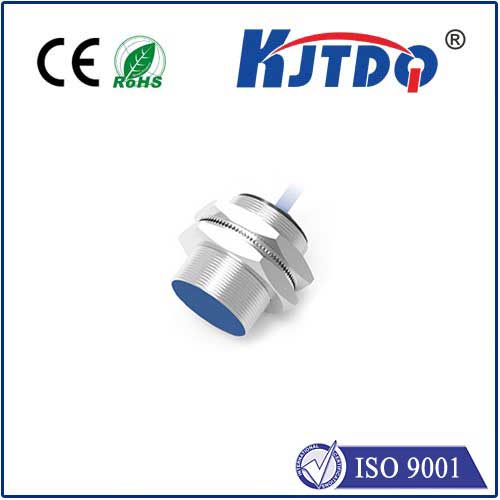
In conclusion, integrating an ATEX-certified limit switch is a non-negotiable aspect of engineering for safety in hazardous locations. It represents a proactive commitment to operational integrity and regulatory compliance. The KJTDQ designation signifies a product line that meets these rigorous demands, offering engineers a reliable solution for critical position sensing. By choosing the appropriately certified switch for the specific hazardous zone, industries can achieve their production goals while upholding the highest standards of safety, ensuring that simple mechanical functions do not compromise the complex safety ecosystem of a modern industrial plant.