Проверка
Проверка
Проверка
Проверка
Проверка
Проверка
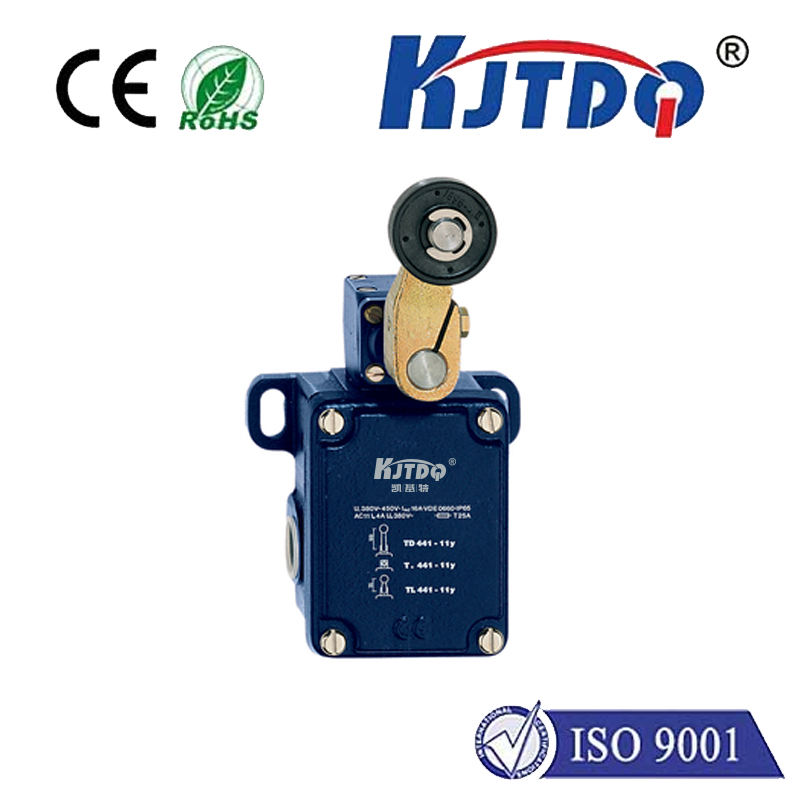
In the intricate world of industrial automation and machinery, precision and reliability are non-negotiable. Among the myriad components that ensure seamless operation, the spring loaded limit switch stands out as a critical device for position detection and motion control. This versatile component, often referred to as a snap-action limit switch, is engineered to provide accurate, repeatable signaling when a machine part reaches a predetermined point in its travel.
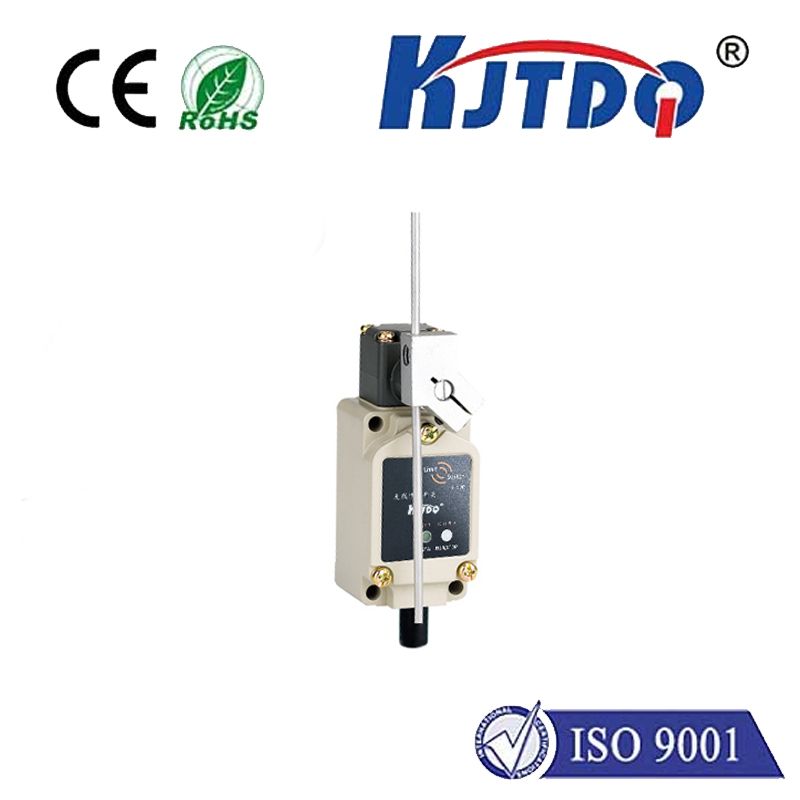
The fundamental design of a spring loaded limit switch incorporates a precision spring mechanism. This spring is compressed or tensioned by an actuator—such as a plunger, roller lever, or whisker—when it comes into contact with a moving object or target. Once a specific force or travel distance is achieved, the internal spring rapidly "snaps" the electrical contacts from one state to another (e.g., from open to closed or vice versa). This swift, positive action minimizes electrical arcing, enhances contact life, and delivers a clear, unambiguous signal to the control system. This characteristic is crucial for applications demanding high repeatability and where bounce or slow operation is unacceptable.
The applications for spring loaded limit switches are vast and varied. They are indispensable in manufacturing assembly lines, where they precisely control the stroke of pneumatic or hydraulic cylinders, signal the end of travel for robotic arms, or confirm the position of conveyor gates. In packaging machinery, they ensure cartons or products are correctly positioned for sealing or labeling. Within the automotive industry, these switches are deployed in welding robots, press brakes, and automated guided vehicles (AGVs) for safe and accurate positioning. Their robust construction also makes them suitable for harsh environments, including those with dust, moisture, or vibration, often found in material handling, woodworking, and metal fabrication.
Selecting the right spring loaded limit switch requires careful consideration of several operational parameters. The operating force—the force needed to trip the switch—and the pretravel—the distance the actuator moves before switching—are key specifications that must match the mechanical motion of the application. Environmental factors dictate the required ingress protection (IP) rating; a higher IP rating like IP67 ensures resistance to dust and temporary immersion, which is vital for washdown areas in food processing. Electrical ratings, including voltage, current (both AC and DC), and contact configuration (normally open, normally closed, or changeover), must be compatible with the control circuit. Additionally, the choice of actuator type (roller plunger for linear motion, roller lever for cam applications) directly impacts reliability and mounting flexibility.
The primary advantage of utilizing a spring loaded mechanism is its consistent performance over millions of cycles. The snap-action design ensures contacts open and close quickly, regardless of the speed at which the actuator is moved. This provides immunity to shock and vibration, preventing false signals that could lead to machine malfunctions or safety hazards. Compared to slow-action or mercury switches, the spring loaded design offers superior durability and a clearly defined actuation point, which is essential for programming logic controllers (PLCs) and safety interlock systems.
For optimal performance and longevity, proper installation and routine maintenance are paramount. The switch should be mounted securely to avoid misalignment, and the actuator must engage the target machine part correctly to avoid over-travel, which can damage the mechanism. Regular inspection for physical damage, wear on the actuator, and testing of the electrical signal can prevent unexpected downtime. In high-cycle applications, consulting the manufacturer’s datasheet for expected mechanical and electrical life is recommended for proactive replacement scheduling.
In conclusion, the spring loaded limit switch remains a cornerstone of modern industrial control systems. Its simple yet highly effective design provides the dependable, precise feedback necessary for automated processes to run safely and efficiently. By understanding its operating principles, key selection criteria, and maintenance needs, engineers and technicians can leverage this component to enhance machine performance, improve product quality, and ensure operational safety across countless industries.