In the world of industrial automation, precision and reliability are non-negotiable. The KT11-50/25/103/115 photoelectric switch stands as a testament to this principle, offering a robust solution for countless sensing applications. This comprehensive guide delves into the features, applications, and technical nuances of this versatile sensor, explaining why it remains a preferred choice for engineers and system integrators globally.
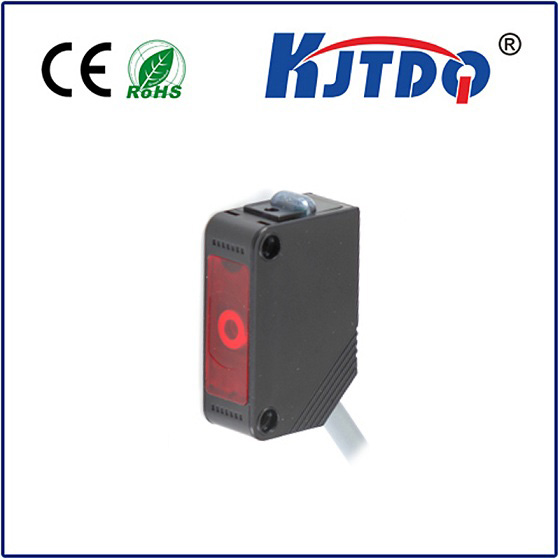
At its core, the KT11-50/25/103/115 is a through-beam photoelectric sensor. This model designation typically encodes its key specifications: a sensing distance, often 50 meters for the emitter-receiver pair, a 25mm diameter housing, and specific electrical characteristics denoted by 103 and 115, commonly relating to output configuration (like NPN or PNP) and supply voltage range. The through-beam design, consisting of separate emitter and receiver units, is renowned for its long-range detection capability and high immunity to environmental interference like dust, steam, or target surface color and reflectivity. When the light beam between the two units is interrupted by an object, the receiver triggers a precise switching signal.
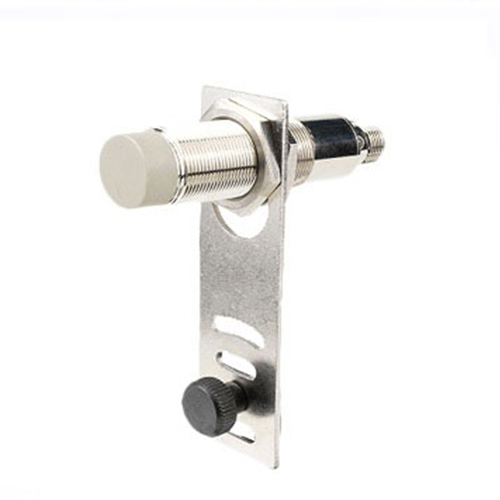
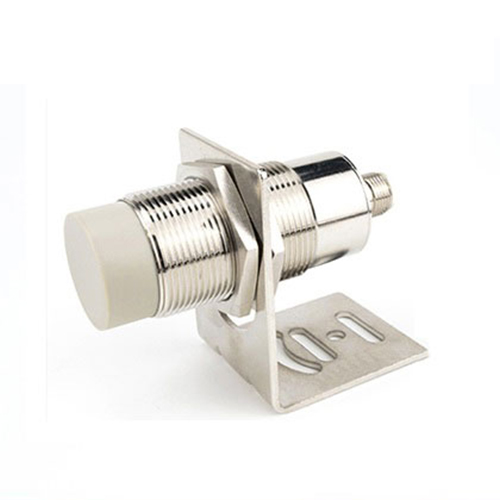
The construction of the KT11 series is engineered for harsh industrial environments. The housing is typically made of rugged, nickel-plated brass or high-grade plastic, offering excellent resistance to corrosion, impacts, and vibrations. Many variants feature an IP67 protection rating, making them dust-tight and capable of withstanding temporary immersion in water. This durability ensures consistent operation in settings ranging from automated packaging lines and material handling systems to outdoor logistics and automotive assembly plants.
Electrical integration is straightforward. The "103" and "115" codes often specify a DC three-wire configuration with complementary NPN (sinking) and PNP (sourcing) transistor outputs. This dual option provides flexibility for interfacing with different types of programmable logic controllers (PLCs) and control systems. The switching output is fast and stable, capable of handling a wide range of loads, from indicator lights to relays. A clear LED status indicator provides instant visual feedback on power and output state, simplifying installation and troubleshooting.
Application scenarios for the KT11-50/25/103/115 are vast. It is exceptionally effective for object detection on high-speed conveyor belts, where its long range and precise beam allow for accurate counting, positioning, or break detection. In warehouse automation, it secures gate and door control, ensuring safety by detecting the presence of personnel or vehicles. The sensor is also pivotal in palletizing systems, verifying the presence of packages before robotic arms engage. Its insensitivity to surface properties makes it ideal for detecting transparent objects like glass bottles or plastic films, a task where other sensor types often fail.
Selecting and installing the KT11 sensor requires attention to detail. Ensuring proper alignment between the emitter and receiver is critical for optimal performance. Mounting brackets should be secure to prevent misalignment from machinery vibration. For very long-range applications or in environments with significant ambient light, choosing a model with a modulated infrared LED light source is essential. This modulation allows the receiver to distinguish the sensor's signal from background light, drastically improving reliability. Regular maintenance involves simply keeping the lenses clean from dirt or grime buildup that could attenuate the light beam.
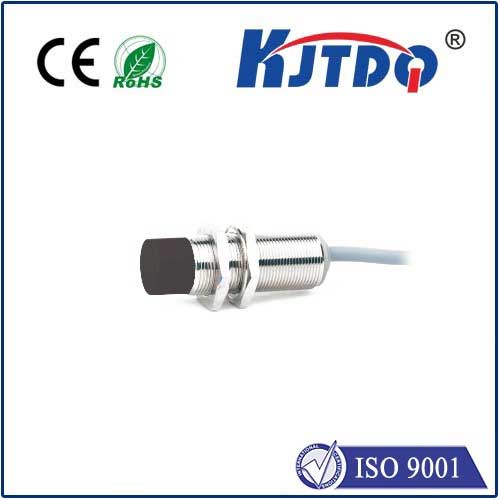
When compared to other sensing technologies like inductive or capacitive proximity sensors, the KT11 photoelectric switch offers distinct advantages where non-contact detection over a distance is required. Unlike inductive sensors that only detect metals, photoelectric switches can detect virtually any material. Their response time is also typically faster, suitable for high-speed production lines.
In conclusion, the KT11-50/25/103/115 photoelectric switch embodies a perfect blend of ruggedness, precision, and versatility. Its clear model coding, robust construction, and reliable performance under challenging conditions make it a fundamental component in modern industrial automation. By understanding its specifications and ideal application environments, engineers can leverage this sensor to enhance system efficiency, safety, and reliability, ensuring smooth and uninterrupted operations across diverse industries. For any project demanding accurate long-range object detection, this sensor provides a proven and dependable solution.