In industrial automation and control systems, the reliability of components is paramount. Among these critical components, the NEMA limit switch stands as a fundamental device for ensuring both operational safety and mechanical precision. Unlike standard switches, a NEMA-rated limit switch is built to withstand harsh environments, including exposure to dust, moisture, oil, and corrosive elements. This durability is defined by the National Electrical Manufacturers Association (NEMA) standards, which specify enclosure types like NEMA 4, 4X, and 13, offering protection against water ingress and hazardous conditions.
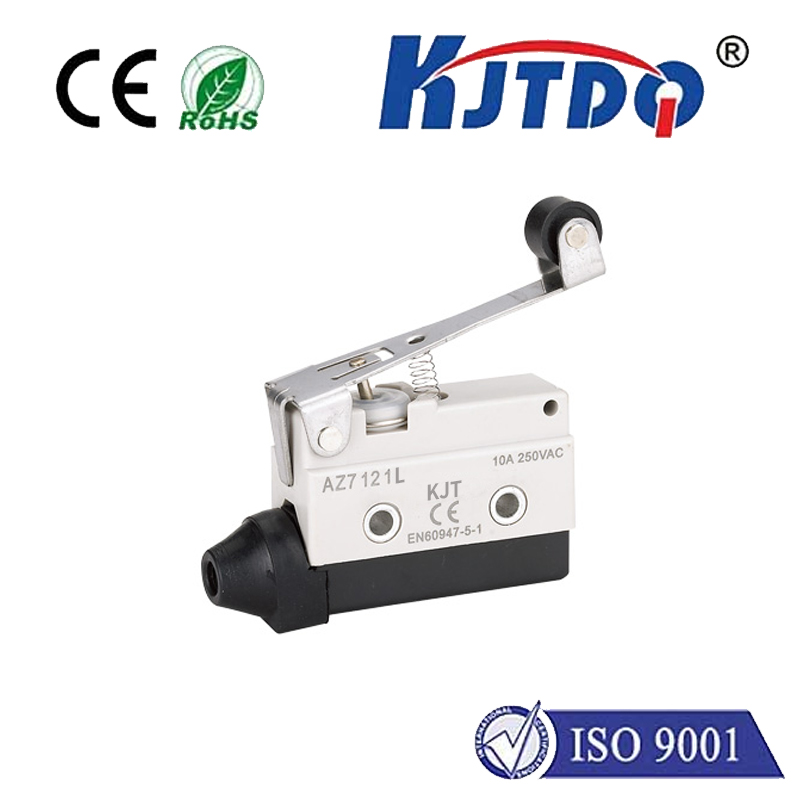
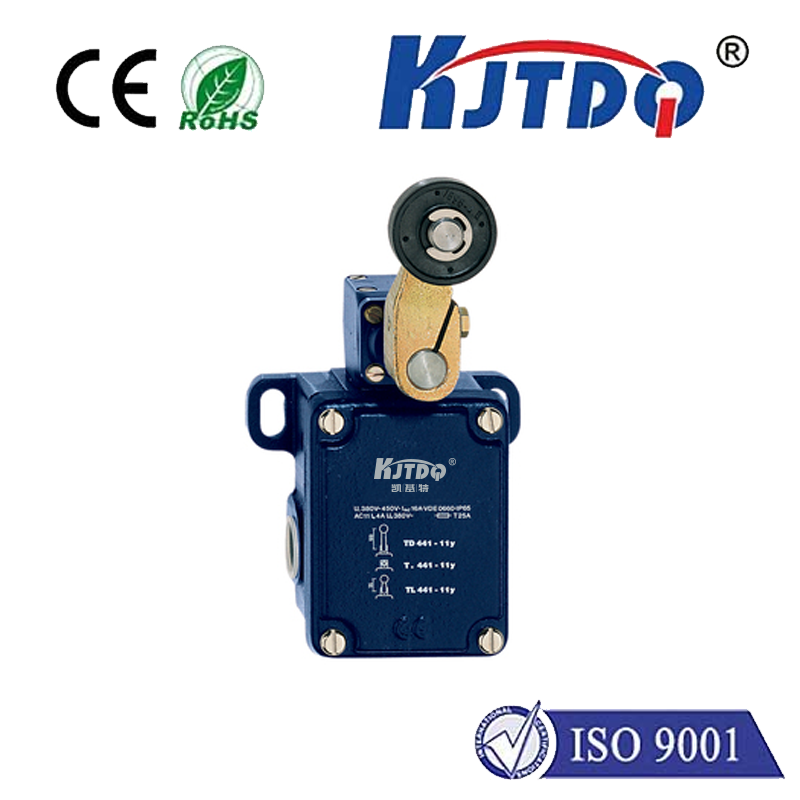
The primary function of a limit switch is to detect the presence or absence of an object or to monitor the limits of mechanical motion. It is typically actuated by physical contact with a moving part, such as a machine door, conveyor belt, or robotic arm. When the actuator is triggered, the switch changes its electrical state, sending a signal to the control system to start, stop, or change a sequence of operations. This simple yet effective mechanism prevents over-travel, enables precise positioning, and acts as a critical safety interlock to protect both machinery and personnel.
When selecting a NEMA limit switch for an application, several factors must be considered. The environmental rating is the first criterion. A NEMA 4X switch, for example, is constructed from corrosion-resistant materials like stainless steel and is sealed against hose-directed water and corrosive agents, making it ideal for food processing or chemical plants. The actuator type—whether lever, roller plunger, or wobble stick—must be chosen based on the direction and force of the machine contact. Electrical ratings, including voltage, current, and contact configuration (normally open or normally closed), must match the control circuit requirements. Mechanical life, often in the millions of cycles, is another key specification for high-duty applications.
The advantages of implementing robust NEMA limit switches are extensive. They enhance safety by reliably halting machinery when guards are open or when a component reaches its travel limit, directly reducing the risk of accidents. They improve efficiency by automating repetitive positioning tasks, minimizing manual intervention, and reducing downtime caused by mechanical failures. Their rugged construction leads to lower long-term maintenance costs and fewer replacements, even in demanding settings like mining, material handling, or outdoor applications.
Installation and maintenance are straightforward but require attention to detail. The switch must be securely mounted in a location where the actuator will be consistently and accurately engaged by the moving part. Wiring should comply with all local electrical codes, and connections must be tight to prevent signal loss. Regular maintenance involves inspecting the switch body for physical damage, checking the seal integrity, testing the actuator movement for smooth operation, and verifying the electrical signal output. Keeping the actuator and contact point clean from debris ensures consistent performance.
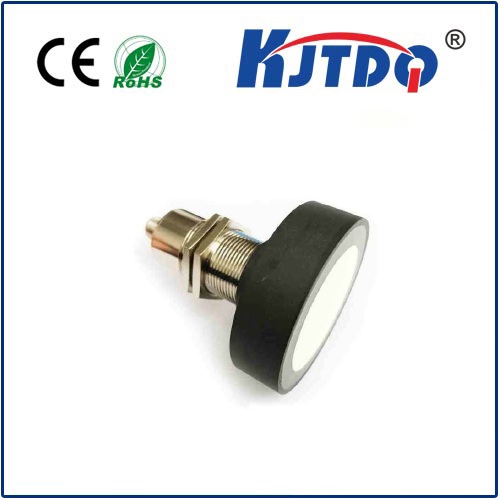
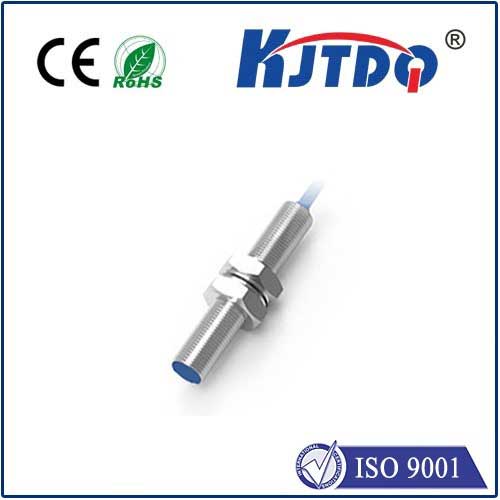
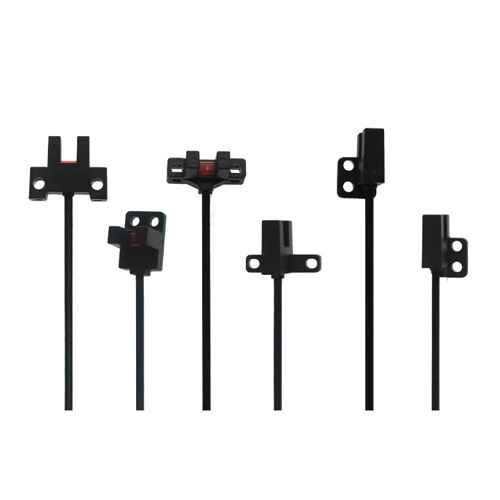
In modern industrial setups, these devices often integrate with programmable logic controllers (PLCs) and sensor networks, forming a cohesive safety and control system. While non-contact sensors like proximity switches or photoelectric sensors offer alternatives for detection, the physical reliability and definitive state change of a mechanical limit switch remain irreplaceable for many critical limit detection and safety confirmation tasks.
From automated assembly lines to heavy-duty crane systems, the NEMA limit switch continues to be a cornerstone of industrial control. Its proven design, governed by rigorous standards, provides engineers with a trusted solution to enforce boundaries, automate processes, and safeguard operations. Selecting the correct switch for the specific environmental and operational demands is a crucial step in designing a resilient, efficient, and safe automated system.