Проверка
Проверка
Проверка
Проверка
Проверка
Проверка
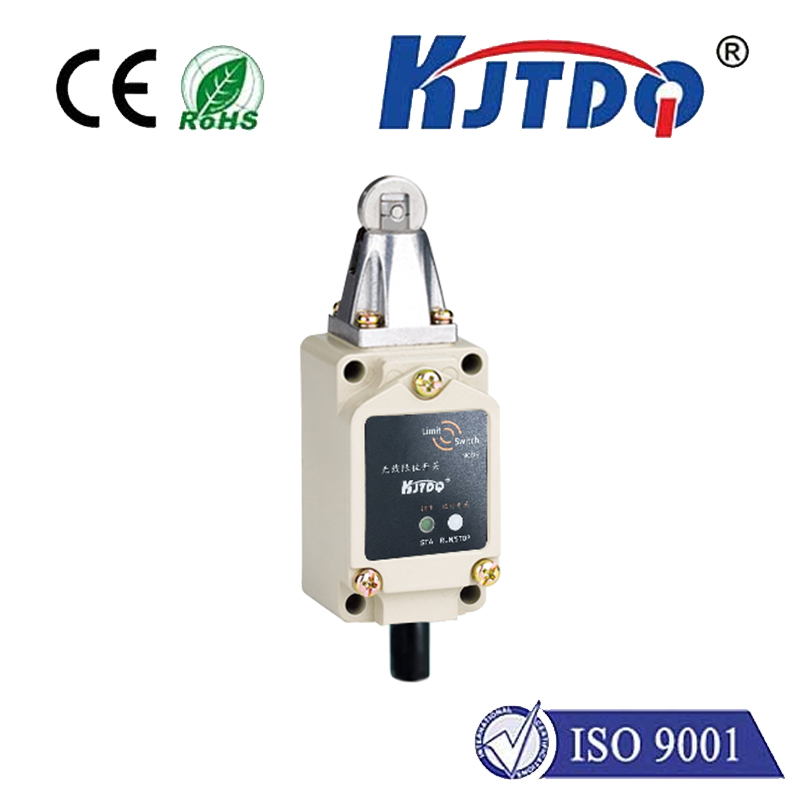
In the dynamic landscape of industrial automation, precision and reliability are paramount. Among the myriad components that ensure seamless operations, the adjustable limit switch stands out as a critical device for controlling machinery movement and enhancing safety. This versatile tool allows operators to set specific points where a machine should start, stop, or change direction, thereby preventing overtravel, collisions, and potential damage. Its adaptability makes it indispensable across various sectors, from manufacturing and packaging to robotics and conveyor systems.
The core functionality of an adjustable limit switch lies in its ability to be finely tuned to meet exact operational requirements. Unlike fixed switches, which offer limited flexibility, adjustable models enable easy calibration without the need for complex tools or extensive downtime. This feature is particularly valuable in environments where production lines frequently undergo changes or where different products require distinct handling parameters. By simply adjusting a knob, lever, or screw, technicians can modify the activation point, ensuring optimal performance and reducing wear on mechanical parts. This not only boosts efficiency but also extends the lifespan of equipment, leading to significant cost savings over time.
Safety is another crucial aspect where adjustable limit switches excel. In heavy machinery or automated processes, unintended movements can pose serious risks to personnel and assets. These switches act as fail-safe mechanisms, halting operations when predefined limits are reached. For instance, in crane systems or elevators, they prevent over-hoisting or lowering beyond safe levels. The adjustability factor allows for quick reconfiguration in response to new safety protocols or regulatory standards, making compliance straightforward and reliable. Moreover, many modern adjustable limit switches come with robust enclosures rated for harsh conditions, such as dust, moisture, or extreme temperatures, ensuring consistent performance even in challenging industrial settings.
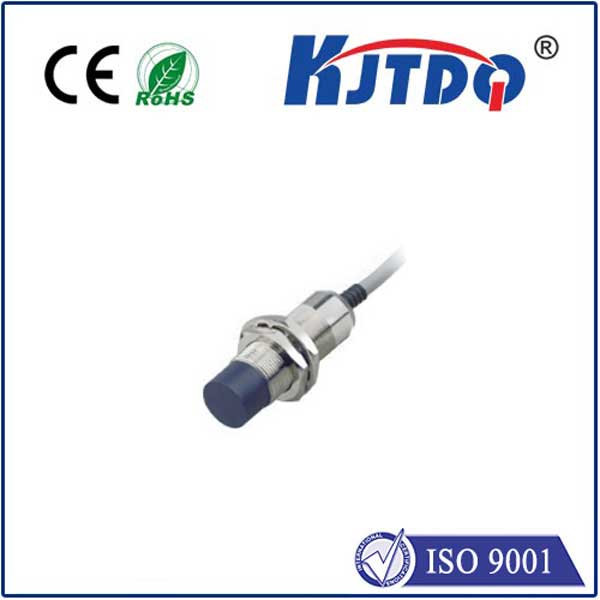
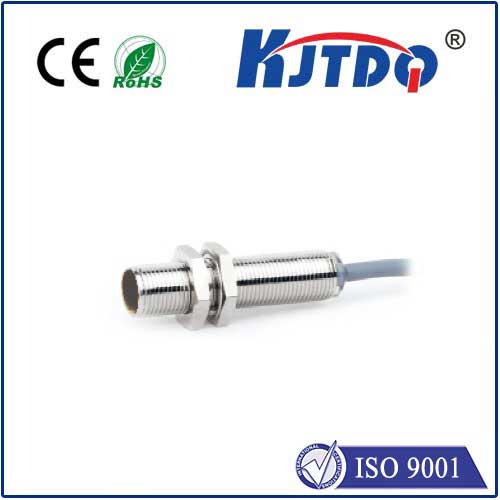
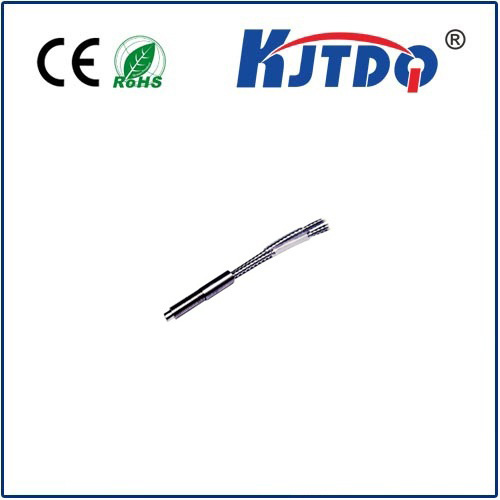
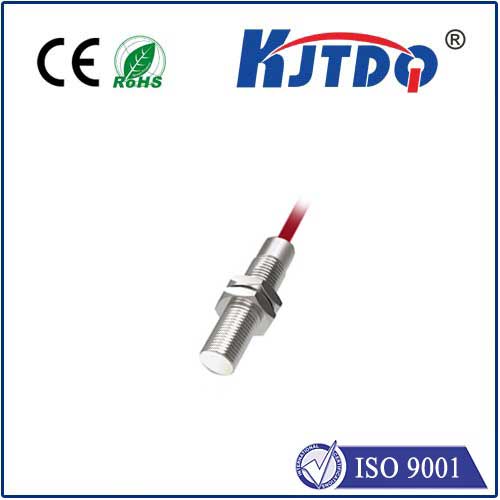
Integration with digital control systems has further elevated the role of adjustable limit switches. Today's models often feature electronic sensors or proximity capabilities, enabling seamless communication with programmable logic controllers (PLCs) and other automation hardware. This connectivity facilitates real-time monitoring and data collection, allowing for predictive maintenance and smarter decision-making. Operators can receive alerts when adjustments are needed or when performance deviates from norms, minimizing unplanned stoppages and enhancing overall productivity. The combination of mechanical durability and smart technology makes these switches a cornerstone of Industry 4.0 initiatives, where adaptability and data-driven insights are key.
When selecting an adjustable limit switch, factors like accuracy, repeatability, and environmental resistance should be prioritized. High-quality switches offer precise calibration with minimal drift over time, ensuring consistent operation across countless cycles. Additionally, ease of installation and maintenance can reduce labor costs and improve uptime. As industries continue to evolve toward greater automation and efficiency, the demand for reliable, adjustable limit switches is set to grow. By investing in advanced models, businesses can achieve finer control, enhanced safety, and a competitive edge in today's fast-paced market.
In summary, the adjustable limit switch is more than just a simple component; it is a vital enabler of precision and protection in automated systems. Its ability to be tailored to specific needs, coupled with robust safety features and modern integrations, makes it an essential tool for any operation seeking to optimize performance and safeguard resources. As technology advances, these switches will undoubtedly continue to play a pivotal role in shaping the future of industrial automation.