Проверка
Проверка
Проверка
Проверка
Проверка
Проверка
In the realm of automation and motion control, the integration of a stepper motor with a limit switch represents a critical advancement for ensuring operational precision and safety. This combination is widely utilized across various industries, including robotics, CNC machinery, 3D printing, and medical devices, where accurate positioning and reliable endpoint detection are paramount. A stepper motor operates by converting electrical pulses into discrete mechanical movements, allowing for precise control over rotation angles and speed without the need for feedback sensors under normal conditions. However, to prevent overtravel, mechanical damage, or system failures, incorporating a limit switch becomes essential.
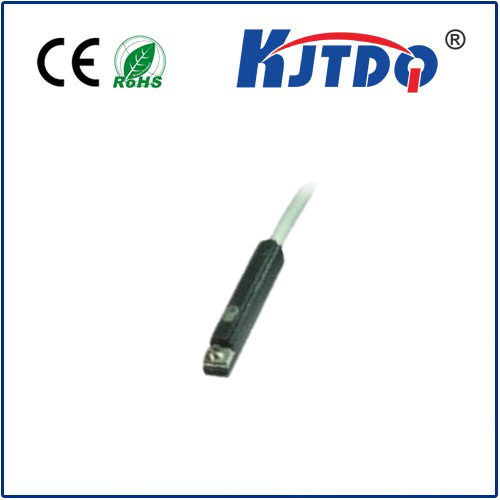
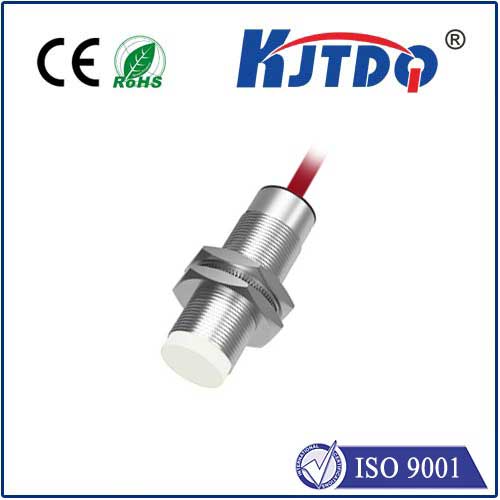
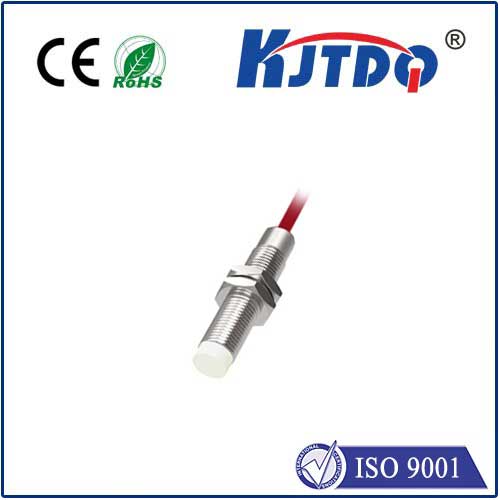
A limit switch is an electromechanical device that detects the presence or absence of an object, or monitors the boundaries of motion. When paired with a stepper motor, it serves as a safeguard by signaling the control system to halt or reverse the motor once a predefined limit is reached. This setup not only enhances safety by preventing collisions and excessive strain on components but also improves repeatability in automated processes. For instance, in a conveyor system, limit switches can define the start and end points of movement, ensuring products are accurately positioned for packaging or assembly. Similarly, in robotic arms, they help maintain precise trajectories, reducing errors in repetitive tasks.
The synergy between a stepper motor and limit switch offers several key benefits. Firstly, it increases system reliability by providing a fail-safe mechanism that operates independently of software controls, which can be prone to glitches or programming errors. In high-stakes environments like medical imaging equipment or aerospace applications, this hardware-based protection is crucial for preventing costly downtime or hazardous situations. Secondly, it extends the lifespan of the motor and mechanical parts by avoiding overloading or jamming, thus reducing maintenance needs and operational costs. Thirdly, it simplifies calibration processes, as limit switches provide physical reference points that can be used to reset positions accurately after power cycles or interruptions.
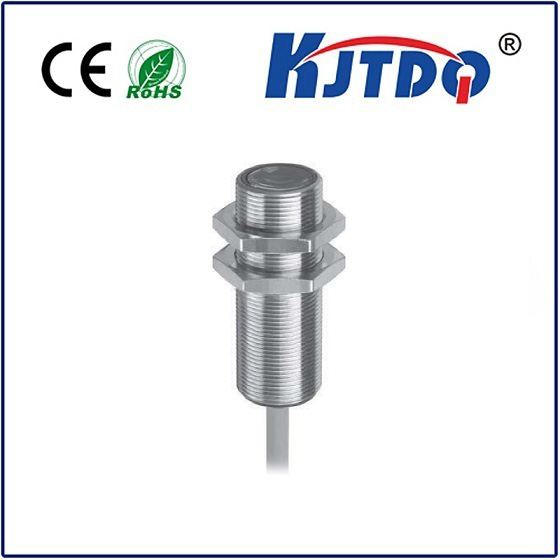
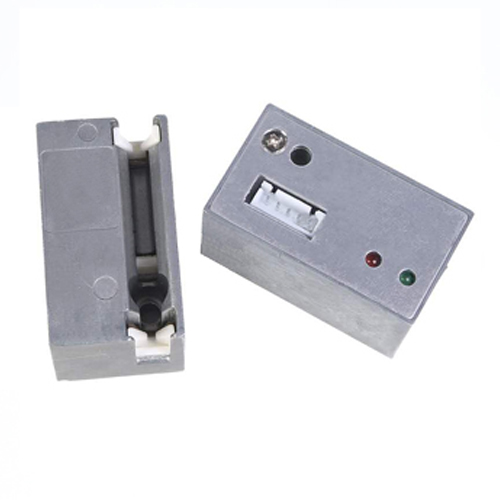
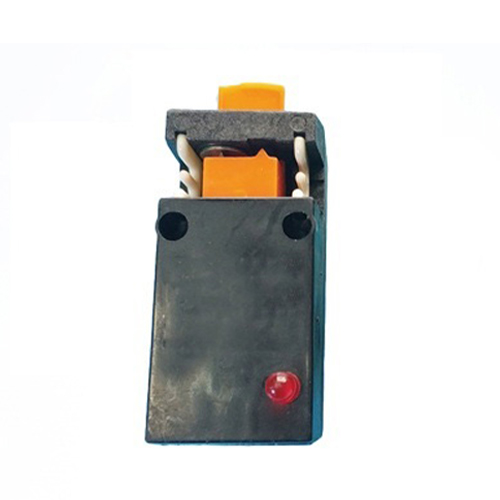
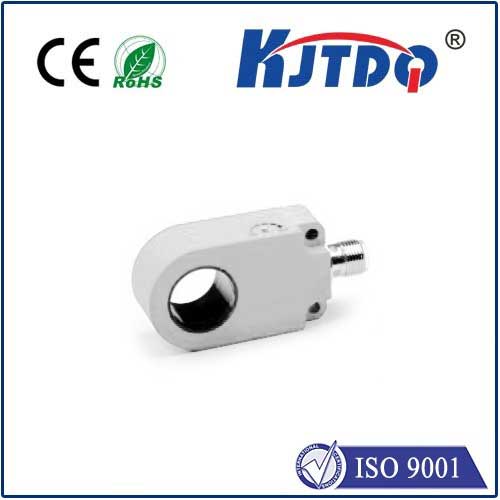
When selecting a stepper motor with a limit switch, engineers must consider factors such as torque requirements, step resolution, switch type (e.g., mechanical, proximity, or optical), and environmental conditions like temperature or dust. For example, in harsh industrial settings, sealed limit switches may be necessary to withstand moisture and contaminants. Proper installation and alignment are also vital to ensure the switch triggers at the exact desired location, minimizing positional errors. Many modern systems integrate microcontrollers or PLCs to manage the interaction seamlessly, allowing for customizable logic, such as pausing, reversing, or initiating secondary actions upon limit detection.
In practice, applications range from simple home automation projects, like automated window blinds that stop at fully open or closed positions, to complex manufacturing lines where multiple axes of motion require coordinated limits. The adaptability of this combination makes it a cornerstone of Industry 4.0, supporting smart factories with enhanced precision and safety protocols. As technology evolves, innovations like wireless limit switches or integrated sensor-based motors are emerging, offering even greater flexibility and efficiency.
Ultimately, the use of a stepper motor with a limit switch is a testament to the importance of robust design in automation. By marrying precise motion control with reliable boundary detection, this duo empowers systems to operate more intelligently and safely, driving productivity and innovation across sectors. Whether in prototyping, production, or daily operations, it remains a fundamental solution for achieving consistent, error-free performance.